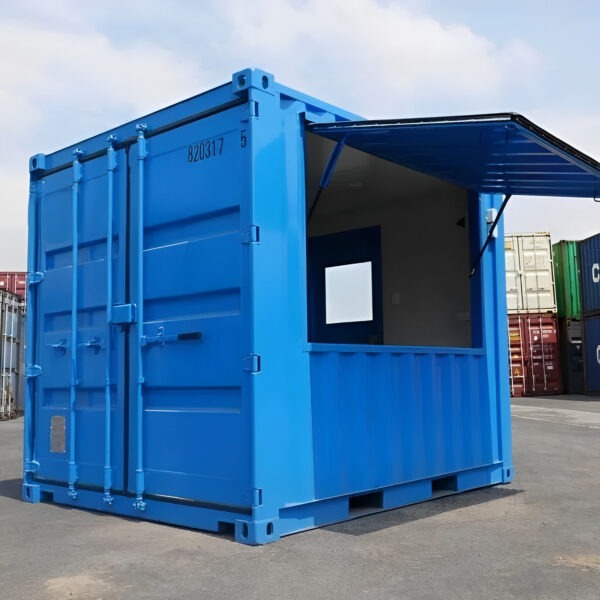
The Ultimate Guide to Buying a 10‑ft Shipping Container (And Why It Might Be Your Best Move Yet)
If you’ve ever scrolled through endless listings of “20‑ft containers for sale” and felt a little overwhelmed, you’re not alone. The world of shipping containers is massive—literally and figuratively. But what if you don’t need the whole 20‑ft or 40‑ft behemoth? What if a compact, 10‑ft container is exactly what you’re after?
In this friendly, step‑by‑step guide we’ll walk you through everything you need to know about 10‑ft shipping containers for sale, from the basics of size and construction to where to buy, how to price‑compare, and what you can actually do with a container that small. By the end of the article you’ll feel confident enough to pick the perfect unit for your project, budget, and space constraints.
1. Quick‑Look Summary
| Feature | Typical Specs | Why It Matters to You |
|---|---|---|
| External dimensions | 10 ft (L) × 8 ft (W) × 8.5 ft (H) | Fits tight spaces—ideal for garages, backyards, or small lot corners. |
| Internal volume | ~500 cu ft (≈ 14 m³) | Enough room for a tiny workshop, mobile office, or secure storage. |
| Weight (empty) | 1,800–2,200 lb (≈ 820–1,000 kg) | Handles well with most standard pickup trucks and trailer rigs. |
| Material | 1.6 mm Corten steel (standard) | Rust‑resistant, durable, low‑maintenance. |
| Typical price (new) | $2,300–$3,500 | Affordable entry point compared to larger containers. |
| Typical price (used) | $1,200–$2,200 | Great value if you’re on a tighter budget. |
Bottom line: A 10‑ft container offers the sweet spot between size, cost, and versatility. It’s small enough to maneuver, yet big enough to become a functional space.
2. Why a 10‑ft Container Might Be Your Best Fit
You might be thinking, “Why not just grab a 20‑ft unit? It’s cheaper per square foot.” That’s a valid point, but here are the top reasons a 10‑ft container can actually save you money, time, and headaches:
- Space‑Savvy – Many urban properties, backyard plots, and small commercial lots simply don’t have the clearance for a 20‑ft box. A 10‑ft container can slip into tighter corners, even between two parked cars.
- Lower Transport Costs – Because it weighs less and is shorter, you typically pay less for trucking, rail, or shipping. Some local vendors even allow you to pick it up with a midsize pickup.
- Easier DIY Modification – Cutting doors, windows, or adding insulation is less labor‑intensive on a smaller steel shell. If you’re a weekend DIYer, you’ll thank yourself.
- Quick Turn‑Around – When you need a pop‑up office for a construction site or a temporary storage unit for a seasonal business, the smaller footprint means you can set it up (and tear it down) faster.
- Lower Operating Costs – If you plan to climate‑control the interior, you’ll need less heating or cooling power—saving electricity and reducing your carbon footprint.
3. Common Uses for a 10‑ft Shipping Container
Below is a handy list of popular applications that people have turned a 10‑ft container into. Feel free to get creative; the container is essentially a blank canvas.
- Mini workshop – Install a workbench, tool rack, and a small ventilation fan.
- Mobile office – Add a desk, power outlets, and a few windows for natural light.
- Secure storage – Ideal for outdoor equipment, seasonal inventory, or a personal safekeeping vault.
- Pop‑up retail kiosk – Outfit with shelving, signage, and a small checkout counter.
- Garden greenhouse – Replace one side with clear polycarbonate panels for year‑round growing.
- Pet shelter – Reinforce the floor, install ventilation, and you have a weather‑proof doghouse.
- Tiny home starter – While 10 ft isn’t enough for a full‑time residence, it can serve as a sleeping loft or a modular addition to an existing tiny house.
4. Where to Find 10‑ft Shipping Containers for Sale
Finding the right vendor is half the battle. Below we break down the three most reliable sources, plus what to look for in each.
| Source | Advantages | Things to Check | Typical Lead Time |
|---|---|---|---|
| Local container yards | You can inspect the container in person, negotiate cash discounts, and often arrange same‑day pick‑up. | Verify the container’s structural integrity (no major dents, rust patches, or water damage). | 1–3 days |
| Online marketplaces (e.g., eBay, Craigslist, Facebook Marketplace) | Wide selection, sometimes lower prices from private sellers. | Ask for recent photos, request a vehicle inspection report, and confirm ownership documents. | 2–7 days (shipping dependent) |
| Specialized suppliers (e.g., ContainerLot, Conexwest, Mobile Mini) | New or certified refurbished units, optional accessories (doors, ramps, insulation). | Compare warranty terms, ask about delivery fees, and ensure they provide a Certificate of Origin. | 5–14 days (often includes delivery) |
Pro tip: Always ask for the container’s ISO number (e.g., CSC‑123456). This six‑digit code lets you track the container’s history and verify that it meets international safety standards.
5. How to Evaluate a Container Before Buying
A 10‑ft container is a simple structure, but there are a few critical checks you should run before signing any paperwork.
- Exterior Inspection
- Look for rust spots larger than a dime. Light surface rust can be sanded, but deep corrosion can compromise structural strength.
- Ensure the corners are square and the walls are not warped. Use a carpenter’s level to confirm vertical plumb.
- Door & Seal Check
- Open and close the doors repeatedly. The seals should be intact, and the hinges should move smoothly without excessive play.
- Inspect the locking mechanism; a busted lock can be replaced, but it’s a sign of overall wear.
- Floor Condition
- Step onto the floor and look for dents, oil stains, or water damage. A compromised floor may need reinforcement before any heavy equipment is stored.
- Interior Cleanliness
- Even if you plan to remodel, a clean interior reduces labor. Check for remnants of previous cargo, pest infestations, or unpleasant odors.
- Documentation
- Request the Certificate of Inspection (COI) and any maintenance records. These documents confirm the container’s compliance with ISO 668 and can be essential if you later need to obtain insurance.
6. Pricing Guide – New vs. Used
Below is a quick price comparison that shows average costs based on market data for the United States (prices vary by region).
| Condition | Price Range (USD) | What You Typically Get |
|---|---|---|
| Brand‑new, standard steel | $2,300 – $3,500 | Fresh paint, new doors, CSC (Container Safety Certificate), optional accessories. |
| Certified refurbished | $1,800 – $2,600 | Repaired dents, new floor coating, fresh seal, warranty of 6–12 months. |
| Used, “as‑is” | $1,200 – $2,200 | May have minor rust, worn doors, no warranty; best for DIYers comfortable with repairs. |
| Custom‑built (e.g., insulated, windows) | $3,000 – $5,000+ | Includes added features like insulation, electrical wiring, glass panels, and interior finishes. |
How to get the best deal?
- Bundle: If you need multiple containers, ask for a bulk discount.
- Timing: Late fall and early winter often see lower demand, leading to better pricing.
- Negotiation: Don’t shy away from asking for a free delivery or a discount on a set of accessories (e.g., a lock set or a ramp).
7. DIY Modification Ideas (and How to Stay Safe)
Turning a plain 10‑ft shell into a functional space is surprisingly straightforward. Below are five easy upgrades that most DIYers can accomplish with common tools.
| Upgrade | Materials Needed | Approx. Cost | Time Required |
|---|---|---|---|
| Add a side window | Polycarbonate panel, sealant, mounting brackets | $120‑$180 | 2‑4 hrs |
| Install interior lighting | LED strip lights, wiring, switch panel | $40‑$80 | 1‑2 hrs |
| Create a ventilated roof hatch | Pre‑fabricated vent, hinges, weather seal | $70‑$110 | 2‑3 hrs |
| Insulate walls | Rigid foam board, adhesive, reflective foil | $150‑$250 | 4‑6 hrs |
| Lay a flooring mat | Interlocking PVC tiles or rubber mat | $60‑$120 | 1‑2 hrs |
Safety checklist before you start cutting or drilling:
- Wear gloves and safety glasses at all times.
- Use a metal cutting blade (not wood) on a circular saw or angle grinder.
- Ensure the container is grounded (no stray electricity) before wiring anything.
- If you plan to add an electrical system, consult a licensed electrician to meet local code.
8. Frequently Asked Questions (FAQ)
Q1: Are 10‑ft containers standard or custom?
A: They are standard ISO containers (type “10‑ft dry container”). The dimensions are regulated globally, so you’ll find them listed in the same catalogues as larger units.
Q2: Can I stack a 10‑ft container on top of a 20‑ft one?
A: Yes, provided the stacking follows the ISO stacking guidelines (maximum 8‑9 containers high, depending on weight). Make sure the base container is in good condition and that you have a proper foundation.
Q3: Do I need a special permit to place a container on my property?
A: That depends on local zoning laws. Many municipalities treat containers as accessory structures, but you may need a building permit if you intend to modify the interior for habitation or office use.
Q4: How long does a 10‑ft container last?
A: With proper maintenance (periodic cleaning, rust treatment, and roof inspection), a steel container can last 30–40 years or more. The Corten steel used is designed to form a protective rust patina that prevents further corrosion.
Q5: What’s the best way to secure the container against theft?
A: Use a high‑security padlock (e.g., a Grade 3 or 4 deadbolt) on each door, consider a bolt‑down kit that anchors the container to a concrete slab, and optionally add a GPS tracking device for real‑time monitoring.
Q6: Can I paint the exterior?
A: Absolutely. Choose a marine‑grade epoxy paint for the best durability. Make sure the surface is clean and sandblasted lightly before applying primer.
Q7: Is the container insulated from the inside?
A: Standard dry containers are not insulated. If you need temperature control, you’ll have to add insulation yourself (spray foam, rigid panels, or blanket insulation) and then seal the interior.
9. Step‑by‑Step Checklist for Purchasing Your 10‑ft Container
- Define the purpose – What will you store or use it for?
- Set a budget – Include container cost, delivery, and any modifications.
- Research local suppliers – Use the table in Section 4 as a guide.
- Inspect the container – Follow the 5‑point inspection list in Section 5.
- Negotiate price & delivery – Ask for accessories or discounts.
- Finalize paperwork – Get the CSC, COI, and a bill of sale.
- Plan modifications – Sketch out any cuts, windows, or insulation.
- Arrange delivery or pick‑up – Verify the crane or forklift specs if needed.
- Set up the container – Position, anchor, and start your custom build.
- Maintain regularly – Clean, check for rust, and lubricate hinges annually.
10. Final Thoughts – Is a 10‑ft Container Right for You?
If you’ve made it this far, you’re probably already picturing how a compact steel box could solve a problem in your life—whether that’s tidying up gardening tools, creating a tiny home office, or launching a pop‑up shop for the summer market.
The key takeaway: A 10‑ft shipping container is a versatile, cost‑effective, and durable solution that fits neatly into limited spaces while still offering ample room for creativity. By following the inspection, purchasing, and DIY guidelines in this guide, you’ll avoid common pitfalls and enjoy a smooth, rewarding experience from “first look” to “finished project.”
Ready to roll up your sleeves and start hunting for that perfect container? Grab a coffee, pull up the supplier list, and let the small‑scale adventure begin. Happy container hunting! 🚢✨