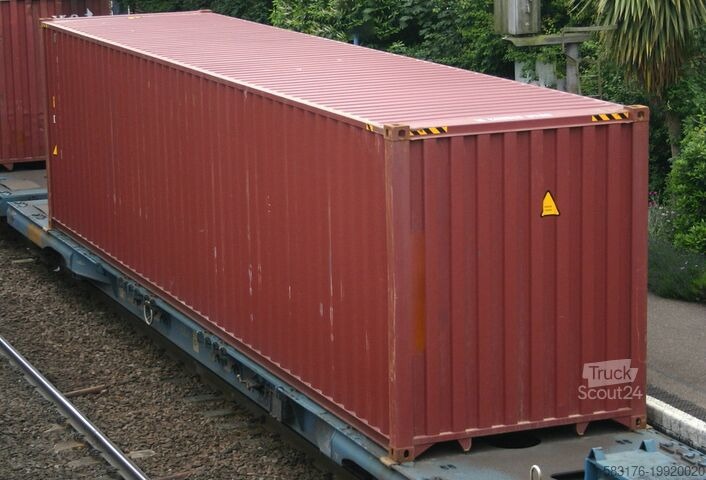
20 ft Container for Sale – The Complete Buying Guide for You
If you’re looking for a versatile, sturdy, and relatively affordable storage solution, a 20‑foot shipping container is often the first option that comes to mind. Whether you need extra space for a small business, a secure place to keep seasonal tools, or a compact “tiny home” on wheels, a 20 ft container can fit the bill. This guide walks you through everything you need to know before you click “Buy Now,” from dimensions and material options to cost‑saving tips and common questions.
1. Why a 20 ft Container Might Be Right for You
| Feature | What It Means for You | Typical Use‑Case |
|---|---|---|
| Footprint | 20 ft long × 8 ft wide × 8.5 ft high (standard). Fits easily in most driveways and lot corners. | Small‑scale warehouse, workshop, backyard storage. |
| Capacity | Approx. 33 cubic meters of internal volume – enough for 1,200 kg (2,600 lb) of cargo. | Storing pallets, garden equipment, or a compact office. |
| Mobility | Can be lifted by a standard forklift or small crane; often fitted with lift‑gate options. | Relocating a pop‑up shop or converting into a mobile studio. |
| Durability | Made from Corten steel that resists corrosion; rated for 20‑year life span with proper maintenance. | Long‑term outdoor storage in harsh climates. |
| Cost‑Effectiveness | Typically 30‑45 % cheaper than a 40 ft container while delivering most of the same functionality. | Small start‑ups or DIY‑enthusiasts on a budget. |
A 20 ft container gives you just the right amount of space without overwhelming your property or your wallet. Before you move forward, let’s break down the key specifications you should verify.
2. Core Specifications You’ll Need to Check
| Spec | Standard Value | Why It Matters to You |
|---|---|---|
| External Dimensions | 20 ft × 8 ft × 8.5 ft (L × W × H) | Determines whether the container fits through your gate or parking space. |
| Internal Dimensions | 19 ft × 7 ft × 7.9 ft | Dictates how much usable floor area you actually get. |
| Door Opening | 7 ft × 7.5 ft (standard swing‑door) | A wider door eases loading of bulky items and makes conversion projects simpler. |
| Weight | Tare weight ≈ 2,300 kg; Max payload ≈ 28,000 kg | Check your ground bearing capacity and the lifting equipment you’ll need. |
| ISO Rating | ISO 668 / ISO 10368 | Guarantees compatibility with global shipping and handling standards. |
| Ventilation | Usually 2–4 vent openings (optional) | Essential if you plan to store items that emit moisture or need airflow. |
| Insulation Options | None (stock) / Spray‑foam / Panel | Impacts temperature control for sensitive goods or living‑space conversions. |
Tip: Always ask the seller for a spec sheet that lists these numbers. Small variations (e.g., a higher roof) can dramatically affect your project.
3. Types of 20 ft Containers You Can Purchase
- Standard Dry Container – The most common; perfect for general cargo and storage.
- High‑Cube Container – 9 ft 6 in high, giving you an extra foot of vertical space. Ideal for tall equipment.
- Ventilated/Cold‑Storage Container – Comes with built‑in vent panels or refrigeration units. Great for perishables.
- Modified / Custom Container – May include windows, doors on the side, internal shelving, or electrical wiring. Best for office or living‑space conversions.
When you see “20 ft container for sale” online, it’s usually a standard dry unit unless otherwise specified. If you need something more specialized, be prepared for a higher price tag and a longer lead time.
4. How to Evaluate the Right Seller
| Question to Ask | Why It Helps You |
|---|---|
| Is the container new, used, or refurbished? | New containers carry a premium but guarantee structural integrity. Used may have dents or rust that could affect durability. |
| Can you provide the ISO certification number? | Confirms compliance with international standards, which matters for resale or insurance. |
| What is the delivery method and cost? | Some sellers include transportation, while others charge per mile. Knowing this upfront prevents surprise fees. |
| Are there any warranties or service contracts? | A short warranty (e.g., 6 months) can give you time to spot hidden damage. |
| Do you offer customization services? | If you need windows, insulation, or a lock upgrade, buying from a seller who can modify the unit saves you time. |
Pro tip: Check online reviews and request photos of the actual container you’ll receive—not just stock images. A reputable seller will gladly share recent pictures and a video walkthrough.
5. Step‑by‑Step Checklist for Purchasing
- Measure Your Site – Ensure the container will fit through gates, doorways, and the intended placement zone.
- Define Your Use‑Case – Storage, office, workshop, or tiny home? This determines insulation, ventilation, and interior layout needs.
- Set a Budget – Include container price, modifications, delivery, and any required permits.
- Compare Quotes – Use the table below to benchmark typical price ranges (USD).
- Inspect the Container – Look for rust, dents, water damage, and verify door functionality.
- Confirm Documentation – ISO certificate, proof of ownership, and any customs paperwork if imported.
- Arrange Delivery – Choose a reputable hauler; verify ground bearing capacity at the drop‑off site.
- Plan Installation – Decide if you’ll level the container with concrete pads, install a foundation, or use jacks.
6. Typical Price Ranges (2025)
| Condition | Price (USD) | What’s Included |
|---|---|---|
| New Standard Dry | $3,200 – $4,500 | ISO certification, basic lock set |
| New High‑Cube | $3,800 – $5,200 | Extra height, same as standard |
| Used Good Condition | $1,800 – $2,800 | Minor dents, may need repaint |
| Refurbished (paint + rust‑proof) | $2,300 – $3,200 | Fresh paint, rust‑inhibitor coating |
| Custom Modified | $4,500 – $8,500+ | Windows, insulation, electrical, interior build‑out |
Prices fluctuate based on location, shipping distance, and market demand. Always request a detailed quote before signing.
7. Frequently Asked Questions (FAQ)
Q1: How long does it take to receive a 20 ft container after ordering?
A: For a new, stock container, delivery typically ranges from 7–14 business days if the seller is within the same country. International orders can take 3–6 weeks depending on customs clearance.
Q2: Do I need a permit to place a container on my property?
A: It varies by municipality. Many jurisdictions treat a container as a temporary structure, but if you plan a permanent installation or conversion into living space, you’ll need building permits, zoning approval, and possibly a utility hookup permit.
Q3: Can I stack 20 ft containers?
A: Yes—standard containers are designed for stacking up to three units when properly secured. However, only the bottom container should be placed on a solid foundation; the upper units rely on the container’s corner castings and twist‑locks.
Q4: What kind of lock is recommended for security?
A: A high‑security padlock (e.g., stainless steel, hardened steel shackle) combined with a bolt‑type door lock offers the best protection. Some owners install a digital keypad or biometric lock for added convenience.
Q5: How do I protect a container from rust in a salty coastal environment?
A: Look for containers with a Corten steel base and a marine‑grade powder coating. Applying a rust‑inhibiting primer and periodic touch‑up painting prolongs the life. Consider adding a ventilation system to reduce condensation.
Q6: Is it legal to convert a container into a tiny house?
A: Yes, provided you meet local building codes, obtain the necessary permits, and ensure the structure complies with fire safety, insulation, and plumbing standards. Many jurisdictions now have specific “Accessory Dwelling Unit (ADU)” guidelines that include container conversions.
Q7: What maintenance does a 20 ft container require?
A: Perform a quarterly inspection for rust, water ingress, and door seal integrity. Clean the exterior with mild detergent, touch‑up paint any chips, and lubricate hinges and locks. If you have insulation, check for mold or moisture buildup.
8. Quick‑Start List: 5 Things to Do Right After Your Container Arrives
- Level the Base – Use concrete pads, wooden sleepers, or steel jacks to ensure the container sits evenly.
- Seal the Gaps – Apply silicone or marine sealant around doors, windows, and any penetrations.
- Install Grounding – Connect a grounding rod to prevent static buildup, especially if you’ll run electrical wiring.
- Add Ventilation – Hang a small vent or install a solar‑powered fan to avoid condensation inside.
- Fit Security – Replace the stock lock with a high‑security lock and consider a CCTV camera for added peace of mind.
9. Bottom Line – Is a 20 ft Container Worth It for You?
If you need a compact, robust, and flexible space that can be delivered quickly and customized later, a 20 ft container is often the smartest choice. By checking the specifications, confirming the seller’s credibility, and planning for delivery and installation, you’ll avoid the common pitfalls that turn a simple purchase into a costly headache.
Remember, the right container isn’t just a metal box—it’s a blank canvas for storage, a workshop, an office, or even a cozy tiny home. Use the guide above to make an informed decision, and you’ll be turning the key on your new space with confidence.
Ready to start? Search for “20 ft container for sale” in your region, compare at least three reputable dealers, and apply the checklist to lock in the best deal.