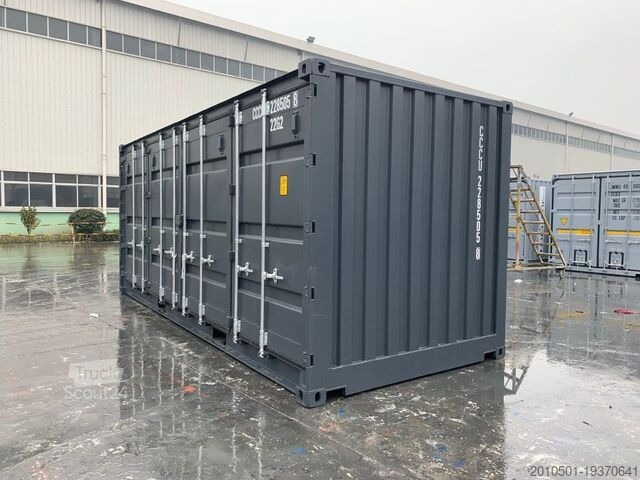
Your Complete Guide to Buying a 20‑ft Container in the UK
If you’re reading this, you’re probably looking for a reliable, cost‑effective way to store, transport, or even convert a 20‑ft shipping container for personal or commercial use. The good news is that the UK market is saturated with options, from brand‑new units to refurbished “used” containers that can be customised to suit almost any requirement.
In this post you’ll discover:
- The key specifications you need to check before you buy.
- How to compare prices across different suppliers.
- The most common uses for a 20‑ft container and why it might be the perfect fit for you.
- A step‑by‑step checklist to help you make a confident purchase.
- Answers to the most frequently asked questions (FAQ).
All of this is presented in a second‑person voice, so you can see exactly what you need to do, not just what the industry says. Let’s dive in.
1. Why a 20‑ft Container?
| Feature | What It Means for You | Typical Applications |
|---|---|---|
| Standard size (6.058 m × 2.438 m × 2.591 m) | Fits easily on most commercial and residential driveways, and can be loaded onto most UK lorries without special permits. | Self‑storage, pop‑up shops, workshops, Tiny‑home projects |
| Load capacity – up to 28 t (including container weight) | You can stack heavy machinery, pallets of goods, or even a small vehicle without exceeding the rating. | Logistics, construction sites, agricultural storage |
| ISO certified – globally recognised | No need to worry about compliance if you plan to ship the container overseas later. | Export/import, inter‑modal transport |
| Versatile interior – flat floor, wide doors | Easy to install shelving, racks, or insulation. | Offices, labs, art studios |
| Affordability – cheaper than larger units | Lower upfront cost and less space needed for placement. | Start‑ups, DIY hobbyists, SMEs |
A 20‑ft container provides the sweet spot between capacity and maneuvrability. If you need a bit more room, a 40‑ft unit may be overkill; if you only need a few cubic metres, the 10‑ft (a “half‑height” unit) may feel cramped. The 20‑ft size is the most frequently chosen because it is flexible enough for a huge range of projects while remaining easy to handle.
2. New vs. Used: Which Should You Choose?
| Aspect | New Container | Used / Refurbished Container |
|---|---|---|
| Cost | £1,900‑£2,800 (base price) | £1,200‑£1,800 (depending on condition) |
| Warranty | Usually 12‑24 months from manufacturer | Usually none, but some dealers offer a limited 3‑month guarantee |
| Condition | No dents, no rust, OEM paint | May have minor dents, rust spots, or previous modifications |
| Customization | Easier to add fittings before the container is sealed | May require extra work to remove old modifications |
| Delivery time | 2‑4 weeks (stock or order‑to‑build) | Often same‑day or next‑day if in stock locally |
| Best for | High‑value storage, food‑grade or pharma, resale value | Budget‑conscious projects, DIY conversions, temporary storage |
What to do:
- Set a budget – If you have £2,000‑£2,500 to spend, a new container with a short warranty is realistic. If you can stretch a little and accept a few cosmetic imperfections, a refurbished unit may give you extra cash for insulation or internal fittings.
- Inspect the container – Even “new” containers can have transport‑damage; ask for a photographic inspection or a short video before you commit.
3. Where to Buy a 20‑ft Container in the UK
Below is a quick snapshot of the most reputable UK suppliers, their typical price bands (incl. VAT) and the extra services they commonly provide.
| Supplier | Price Range (incl. VAT) | Delivery (km) | Additional Services |
|---|---|---|---|
| Schaefer Container Service | £1,950 – £2,700 | Nationwide (up to 500 km free) | 12‑month warranty, optional insulation, on‑site installation |
| Container Sales Ltd | £1,200 – £1,800 (used) | 0‑150 km free, beyond £0.30 km | Refurbishment, custom louvre doors, painting |
| Euro Containers | £2,050 – £2,850 (new) | Free within 200 km, £60 beyond | Office fit‑out, electrical wiring, planning advice |
| CSE Containers | £1,750 – £2,300 (new & used) | Nationwide – £50 flat fee | Secured storage yard, stacking service, container loan |
| UK Container Hire | £1,500 – £2,100 (used) | 0‑80 km free, £0.40 km thereafter | Short‑term hire, maintenance contracts, insurance options |
Tips for Choosing a Supplier:
- Read reviews on Trustpilot, Google, or industry forums.
- Ask about delivery logistics – some suppliers will handle the necessary permits for road‑use, especially if the container is to be placed on a public road.
- Check for hidden fees – e.g., crane hire, extra pallets, or disposal of old containers.
4. The Buying Checklist – Don’t Miss a Step
- Define the purpose – Are you storing tools, converting the container into a tiny house, or using it as a workshop?
- Measure the site – Ensure you have at least 2 m clearance on all sides for safe loading/unloading.
- Select the condition – New, refurbished, or used?
- Verify ISO rating – Look for the ISO 668 marking on the door.
- Confirm load capacity – Check the container’s tare weight (often 2 300 kg) and the maximum gross weight (≈ 28 t).
- Ask for a condition report – For used containers, request a detailed checklist of dents, rust, and any modifications.
- Request a quote – Include delivery, any optional accessories (doors, vents, insulation), and taxes.
- Check warranty and return policy – Even a short warranty can save you money on unexpected dents.
- Arrange delivery – Confirm the date, required access routes, and any on‑site lifting equipment.
- Plan the set‑up – Will you need foundations (concrete pads), anchoring bolts, or a steel frame?
Having this list printed out and ticking each item will give you confidence that you haven’t overlooked any hidden cost or logistical hurdle.
5. Common Uses & How to Optimise Your Container
| Use‑Case | Recommended Modifications | Typical Cost (GBP) |
|---|---|---|
| Self‑Storage | Steel shelving, padlock, optional side door | £200 – £500 |
| Pop‑up Shop | Front glass door, interior lighting, branding graphics | £500 – £1,200 |
| Workshop / Garage | Heavy‑duty roll‑up door, ventilation fans, power sockets | £600 – £1,500 |
| Tiny‑Home | Insulation (spray‑foam), internal partition walls, plumbing, windows | £2,000 – £5,000 |
| Cold Storage | Insulated panels, refrigeration unit, temperature monitoring | £2,500 – £7,000 |
Quick win: If you only need a few shelves and a lock, you can often finish the conversion yourself with a weekend of DIY. Purchase a pre‑finished steel shelving system (usually sold in 600‑mm depth modules) and attach it to the container walls with self‑drilling bolts.
6. Legal & Planning Considerations
- Planning Permission – In most of England, a 20‑ft container used for storage does not require planning permission if it’s placed on a private, non‑agricultural site and remains for less than 24 months. However, converting a container into a dwelling or office does require a Full Planning Permission and compliance with building regulations (e.g., fire safety, insulation).
- Road Use Permit – If the container will be transported on a public road exceeding 2 m in width or a length over 20 ft, you may need a Special Transport Permit. Many suppliers will arrange this for you, usually for a fee of £50‑£150.
- Health & Safety – Ensure the ground beneath the container is level and capable of supporting the 2.3 t tare weight plus contents. A concrete slab (≈ 1 m² × 0.15 m) typically costs £120‑£180 per square metre.
7. Frequently Asked Questions (FAQ)
| Question | Answer |
|---|---|
| How much does a new 20‑ft container cost in the UK? | Between £1,950 and £2,850 depending on supplier, finish (e.g., paint colour) and optional accessories. |
| Can I buy a container and have it delivered to a residential address? | Yes. Most UK suppliers deliver to residential sites, but you may be charged a small delivery fee (often £30‑£80) if the location is outside a 50‑km radius. |
| Do I need planning permission to use a container as a workshop? | Generally not, as long as the structure stays outside the dwelling and is not permanently attached. Check your local council’s guidelines for any exceptions. |
| What’s the difference between a “dry‑storage” and “wet‑storage” container? | Dry‑storage containers are standard units with a weather‑proof roof and sidewalls. Wet‑storage containers have a higher water‑tight rating, often with additional gaskets and a raised floor to prevent moisture ingress—useful for marine or food‑grade applications. |
| How long does delivery typically take? | 2‑4 weeks for a brand‑new unit from order to delivery; 1‑3 days for a used unit that is already in stock. |
| Can I finance a container purchase? | Many suppliers partner with finance firms to offer monthly instalments (often 12‑36 months). Interest rates vary, so compare APRs before signing. |
| Is it possible to stack two 20‑ft containers? | Yes, if both containers are structurally rated for stacking (look for the “stackable” mark on the doors). Typically, a container can be stacked once (i.e., two units high). |
| What accessories are most commonly added? | Roof hatch, side louvre doors, ventilation fans, lighting, shelving, insulation, and security locks. |
| Do containers come with a warranty? | New containers usually have a 12‑month warranty covering paint and structural defects. Used containers may have a limited 3‑month warranty or none at all. |
| How do I protect the container from rust? | Regularly wash the exterior, apply a protective wax or marine‑grade paint every 3‑5 years, and keep the roof drainage clear. |
8. Next Steps – Turn Information Into Action
- Write down your budget (including delivery, foundations, and any modifications).
- Browse at least three suppliers from the table above, request quotes, and ask for a condition report if you’re leaning toward a used container.
- Visit the site where the container will sit—measure, check access routes, and confirm you have enough clearance for a crane or forklift.
- Finalize your purchase and schedule delivery. Keep a copy of the invoice, warranty, and delivery note for future reference.
- Plan your conversion (if any). Sketch a simple floor plan, list required materials, and decide whether you’ll DIY or hire a contractor.
By following this structured approach, you’ll avoid the common pitfalls that trip up first‑time buyers—unexpected extra costs, delivery headaches, or a container that just doesn’t fit the intended use.
9. Final Thoughts
A 20‑ft container for sale in the UK is more than a metal box; it’s a versatile platform that can become a secure storage unit, a portable workshop, a stylish pop‑up shop, or even a cosy tiny home. The key to a successful purchase lies in clear purpose, realistic budgeting, and careful supplier selection.
Take advantage of the wealth of information in this guide, run through the checklist, and you’ll be well on your way to turning that steel box into a functional asset for your business, hobby, or lifestyle.
Happy container hunting!