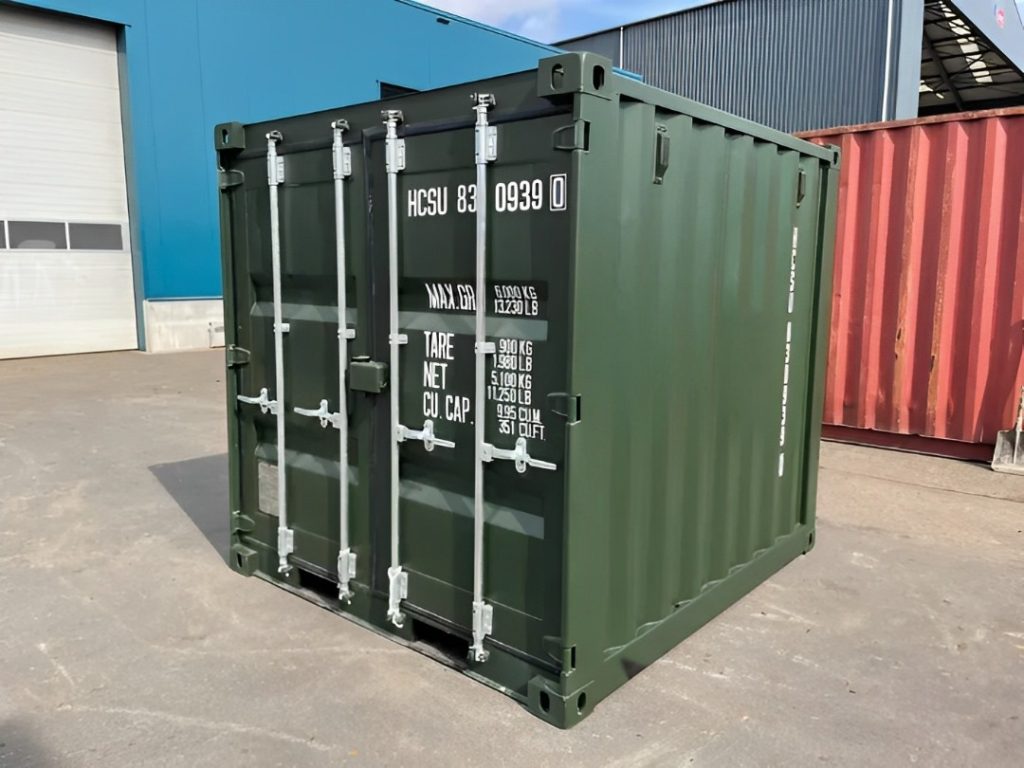
20‑ft Containers for Sale: Your Friendly Guide to Picking the Perfect Box
If you’ve ever wondered why a simple steel box the size of a small room shows up in construction sites, pop‑up shops, and even homes, you’re not alone. 20‑ft shipping containers have become the Swiss‑army‑knife of modern logistics and design. Whether you’re a small‑business owner looking for extra storage, a DIY‑enthusiast dreaming of a backyard office, or a contractor needing a rugged workspace on‑site, the right container can save you time, money, and headaches.
In this post we’ll walk you through everything you need to know before hitting “Add to Cart” on a 20‑ft container. We’ll break down specs, compare price tiers, give you a handy checklist, and answer the most common questions. By the end, you’ll feel confident to choose, purchase, and put your new container to work—fast.
1. Why Choose a 20‑ft Container?
Below is a quick‑hit list of why the 20‑ft size is the crowd‑favorite:
| ✅ Benefit | 📖 What It Means for You |
|---|---|
| Compact yet spacious | A 20‑ft box offers ~1,170 cu ft of internal volume—enough for a small workshop, a pop‑up café, or a mobile clinic. |
| Easy to transport | Fits on a standard trailer, so you can move it with most freight trucks without special permits. |
| Standardized dimensions | Global ISO standards guarantee that ports, cranes, and shipping lines already know how to handle it. |
| Affordability | 20‑ft units are cheaper than the larger 40‑ft twins while still providing plenty of room. |
| Durability | Made from corten steel, they resist rust, dents, and harsh weather for decades. |
| Versatility | Can be modified with doors, windows, insulation, shelving, or solar panels. |
| Security | Lockable, lock‑cylinder reinforced doors keep your belongings safe. |
If any of these points strike a chord, you’re already on the right track.
2. What to Look For When Buying
Before you start browsing listings, keep this 8‑step checklist in mind. Tick each box as you go:
- Condition – New, “one‑trip” (used only once), or used?
- Certification – Look for CSC (Convention on Safety of Containers) or ISO 1496‑2 compliance.
- Floor Load Capacity – Most 20‑ft containers support 2,200 kg (4,850 lb) uniformly distributed; double‑check if you’ll store heavy machinery.
- Door Type – Standard swing‑out doors vs. roll‑up doors; consider clearance at the site.
- Ventilation – Pre‑drilled vents or the option to add them for temperature‑sensitive cargo.
- Modifications – Insulation, electrical wiring, windows, shelving—are they already installed or will you add them later?
- Delivery Options – Does the seller arrange transport, or will you need a third‑party hauler?
- Warranty / Return Policy – A 1‑year rust‑free guarantee or a “no‑surprises” inspection report can save you future disputes.
Quick Tip
Ask the seller for a “container condition report” that documents dents, rust spots, and door alignment. A transparent report is a good sign of a trustworthy dealer.
3. Price Snapshot – How Much Does a 20‑ft Container Cost?
Prices fluctuate based on age, location, and added features. Below is a typical price range (USD) to give you a realistic idea:
| Condition | Typical Price | What You Get |
|---|---|---|
| New (factory fresh) | $3,200 – $4,500 | Brand‑new steel, CSC stamp, optional paint finishes |
| One‑Trip (used once, minor wear) | $2,500 – $3,200 | Light scratches, still in excellent condition |
| Used (good) | $1,800 – $2,500 | Minor dents, possible rust patches, functional doors |
| Used (fair/repair needed) | $1,200 – $1,800 | Visible wear, may need repainting or floor repair |
| Custom‑Fit (insulated, windows, office build‑out) | $4,500 – $7,500+ | Pre‑installed HVAC, interior walls, electrical, etc. |
Factors that push price up
- Location – Shipping a container from overseas can add $500‑$1,000 in freight.
- Modifications – Insulation, office fittings, and electrical work are billed per square foot.
- Urgency – Same‑day pickup or rushed delivery incurs premium charges.
4. Where to Buy – Best Places to Find 20‑ft Containers
- Specialized Container Dealers – Companies like Container Solutions or BoxHub list inventories with condition photos and certification PDFs.
- Online Marketplaces – eBay, Alibaba, and the U.S. based ContainerAuction.com have listings ranging from brand‑new to salvage.
- Local Port Authorities – Many ports sell “de‑commissioned” boxes at bargain rates; you often have to arrange your own haul.
- Scrap Yards & Recycling Centers – If you’re handy and ready to refurbish, these can be gold mines for cheap, weathered containers.
- Construction Equipment Rentals – Some rental firms sell off older units at the end of a lease term, usually with a short warranty.
Pro tip: Always ask for a photo gallery and a recent inspection report before committing. The cheaper the container, the more you’ll need to double‑check its condition.
5. From Purchase to Placement – A Simple 5‑Step Process
- Select & Confirm – Choose the container that matches your spec checklist. Request a final quote including delivery.
- Arrange Financing (if needed) – Many dealers offer 0 % financing for 12‑month terms; otherwise, a small business loan works well.
- Schedule Delivery – Provide precise coordinates, ground‑level access, and any required permits (especially for on‑site placement).
- Inspect on Arrival – Verify the container matches the condition report. Note any new dents or scratches before the driver signs off.
- Customize & Use – Add shelving, a lock, or interior finishings. Remember to ground the container correctly if you install electrical systems.
That’s it! With a little planning, your 20‑ft container will be ready for work within one to two weeks.
6. Maintenance Made Easy
Even though the steel is built to last, a little upkeep keeps your container looking sharp and functional:
| Maintenance Task | Frequency | How‑to |
|---|---|---|
| Wash exterior | Quarterly | Use a hose, mild detergent, and a soft brush; avoid pressure washers on seams. |
| Inspect doors & seals | Every 6 months | Check hinges, bolts, and rubber gaskets for wear; tighten loose bolts. |
| Check for rust spots | Annually | Sand any fresh rust, then apply a rust‑inhibiting primer and marine‑grade paint. |
| Floor cleaning | Monthly | Sweep debris; mop with a mild cleaner to prevent corrosion of the steel deck. |
| Ventilation check | Every 12 months | Ensure vents are not blocked; clean screens to maintain airflow. |
A well‑maintained container can serve you for 30+ years—that’s a solid return on investment.
7. Real‑World Inspiration – 5 Creative Uses for a 20‑ft Container
- Mobile Pop‑Up Café – Install a counter, espresso machine, and a few windows; you have a trendy, relocatable coffee shop.
- Compact Home Office – Insulate, add drywall, a desk, and Wi‑Fi; you get a distraction‑free workspace without a lease.
- Tool & Equipment Shed – Mount pegboards, lockable cabinets, and a sturdy workbench for a clean construction site base.
- Tiny House – With interior partitions, a lofted bedroom, and a small kitchen, you can turn a container into a legal tiny home (check local zoning).
- Urban Garden – Fit raised beds, irrigation, and a greenhouse roof to grow herbs, lettuce, or micro‑greens year‑round.
These examples illustrate the limitless adaptability of a 20‑ft container—just let your imagination do the rest.
8. Frequently Asked Questions
Q1: Do I need a permit to place a container on my property?
A: It depends on local zoning laws. In most residential areas, a 20‑ft container is considered an accessory structure and may require a building permit or a variance. Check with your city’s planning department before buying.
Q2: Can I stack two 20‑ft containers?
A: Yes, but only if the containers are CSC‑rated for stacking (most new ones are). The bottom unit must be on a solid, level foundation and the top unit secured with twist‑locks. For more than two layers, consult a structural engineer.
Q3: How do I insulate a container for year‑round use?
A: Spray‑foam insulation on the walls and ceiling is the most efficient, followed by rigid foam board. Add interior wall panels for a finished look and install a small HVAC unit or a portable heater/cooler.
Q4: What is the difference between “high‑cube” and standard containers?
A: A high‑cube 20‑ft container has an interior height of 9 ft 6 in (instead of the standard 8 ft 6 in), giving you roughly 15 % more vertical space. Ideal for taller equipment or lofted living spaces.
Q5: Are there any environmental concerns with using containers?
A: Shipping containers are made of recyclable steel, and repurposing them extends their life cycle, reducing waste. However, be mindful of any old paint that may contain lead—ensure it’s removed or sealed before interior use.
Q6: Can I paint the exterior a different color?
A: Absolutely! Use a marine‑grade epoxy primer followed by a UV‑resistant acrylic topcoat for best durability. Remember to paint in a well‑ventilated area or hire a professional.
Q7: What should I do if the container arrives with damage?
A: Document the damage (photos + video) immediately, contact the seller, and file a claim with the transport company. Most reputable dealers have a damage‑resolution policy within 48 hours.
9. Quick Recap – Your 20‑ft Container Buying Cheat Sheet
- Identify your purpose (storage, office, shop, home, etc.).
- Check condition, certification, and load capacity.
- Compare price tiers using the table above.
- Ask for a condition report and photos.
- Plan delivery logistics and any necessary permits.
- Inspect on arrival before signing off.
- Customize (insulation, doors, windows) as needed.
- Maintain with regular cleaning and rust checks.
10. Ready to Take the Next Step?
You now have all the knowledge to navigate the world of 20‑ft containers for sale with confidence. Whether you’re buying your first container or expanding a fleet, the right decision starts with clear goals, a solid checklist, and a trusted supplier.
“A container isn’t just a metal box—it’s a blank canvas for your business, hobby, or dream home.”
Take a moment, review the checklist, and start browsing reputable dealers today. Your versatile, sturdy, and affordable 20‑ft container is just a few clicks away—and the possibilities that follow are limitless.
Happy hunting! 🚚✨