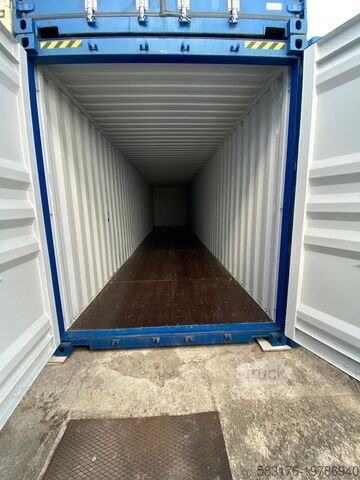
The Complete Guide to 30‑Foot Shipping Containers: What You Need to Know
If you’re searching for a versatile, space‑efficient solution for storage, transport, or a modular building project, a 30‑foot shipping container might be exactly what you need. While the 20‑ft and 40‑ft standards dominate the market, the 30‑ft unit sits comfortably in the middle, offering a balance of capacity, maneuverability, and cost. In this long‑form guide you’ll discover everything you need to know—specifications, common applications, buying tips, customization options, and the legal landscape—so you can decide whether a 30‑ft container is right for you.
1. Why the 30‑Foot Container Stands Out
| Feature | 20‑ft Standard | 30‑ft Standard | 40‑ft Standard |
|---|---|---|---|
| Inside Length (ft) | 19.4 | 29.4 | 39.4 |
| Inside Width (ft) | 7.7 | 7.7 | 7.7 |
| Inside Height (ft) | 7.9 (standard) / 8.9 (high‑cube) | 8.9 (high‑cube) | 8.9 (high‑cube) |
| Volume (cu ft) | 1,170 | 2,060 | 2,720 |
| Empty Weight (lb) | 4,800 | 6,600 | 8,200 |
| Typical Max Load (lb) | 48,000 | 55,000 | 60,000 |
| Turn‑radius (ft) | ~20 | ~26 | ~30 |
Numbers vary slightly by manufacturer; values above reflect typical ISO‑type containers.
Key takeaways
- More volume than a 20‑ft unit without the bulk of a 40‑ft, making it ideal for narrow sites or tighter shipping lanes.
- High‑cube height (8.9 ft) means you can stand upright, load pallets on two levels, or create comfortable interior spaces.
- Better weight distribution thanks to a lower tare weight relative to its payload, which can translate into lower freight fees per cubic foot.
2. Common Applications
| Application | How the 30‑ft Size Helps | Typical Modifications |
|---|---|---|
| Portable Warehousing | Fits most loading docks and can be stacked two‑high in many warehouses. | Shelving, ventilation, security doors. |
| Pop‑up Retail / Showrooms | Provides enough square footage for a small store while remaining transportable. | Interior lighting, branding signage, HVAC. |
| Off‑grid Housing | High‑cube interior gives standing height, crucial for livable spaces. | Insulation, windows, plumbing, solar panels. |
| Construction Site Offices | Compact enough to maneuver on cramped job sites yet spacious for multiple workstations. | Electrical wiring, acoustic insulation, climate control. |
| Cold‑Chain Storage | Sufficient volume for perishable goods without requiring a full‑size reefer. | Refrigeration unit, temperature monitoring. |
Because the 30‑ft container sits between the two most common lengths, you can often swap it with a 20‑ft unit (e.g., replace two 20‑ft containers with one 30‑ft unit) without major changes to your logistics plan.
3. Buying vs. Leasing: A Decision Checklist
3.1 When to Buy
- Long‑term usage (≥ 3 years).
- Customization that adds permanent value (e.g., HVAC, interior partitioning).
- Tax benefits: Many jurisdictions allow depreciation of capital assets.
3.2 When to Lease
- Short‑term projects (construction, events).
- Uncertainty about future volume needs.
- Cash‑flow constraints: Lease payments spread cost over time.
| Factor | Buying | Leasing |
|---|---|---|
| Up‑front cost | High | Low |
| Flexibility | Low (asset tied to you) | High (easy swap) |
| Maintenance responsibility | Yes | Usually included |
| Asset depreciation | Yes (tax advantage) | No |
4. Cost Breakdown (2025 US Market)
| Item | Approx. Price (USD) | Notes |
|---|---|---|
| New 30‑ft high‑cube container (ISO standard) | $4,800 – $6,200 | Steel grade, paint finish, and supplier affect price. |
| Used container (good condition) | $2,800 – $4,500 | Inspect for rust, dents, and structural integrity. |
| Delivery (local, ≤ 100 mi) | $500 – $1,200 | Depends on crane availability and site access. |
| Modifications (shelving, doors) | $1,200 – $4,500 | Custom work quoted per project. |
| Permits & inspections (city) | $150 – $600 | Varies widely; check local building codes. |
| Insurance (annual) | $200 – $450 | Based on value and location. |
These figures are averages; request quotes from multiple vendors to lock in the best rate.
5. How to Choose the Right 30‑Foot Container
- Define the purpose – storage, office, housing, or transport?
- Check clearance – measure doorways, ramps, and turning radii at your site.
- Select the steel grade – CORTEN for corrosion resistance, standard carbon steel for cost‑savings.
- Decide on a roof type – flat (easier to install solar panels) vs. curved (better runoff).
- Plan for utilities – pre‑install wiring conduits or plumbing chases if you’ll need electricity or water.
- Verify compliance – ISO 668 defines container dimensions; local building codes may impose fire‑rating or insulation standards.
6. Customization Ideas that Add Value
- Insulation & Interior Finish – Spray‑foam or rigid board insulation plus drywall or plywood gives a clean, energy‑efficient interior.
- Windows & Skylights – Small, double‑glazed units improve natural lighting while retaining structural rigidity.
- Solar Power Kit – A 2 kW rooftop panel system can power lighting, ventilation, and small appliances.
- Smart Monitoring – IoT sensors for temperature, humidity, and door status provide real‑time data, valuable for cold‑chain or security‑sensitive operations.
- Roll‑up Doors – Faster loading/unloading for bulk items; consider a reinforced frame if you’ll use forklifts.
7. Shipping & Handling Logistics
| Step | Action | Tips |
|---|---|---|
| 1. Site Survey | Confirm ground bearing capacity and access roads. | Use a qualified civil engineer for heavy loads. |
| 2. Transport Booking | Arrange a flatbed truck or a container chassis. | For distances > 500 mi, consider intermodal rail to cut costs. |
| 3. Cranes & Lift | Use a mobile crane (≈ 30 ton capacity) to lift the container onto the chassis. | Verify lift points (corner castings) are clear of debris. |
| 4. Placement | Position on a prepared pad with leveling stones. | Install steel jacks or skids for future relocation. |
| 5. Final Inspection | Check for dents, rust, and proper sealing of doors. | Document any pre‑existing damage to avoid disputes. |
Regulatory note: In the United States, the Federal Motor Carrier Safety Administration (FMCSA) requires a Cargo Securement Manual for shipments over 10,000 lb. Ensure the container is properly locked and that the weight is evenly distributed to meet DOT standards.
8. Frequently Asked Questions (FAQ)
Q1: Can a 30‑ft container be stacked on a standard 20‑ft container?
A: Yes, as long as both meet the ISO 1496‑A standard for stacking strength (typically 8,000 lb per corner). However, the combined height must honor local clearance limits.
Q2: Are there any special permits required to place a 30‑ft container on private land?
A: Most municipalities treat a container as a temporary structure, but you may need a temporary use permit or zoning variance if the container exceeds a certain square‑footage threshold (often 200 sq ft). Check with your city planning department.
Q3: How long does it take to convert a 30‑ft container into a livable tiny home?
A: A basic conversion—insulation, wiring, plumbing, interior walls—typically takes 6‑12 weeks for a professional crew. DIY projects can extend this timeline depending on skill level.
Q4: What are the environmental impacts of using shipping containers?
A: Repurposing a container reduces steel waste and avoids new construction material consumption. However, consider the embodied carbon of steel production and the energy used for modifications. Opt for low‑VOC paints and recycled insulation to mitigate impact.
Q5: Can I attach a 30‑ft container to a trailer for road transport?
A: Yes. Use a 30‑ft chassis trailer (often called a “semi‑trailer”). Ensure the trailer’s axle rating matches the container’s loaded weight; most 30‑ft chassis are rated for up to 60,000 lb.
Q6: Is a 30‑ft container compatible with standard container lifts at ports?
A: Absolutely. The container conforms to ISO 668, so it fits in all standard gantry cranes, reach stackers, and container handlers used in major ports worldwide.
Q7: How often should I inspect my container for rust or structural damage?
A: Conduct a visual inspection at least quarterly if the container is outdoors, and an annual detailed inspection (including interior checks) for containers used as living or office spaces.
9. Quick Reference Checklist (Print‑Friendly)
- Dimensions: 29.4 ft (L) × 7.7 ft (W) × 8.9 ft (H) – high‑cube interior.
- Load Capacity: 55,000 lb maximum payload.
- Typical Costs: $4,800‑$6,200 new; $2,800‑$4,500 used.
- Key Uses: Storage, pop‑up retail, tiny homes, site offices, cold‑chain.
- Customization Options: Insulation, windows, solar, smart sensors.
- Regulatory Points: ISO 668 compliance, local permits for permanent placement, FMCSA cargo securement.
- Maintenance Tips: Quarterly external rust checks, annual interior inspections, keep doors sealed to prevent moisture ingress.
10. Final Thoughts
Choosing a 30‑foot shipping container offers a sweet spot between capacity and maneuverability that many businesses and DIY enthusiasts overlook. By understanding the specs, evaluating your project’s specific needs, and planning for proper customization and compliance, you can turn a simple steel box into a high‑performance asset—whether it’s a secure warehouse, a stylish pop‑up shop, or a cozy off‑grid home.
Take the next step: measure your site, gather quotes from reputable suppliers, and sketch out your customization plan. With the right preparation, a 30‑ft container can become the backbone of your next logistical, commercial, or residential venture.
Happy stacking!