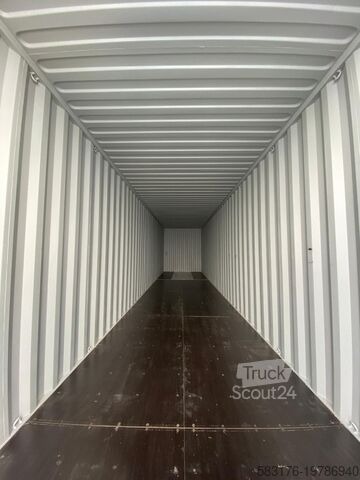
The Ultimate Guide to Buying a 40‑Foot Shipping Container (For Sale)
If you’re reading this, chances are you’re on the hunt for a 40‑foot shipping container—whether you need extra storage, a mobile workshop, a pop‑up shop, or a small modular office. The good news is that today’s market offers a wide variety of containers, prices, and customization options, so you can find exactly what fits your project and budget.
Below you’ll discover everything you need to know before you sign the purchase agreement: the different types of containers, how to evaluate condition and specifications, price benchmarks, financing tips, and a handy FAQ that covers the most common concerns.
1. Why a 40‑Foot Container Might Be the Perfect Fit for You
| Benefit | What It Means for You |
|---|---|
| Maximum Capacity | A standard 40‑ft container provides 2,350 kg (5,180 lb) payload and 2,390 cu ft (67.6 m³) of internal volume—enough space for a small fleet of tools, inventory, or even a compact living area. |
| Standardized Dimensions | Because the dimensions (40 ft × 8 ft × 8.5 ft high) are globally recognized, you can easily find pallets, racks, and accessories that fit perfectly. |
| Durability | Built from Corten steel, these containers resist corrosion, punctures, and harsh weather—ideal for outdoor placement. |
| Security | Heavy‑duty lockboxes and reinforced doors make theft far less likely than a conventional shed. |
| Mobility | With a single‑axle or dual‑axle chassis you can transport the container on the back of a truck, trailer, or even a flat‑bed railcar. |
| Flexibility | Convert it into a workshop, office, tiny home, or a container farm—the possibilities are limited only by your imagination (and local zoning). |
If any of these points align with your goals, a 40‑foot container could be the most economical and versatile solution on the market.
2. Types of 40‑Foot Containers You’ll Find for Sale
| Container Type | Key Features | Typical Use Cases |
|---|---|---|
| Standard Dry Container | Plain, weather‑tight, double‑door, ISO‑rated steel. | General storage, shipping, DIY projects. |
| High‑Cube Dry Container | Same as standard but 9 ft 6 in tall (extra 1 ft). | More headroom for standing, taller equipment, or modular apartments. |
| Refrigerated (Reefer) Container | Insulated walls, built‑in cooling unit, temperature control -30 °C to +30 °C. | Perishable goods, cold‑storage labs, wine cellars. |
| Open‑Top Container | Removable canvas roof, reinforced frames. | Oversized cargo like machinery, timber, or bulky raw materials. |
| Flat‑Rack Container | Collapsible side frames, no walls on one or both sides. | Heavy machinery, vehicles, large construction components. |
| Ventilated (Vent) Container | Mesh side panels for airflow. | Produce storage, grain, or items requiring ventilation. |
| Modified/Custom Container | Windows, doors, insulation, interior fittings. | Offices, pop‑up stores, tiny homes, classroom spaces. |
Tip: If you only need basic storage, a standard dry or high‑cube container is the most cost‑effective choice. For climate‑sensitive items, a reefer will be the better investment.
3. What to Look for When Inspecting a Used Container
Even though containers are built to last decades, a used unit can have hidden wear. Use this checklist during your inspection:
- Exterior Condition
- Rust spots or pitting? Light surface rust is normal; deep corrosion can compromise structural integrity.
- Dents or bends? Check the frame for any deformation that may affect stacking or transport.
- Doors & Locks
- Ensure doors open/close smoothly, seal evenly, and that locking mechanisms are functional.
- Look for warped hinges or missing bolts.
- Flooring
- Inspect for soft spots, water damage, or heavy rust. A solid floor is essential for heavy equipment.
- Roof & Ceiling
- Look for rust-through, cracks, or missing panels. The roof must be watertight.
- Structural Certification
- Ask for an ISO 1496-2 certificate or a CSC (Container Safety Certificate) which verifies compliance with international standards.
- Modifications
- Any cuts, additional windows, or interior fittings should be professionally installed. Verify that structural reinforcements were added where needed.
- Internal Cleanliness
- Even if you plan to retrofit, a clean interior reduces the need for extensive cleaning and mitigates odor or pest concerns.
If any of these areas raise red flags, negotiate a lower price or request repairs before purchase.
4. Pricing Overview (2025 Market Snapshot)
Below is a realistic price range you can expect when shopping for a 40‑foot container in the United States. Prices vary based on condition, location, and optional features.
| Condition | Standard Dry | High‑Cube Dry | Reefer | Open‑Top | Custom/Modified |
|---|---|---|---|---|---|
| Brand New | $4,200 – $5,300 | $4,800 – $6,200 | $7,500 – $9,800 | $5,500 – $7,000 | $8,500 – $12,500 |
| One‑Year Old (Lightly Used) | $3,200 – $4,000 | $3,700 – $4,600 | $6,200 – $7,800 | $4,500 – $5,800 | $7,500 – $10,500 |
| Three‑Year Old (Used) | $2,200 – $3,000 | $2,600 – $3,500 | $5,000 – $6,500 | $3,600 – $4,800 | $6,000 – $9,000 |
| Five‑Year+ (Heavily Used) | $1,500 – $2,200 | $1,800 – $2,500 | $4,000 – $5,400 | $2,800 – $4,000 | $5,000 – $7,500 |
Factors Influencing Price
- Location: Shipping containers near major ports (Los Angeles, New York, Houston) often cost less due to higher supply.
- Delivery Fees: Expect $300‑$700 for local delivery (within 100 mi) and $1,000‑$2,500 for long‑distance transport.
- Customization: Adding insulation, windows, or electrical work can add $500‑$2,500 per feature.
- Seasonality: Prices may dip in winter when demand from construction slows down.
5. How to Finance Your Purchase
- Direct Purchase: Pay cash (or a bank transfer). This often nets you the lowest price because sellers won’t add financing markup.
- Leasing: Many container leasing companies offer 12‑ to 60‑month contracts, perfect for short‑term projects. Look for “lease‑to‑own” options if you anticipate needing the container long‑term.
- Business Loan: If you’re buying for a commercial venture, a small‑business loan can spread the cost over 3‑5 years. Prepare a solid business plan—lenders love to see clear ROI (e.g., converting the container into a revenue‑generating showroom).
- Marketplace Financing: Some online marketplaces (e.g., ContainerBuy, eBay Business) partner with finance providers to offer “Buy Now, Pay Later” plans with 0‑% interest for up to 12 months.
Tip: Always calculate the Total Cost of Ownership (TCO)—price + delivery + taxes + any required modifications. A slightly higher upfront price may actually be cheaper in the long run if it includes delivery or a warranty.
6. Quick Checklist: Steps to Secure Your Container
- Define Your Use‑Case – Dry storage, office, home?
- Choose the Type – Standard, high‑cube, reefer, etc.
- Set a Budget – Include TCO (price + delivery + mods).
- Research Sellers – Compare local dealers, online marketplaces, and auction sites.
- Inspect (or Request Photos/Video) – Use the checklist above.
- Negotiate – Ask for a discount on bulk orders or free delivery.
- Secure Financing – Choose the method that fits cash flow.
- Finalize Purchase – Sign a sales agreement that details condition, warranty, and delivery date.
- Arrange Delivery & Placement – Ensure you have a level surface, proper permits (if needed), and a crane or forklift if you’re stacking.
- Plan Modifications – Schedule any interior work before you start using the container.
Following this workflow saves you from costly surprises and gets your container up and running faster.
7. Frequently Asked Questions (FAQ)
| Question | Answer |
|---|---|
| Can I buy a container and have it delivered to a residential address? | Yes—most sellers offer residential delivery, but you may need a permit for road or curbside placement. Check local zoning regulations first. |
| How long does a standard 40‑foot container last? | With proper maintenance, a steel container can exceed 30 years. The biggest enemy is corrosion, so periodic cleaning and touch‑up paint extend life dramatically. |
| Is a 40‑ft container allowed as a temporary structure without a building permit? | It depends on jurisdiction. In many US cities, a container used for storage only may be exempt, but converting it to an office or dwelling often requires a building permit and compliance with fire codes. |
| Do I need to register the container with the Department of Transportation? | No, registration is only required for containers that are part of a commercial freight operation. Once you own it for private use, you’re free to move it without a DOT number. |
| What’s the difference between a “dry” and a “high‑cube” container? | The high‑cube is 1 ft taller, providing extra headroom (9 ft 6 in vs. 8 ft 6 in). Internally, the volume increases by about 10 %—useful for standing or stacking taller items. |
| Can I stack two 40‑ft containers on top of each other? | Yes, if they are ISO‑certified for stacking and the bottom container’s corners are rated for 4‑times its payload. Always follow the manufacturer’s stacking guidelines. |
| What are the typical warranty periods for new containers? | Most manufacturers offer a 1‑year warranty covering rust‑through, structural defects, and door functionality. Some premium brands extend to 2‑3 years. |
| How do I protect a container from rust in a coastal environment? | Apply a marine‑grade epoxy primer and topcoat, install a drip edge, and consider a sacrificial anode system (zinc) attached to the frame. |
| Is it possible to get a container with an electrical outlet installed? | Absolutely—many sellers provide “plug‑and‑play” options with a built‑in 120/240 V outlet, hardwired lighting, and even solar panels. Customizations will add to the cost. |
| What financing options are available for a $5,000 container? | Personal loans, small‑business lines of credit, or “Buy Now Pay Later” plans from marketplace partners. Interest rates typically range from 4 % to 15 % APR depending on creditworthiness. |
8. Maintenance Tips to Keep Your Container in Prime Condition
- Regular Cleaning: Wash the exterior with mild detergent and a hose. Remove salt or sand that can accelerate corrosion, especially if you’re near the ocean.
- Inspect Seals: Every 6 months, check door gaskets for cracks or worn sections. Replace any compromised seals to maintain weather tightness.
- Touch‑Up Paint: Apply rust‑inhibiting primer to any new scratches, then finish with a durable marine‑grade paint.
- Ventilation: If you store volatile chemicals or perishable goods, install a small vent or dehumidifier to prevent interior condensation.
- Grounding: For containers used as offices or homes, ensure proper grounding to meet electrical code standards and protect against lightning.
- Pest Control: Seal any small holes and keep the interior tidy to deter rodents and insects.
A container that’s cared for will not only last longer but also retain its resale value—something to keep in mind if you ever plan to upgrade or sell.
9. Real‑World Examples: How People Are Using Their 40‑Foot Containers
- Pop‑Up Retail Space – A boutique clothing brand set up a high‑cube container in a downtown parking lot, installing glass windows, LED lighting, and a climate‑controlled interior. Sales jumped 35 % during the summer festival.
- On‑Site Workshop – A construction firm bought a standard dry container, fitted it with a workbench, tool racks, and a small generator. The mobile workshop travels with each job site, cutting down tool‑transport time by 50 %.
- Tiny Home – An eco‑enthusiast converted a used 40‑ft reefer into a minimalist tiny home, adding insulation, solar panels, and a compact bathroom. The result: a fully off‑grid living space for under $15,000.
- Container Farm – A local university used an open‑top container to grow herbs hydroponically. The controlled environment increased yields by 2.5× compared to traditional greenhouse space.
These stories illustrate the container’s adaptability—your imagination is the only limit.
10. Final Thoughts: Is a 40‑Foot Shipping Container the Right Investment for You?
When you weigh capacity, durability, security, and cost, the 40‑foot shipping container stands out as a remarkably versatile asset. Whether you’re a small business owner needing extra inventory space, a DIY enthusiast planning a conversion project, or a farmer looking for a portable greenhouse, the container delivers a ready‑made “shell” that you can tailor to fit your exact needs.
Take action now:
- Define what you need the container for—this will narrow down the type (dry, high‑cube, reefer, etc.).
- Set a realistic budget, adding delivery, taxes, and any modifications.
- Research reputable sellers, read reviews, and request certified condition reports.
- Inspect the container (or have a third‑party inspection) before you finalize the purchase.
- Secure financing or payment method that aligns with your cash flow.
By following the steps outlined in this guide, you’ll move from curiosity to confident ownership—turning a simple steel box into a powerful tool for storage, work, or even living.
Ready to start your search? Browse local listings, reach out to container dealers, and let the journey to a smarter, more flexible space begin today. Happy hunting!