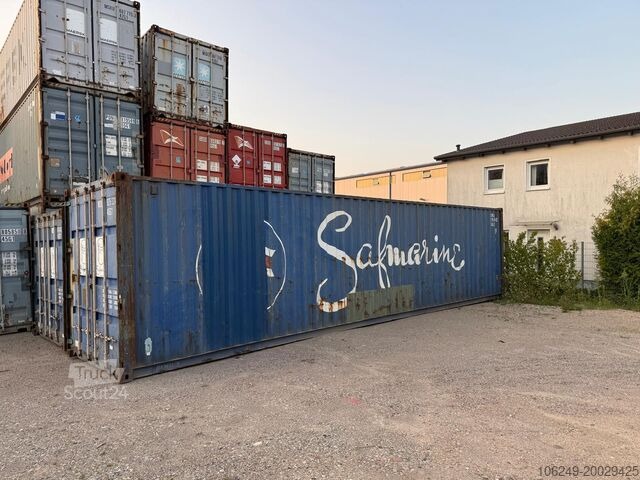
40‑Foot Shipping Containers for Sale: The Complete Buyer’s Guide
If you’re reading this, chances are you’re actively looking for a 40‑ft shipping container to serve a specific need—whether it’s a portable office, a secure storage unit, a pop‑up shop, or a foundation for a tiny home. The market is flooded with options, and without a clear roadmap you can easily get lost in a maze of dimensions, materials, and price tags.
This guide walks you through everything you need to know before you click “Add to Cart.” From technical specifications to hidden costs, from customization possibilities to the best places to buy, we’ve packed the information into easy‑to‑digest sections, tables, and checklists—so you can make a confident, informed purchase.
1. Why a 40‑Foot Container?
| Feature | Benefit | Typical Use‑Case |
|---|---|---|
| Maximum cubic volume (≈2,390 cu ft) | Most space per container size, reducing the number of units you need | Bulk storage of inventory, equipment, or raw materials |
| Standardized dimensions | Easy to load onto trucks, trains, and ships; universally accepted by ports | International logistics, moving companies |
| Robust steel construction | 12‑mm CORTEN steel walls resist dents, corrosion, and forced entry | Secure storage of valuable assets |
| Flexibility | Can be modified into offices, workshops, housing, or even a backyard pool | Entrepreneurs, contractors, DIY enthusiasts |
| Resale value | High demand keeps resale prices stable | Investors looking for short‑term assets |
A 40‑ft container is the workhorse of the global shipping industry. Its size hits the sweet spot between capacity and maneuverability, making it the most popular choice for anyone who needs serious space without the expense of a building.
2. Understanding the Technical Specs
Below is a quick‑reference table that outlines the most common specifications you’ll encounter when shopping online or talking to a dealer.
| Specification | Typical Value | What It Means for You |
|---|---|---|
| External Dimensions | 40’ × 8’ × 8.5’ (L × W × H) | Fits standard container racks, can be stacked two‑high on a trailer |
| Internal Dimensions | 39’ × 7’ × 7.9’ | Gives you ~2,390 cu ft usable volume |
| Door Opening | 7.5’ × 8.5’ (standard swing) | Allows passage of most pallets, machinery, and even small vehicles |
| Weight | Tare: ~8,200 lb; Payload: up to 59,000 lb (depending on grade) | Check your floor’s load limit before placing heavy equipment |
| Material | 12‑mm CORTEN steel, 6‑mm floor decking | Corrosion‑resistant, long‑life, suitable for outdoor placement |
| Ventilation | 2–4 vent openings (optional) | Prevents condensation, essential for humid climates |
| Insulation Options | None / 2‑in. spray foam / panel insulation | Determines suitability for climate‑controlled storage |
| ISO Rating | ISO 668 / ISO 1496‑1 | Guarantees compatibility with global transport standards |
Pro tip: Always verify the container’s ISO rating before purchase. A non‑ISO‑compliant unit may be rejected at customs or cause extra handling fees.
3. Where to Buy a 40‑Foot Container
| Purchase Channel | Advantages | Drawbacks | Typical Price Range (USD) |
|---|---|---|---|
| Direct from a Container Depot | Bulk inventory, often new or lightly used, can arrange on‑site delivery | Minimum order size, may require travel to view the unit | $2,300 – $4,500 (new) |
| Online Marketplace (e.g., eBay, Amazon, ContainerAuction) | Wide selection, easy comparison, reviews from other buyers | Variable condition, shipping fees can be high, scams possible | $2,000 – $5,000 (used) |
| Specialized Container Supplier (e.g., ConGlobal, Mobile Mini) | Customization services, financing options, warranty | Higher price due to value‑added services | $3,500 – $6,500 (custom) |
| Local Classifieds / Facebook Marketplace | Potentially the cheapest deals, immediate pickup | Limited warranty, unknown history, no certification | $1,800 – $3,500 (used) |
| Auction Houses (e.g., GovDeals, public surplus auctions) | Deep discounts on surplus or damaged units | May need repairs, no guarantee of compliance | $1,500 – $3,000 (as‑is) |
How to choose?
- Define your budget – include taxes, delivery, and any customization.
- Check certification – ask for the ISO certificate and a condition report.
- Plan logistics early – delivery trucks, permits, and site preparation can add $500‑$2,000.
4. Checklist Before Signing the Deal
| Item | Why It Matters | How to Verify |
|---|---|---|
| ISO Certification | Guarantees global compatibility. | Ask for a copy of the ISO 668/1496‑1 paperwork. |
| Condition Report | Reveals dents, rust, or structural damage. | Inspect photos, request a video walkthrough, or arrange a physical inspection. |
| Doors & Locks | Security and weatherproofing. | Test the door swing, latch mechanism, and seals. |
| Floor Integrity | Load‑bearing capacity & moisture resistance. | Look for warped panels, rusted joists, or water stains. |
| Ventilation | Prevents condensation, especially for stored goods. | Count vents; ask if optional vents are available. |
| Delivery Options | Adds $500‑$2,000 depending on distance. | Get a written quote from the seller’s logistics partner. |
| Warranty/Return Policy | Protects against unseen defects. | Read the fine print; prefer at least a 30‑day return window. |
| Customization Availability | Determines whether you can add insulation, windows, etc. | Ask if the supplier offers factory‑fit modifications. |
Tick each box before you click “Buy Now,” and you’ll avoid the most common buyer’s remorse scenarios.
5. Customization: Turning a Box into a Business Asset
A raw 40‑ft container is just steel and corrugated panels, but a few upgrades can dramatically increase its value and usability.
| Custom Feature | Typical Cost (USD) | Best Use‑Case |
|---|---|---|
| Insulation (spray foam, 2‑in.) | $1,200 – $1,800 | Climate‑controlled storage, office space |
| Electrical Wiring & Lighting | $800 – $1,500 | Pop‑up shops, workshops, mobile labs |
| HVAC System | $2,000 – $4,500 | Living quarters, refrigerated storage |
| Roll‑up Doors / Side Doors | $600 – $1,200 | Easy equipment loading, storefront front |
| Windows & Skylights | $300 – $800 per unit | Natural light for office or studio |
| Flooring (epoxy, interlocking tiles) | $500 – $1,200 | Clean environment for food prep or labs |
| Exterior Paint / Branding | $400 – $1,000 | Company branding, weather protection |
| Solar Panel Kit (2‑kW) | $1,200 – $2,000 | Off‑grid power for remote sites |
Quick tip: Order all custom work before the container is delivered. Factory‑fit modifications are usually 30‑40 % cheaper than retrofitting on site.
6. The Real Cost: Beyond the Sticker Price
| Cost Component | Approximate Range (USD) | Notes |
|---|---|---|
| Base Container (new) | $2,300 – $4,500 | 40‑ft high‑cube often costs a few hundred dollars more |
| Base Container (used) | $1,800 – $3,500 | Age, mileage, and rust affect price |
| Delivery (up to 250 mi) | $500 – $1,200 | Depends on truck size, permits, and site access |
| Permits & Site Prep | $200 – $800 | Concrete pads, grading, or utility hookups |
| Customization | $1,200 – $6,500 | Varies by scope (see Table above) |
| Insurance (annual) | $150 – $500 | Based on container value and location |
| Maintenance (annual) | $100 – $300 | Rust treatment, door latch lubrication, cleaning |
| Total First‑Year Cost | $5,150 – $13,300 | Approx. figure for a fully equipped, delivered unit |
Remember: total cost of ownership matters more than the purchase price. If you plan to use the container for five years, spread the expense over that period to evaluate the true monthly outlay.
7. Frequently Asked Questions (FAQ)
Q1: Can I stack two 40‑ft containers on top of each other?
A: Yes, if the containers are “stackable” (usually marked with a “ST” code) and the underlying structure can support the combined weight (≈ 70,000 lb). Always get a structural engineer’s sign‑off before stacking.
Q2: How do I protect a container from rust in a coastal environment?
A: Choose a CORTEN steel container (already rust‑resistant), apply a marine‑grade epoxy coating, and ensure proper ventilation to reduce moisture buildup. Adding a raised concrete pad also helps keep the bottom from constant salt spray.
Q3: What is the difference between a “Standard” and a “High‑Cube” 40‑ft container?
A: A high‑cube container is 9 ft 6 in tall (vs. the standard 8 ft 6 in), giving you an extra 15 % volume—ideal for tall equipment or extra storage height.
Q4: Can I use a 40‑ft container as a tiny home?
A: Absolutely, but you’ll need insulation, HVAC, plumbing, and interior finishes. Many tiny‑home builders convert containers into fully livable spaces, often adding a second floor or a mezzanine for extra square footage.
Q5: Is it legal to park a container on my residential property?
A: Zoning codes vary by city and county. Typically you’ll need a permit if the container is used as a permanent structure, or you must keep it on a concrete pad and adhere to setback requirements. Check with your local planning department.
Q6: How long does delivery take after I place the order?
A: For new stock at a nearby depot, delivery can be as fast as 3‑5 business days. If the container needs to be shipped from another region, expect 2‑3 weeks, plus customs clearance if importing.
Q7: What financing options exist for buying a container?
A: Some suppliers offer lease‑to‑own programs (10‑30 % down, monthly payments over 3‑5 years). Others partner with equipment‑finance companies that provide interest‑only loans. Compare APRs and read the fine print.
8. Step‑by‑Step Buying Process
- Define your purpose – storage, office, retail, housing?
- Set a realistic budget – include base price, delivery, and upgrades.
- Research suppliers – use the table in Section 3 to shortlist candidates.
- Request quotes – ask for a detailed breakdown (container grade, delivery distance, customization).
- Inspect the unit – either in person or via high‑resolution video. Verify ISO certification and condition.
- Negotiate – many sellers will match competitor pricing or throw in a free vent/door upgrade.
- Sign the contract – ensure you have a clear return policy and warranty terms.
- Arrange delivery – confirm site access, permits, and any needed ground preparation.
- Finalize customization – if you’re adding insulation or electrical work, schedule these before the container sits on site.
- Take possession – perform a final inspection; document any existing dents or scratches.
Follow these steps, and you’ll walk away with a container that meets your exact needs, without hidden surprises.
9. Bottom Line: Is a 40‑Foot Container Right for You?
If you need large, secure, and transport‑ready space, the 40‑ft shipping container remains the most efficient solution on the market. Its standardized dimensions, robust construction, and the ability to customize make it a versatile asset for businesses, hobbyists, and homeowners alike.
By using the tables, checklists, and FAQ in this guide, you can cut through the noise, compare offers objectively, and avoid costly pitfalls. Remember to factor in total ownership cost, verify compliance with ISO standards, and think ahead about any modifications you’ll need.
Take action now:
- Grab a notepad and list your top three use‑cases.
- Reach out to at least two suppliers from the table above for quotes.
- Schedule a site visit (or video tour) within the next week.
With a little homework, you’ll have the perfect 40‑ft shipping container in place, ready to protect, store, or showcase whatever you value most. Happy buying!