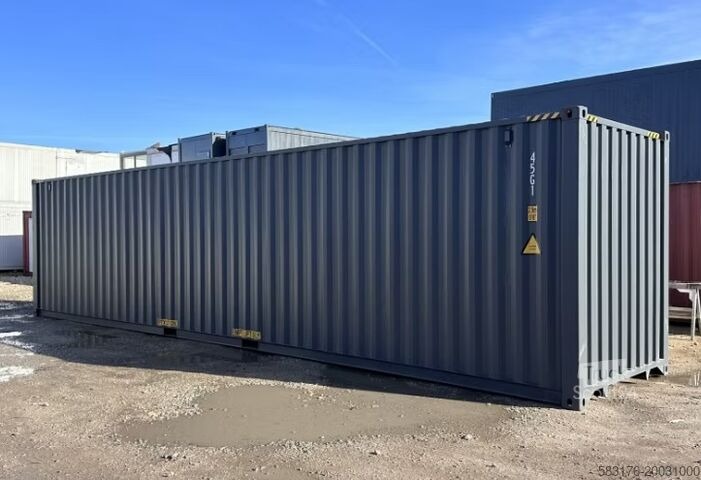
Shipping Containers for Sale: What You Need to Know Before You Buy
If you’re reading this, chances are you’re considering adding a steel shipping container to your property—whether for storage, a pop‑up shop, an office, or even a tiny home. The market for shipping containers for sale has exploded in the last decade, and you now have more options than ever before. This guide walks you through every crucial decision point, from choosing the right size to budgeting for delivery and customization.
Pro tip: Treat a shipping container like a real‑estate purchase. You’ll want to evaluate location, zoning, and long‑term utility just as you would with a house or office building.
1. Why Choose a Shipping Container?
| Benefit | How It Helps You |
|---|---|
| Durability | Made of C‑rated marine steel, a container can withstand harsh weather, corrosion, and heavy loads for decades. |
| Portability | Standardized dimensions let you move the unit via truck, rail, or ship without special permits (up to 20 ft). |
| Affordability | New 20‑ft containers start around $2,200–$3,000, while used units can be under $1,500. |
| Flexibility | Easily modified with doors, windows, insulation, and internal shelving to suit any purpose. |
| Security | Lockable steel doors, optional CCTV, and tamper‑proof hinges keep your assets safe. |
If any of those points line up with your goals, you’re already on the right track.
2. Container Types at a Glance
| Type | Typical Dimensions (L × W × H) | Common Uses | Key Features |
|---|---|---|---|
| Standard Dry Container | 20 ft × 8 ft × 8.5 ft (2,390 cu ft) 40 ft × 8 ft × 8.5 ft (4,800 cu ft) | General storage, workshops, pop‑up retail | Weather‑tight, no ventilation |
| High‑Cube Dry Container | 40 ft × 8 ft × 9.5 ft (5,500 cu ft) | Offices, labs, housing (more headroom) | Extra 1 ft of interior height |
| Reefer (Refrigerated) Container | 20 ft × 8 ft × 8.5 ft (2,300 cu ft) | Cold‑storage, food trucks, pharma | Built‑in cooling unit, insulated walls |
| Open‑Top Container | 20 ft × 8 ft × 8.5 ft (2,350 cu ft) | Heavy machinery, timber, oversized loads | Removable tarpaulin roof |
| Flat‑Rack Container | 20 ft × 8 ft × 8.5 ft (1,200 sq ft deck) | Construction steel, vehicles | Collapsible side walls |
Note: All containers meet ISO 668 standards, meaning the external dimensions are consistent worldwide—making transport and stacking predictable.
3. How to Size Your Container (and Budget Accordingly)
3.1. Calculate Your Space Needs
- Measure the volume of what you’ll store or build inside.
- For a simple storage unit, multiply the length, width, and height of the items.
- Add a 10–15 % buffer for aisles, shelving, or future expansion.
3.2. Price Benchmarks (2025)
| Size | New (USD) | Used (USD) | Approx. Delivery (20 mi) |
|---|---|---|---|
| 20‑ft Standard | $2,200–$3,200 | $1,200–$1,800 | $300–$500 |
| 40‑ft Standard | $3,800–$5,200 | $2,200–$3,300 | $500–$800 |
| 40‑ft High‑Cube | $4,200–$5,800 | $2,500–$3,700 | $500–$800 |
| 20‑ft Reefer | $5,500–$7,500 | $3,800–$5,200 | $600–$900 |
Delivery costs vary by distance, weight, and whether a crane is needed for placement.
3.3. Quick “Which Size Is Right for You?” Checklist
- Storage of pallets (up to 48 pallets) → 40‑ft standard.
- Compact workshop for tools → 20‑ft standard.
- Office with standing desks → 40‑ft high‑cube (extra headroom).
- Cold‑chain needs → 20‑ft reefer (or larger if you have high volume).
4. Where to Buy Shipping Containers
| Source | Pros | Cons | Typical Lead Time |
|---|---|---|---|
| Local Container Yards | Immediate inspection, lower transport fees | Limited inventory, may require haggling | 1–2 weeks |
| Online Marketplaces (e.g., eBay, ContainerAuction.com) | Wide selection, transparent pricing | No physical inspection, shipping logistics on you | 2–4 weeks |
| Specialized Dealers (e.g., ConGlobal, SeaBox) | Customization services, warranties | Higher price due to value‑added services | 3–6 weeks |
| Direct from Shipping Lines | Brand‑new, often still under manufacturer warranty | Usually only new containers, higher minimum order | 4–8 weeks |
Tips for Vetting a Seller
- Ask for a recent ISO inspection report.
- Verify the container’s CSC (Container Safety Certificate) plate.
- Request photos of interior condition—look for rust, dents, or water damage.
- Check the seller’s return policy and insurance coverage during transport.
5. Customization Options You Might Need
| Feature | Why You Might Want It | Approximate Cost (USD) |
|---|---|---|
| Insulation (spray foam or panel) | Turn a container into a livable space or keep temperature stable | $800–$1,200 (20‑ft) |
| Windows & Doors | Natural light, easier access | $500–$1,000 per opening |
| Electrical Wiring & Lighting | Office or workshop lighting, power outlets | $1,000–$2,500 |
| HVAC System | Comfort for offices or homes | $2,000–$4,500 |
| Exterior Paint/Coating | Branding, corrosion protection | $300–$600 |
| Internal Shelving/Racking | Organized storage | $200–$800 per linear foot |
Pro tip: Bundle several upgrades with a single contractor; they often give a discount for a “full‑fit” package.
6. Legal & Zoning Checklist (Don’t Skip This!)
- Zoning Verification – Confirm your municipality allows a container on the property. Some residential zones require a “accessory structure” permit.
- Setback Requirements – Typically 5–10 ft from property lines; check local codes.
- Foundation Needs – Most sites need a concrete pad or steel joists to prevent settling.
- Utility Connections – If you need electricity or water, plan the trenching and permits early.
- Insurance – Add the container to your property insurance policy; some insurers require a separate “equipment” endorsement.
7. Step‑by‑Step Buying Process
- Define Your Use‑Case – Storage, office, retail, or housing.
- Select Size & Type – Use the table in Section 3.
- Research Sellers – Compare at least three sources using the vetting checklist.
- Request Quotes – Include price, delivery, foundation, and any custom work.
- Inspect the Unit – If possible, see the container in person or ask for a video walkthrough.
- Secure Financing – Many dealers offer lease‑to‑own or short‑term loans.
- Obtain Permits – Submit zoning and building applications.
- Schedule Delivery & Installation – Coordinate with a crane operator if needed.
- Finalize Customization – Work with a contractor for interior build‑out.
- Commission & Use – Perform a final inspection, then start using your new asset.
8. Frequently Asked Questions (FAQ)
| Question | Answer |
|---|---|
| Are used containers safe? | Yes, as long as they have a current CSC plate and no structural damage. Look for dents larger than 2 inches, rust‐through, or waterlogged floors. |
| How long does a container last? | With proper maintenance, a steel container can exceed 30 years. Repaint every 5–7 years to prevent corrosion. |
| Can I stack containers on my property? | Absolutely, but you’ll need a reinforced foundation and may require a building permit. |
| Do I need a crane to place the container? | For a single‑unit placement on a level ground, a forklift or small crane (2‑3 ton) is sufficient. Larger or stacked units require a bigger crane. |
| What’s the difference between a “dry” and a “reefer” container? | A dry container is a basic steel box with no temperature control. A reefer includes an integrated refrigeration unit and insulation, ideal for perishables. |
| Can I finance a container purchase? | Many suppliers partner with finance companies offering 3‑ to 7‑year terms. Compare APRs and consider leasing if you only need the container short‑term. |
| Is there a warranty on new containers? | Most manufacturers provide a 1‑year warranty covering rust and structural defects. Used containers rarely carry warranties. |
| How do I prevent condensation inside the container? | Install insulation and a ventilation system. Adding a vapor barrier on the interior walls helps as well. |
| Can I convert a container into a tiny home? | Yes, but you’ll need to meet local building codes for habitable space, including insulation, windows, plumbing, and electrical. |
| What are the hidden costs? | Foundation, permits, utility hookups, and transportation fees can add 20–30 % to the base price. |
9. Bottom Line: Is a Shipping Container Right for You?
If you need a robust, mobile, and cost‑effective solution for storage, workspace, or even living quarters, a shipping container can be a brilliant investment. The key to a successful purchase is research, planning, and budgeting for the entire lifecycle—not just the sticker price of the steel box.
By following the steps, tables, and checklists above, you’ll walk away with a container that meets your needs, complies with local regulations, and adds real value to your property.
Ready to start? Grab a notebook, jot down your exact requirements, and begin reaching out to reputable dealers today. The perfect container is waiting—just a few clicks and a bit of due diligence away.
Happy container hunting!