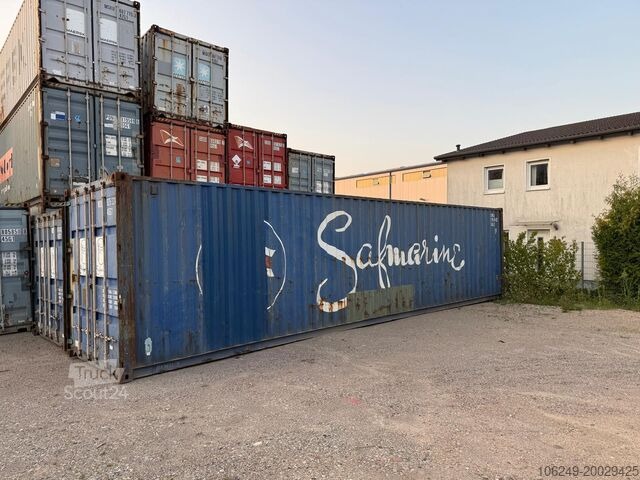
The Ultimate Guide to Buying Containers for Sale
Whether you’re a small‑business owner looking for extra storage, a DIY enthusiast planning a backyard office, or a logistics manager expanding a fleet, container purchasing can be a game‑changer. The market is flooded with options, price points, and specifications, which can feel overwhelming at first glance. This guide walks you through everything you need to know, step by step, so that you can choose the right container, negotiate the best price, and put your purchase to work immediately.
1. Why Consider a Container?
| Benefit | How It Helps You | Real‑World Example |
|---|---|---|
| Cost‑effective storage | A 20‑ft container can hold up to 1,150 cu ft of goods for a fraction of a warehouse lease. | A retail shop uses a refurbished 40‑ft container to store seasonal inventory, saving $4,500 per year on rent. |
| Portable & modular | Move the unit on a truck or trailer whenever you need, and stack multiple units to create larger spaces. | A construction site stacks three 20‑ft containers to form a temporary office hub. |
| Weather‑proof & secure | Steel walls and lockable doors protect contents from rain, theft, and pests. | An artist stores sculptures in a sealed container, avoiding damage from humidity. |
| Customizable | Add windows, doors, insulation, or shelving to fit any function. | A coffee roaster retrofits a container with ventilation and a small roasting area. |
| Rapid deployment | No need for lengthy building permits; a container can be placed and used within days. | A disaster‑relief team deploys a 40‑ft refrigerated unit to preserve medical supplies. |
If any of these points resonate with your current challenge, you’re already on the right track to see why containers for sale are a practical solution.
2. Types of Containers You’ll Find on the Market
| Container Type | Standard Dimensions* (L × W × H) | Typical Uses | Approx. Price (USD) – New | Approx. Price (USD) – Used |
|---|---|---|---|---|
| Standard Dry (ISO) 20‑ft | 20 ft × 8 ft × 8.5 ft | General storage, small‑scale shipping | $2,500 – $3,500 | $1,200 – $2,200 |
| Standard Dry 40‑ft | 40 ft × 8 ft × 8.5 ft | Larger inventories, mobile offices | $4,500 – $6,500 | $2,500 – $4,500 |
| High‑Cube 40‑ft | 40 ft × 8 ft × 9.5 ft | Bulk goods, equipment, tall items | $5,500 – $7,500 | $3,200 – $5,200 |
| Refrigerated (Reefer) 20‑ft | 20 ft × 8 ft × 8.5 ft | Perishables, pharmaceuticals | $12,000 – $15,000 | $7,500 – $11,000 |
| Refrigerated 40‑ft | 40 ft × 8 ft × 8.5 ft | Large cold‑chain logistics | $22,000 – $28,000 | $14,000 – $20,000 |
| Open‑Top 20‑ft | 20 ft × 8 ft × 8.5 ft | Oversized cargo, construction material | $3,200 – $4,500 | $1,800 – $3,200 |
| Flat‑Rack 20‑ft | 20 ft × 8 ft × 8.5 ft (no side walls) | Machinery, steel girders | $3,500 – $5,000 | $2,200 – $3,800 |
| Specialty (e.g., hazardous, office fit‑out) | Varies | Specific industry needs | $6,000 – $20,000+ | $3,500 – $15,000+ |
*All dimensions are internal measurements; external size adds roughly 4‑5 in on each side.
Key takeaways:
- If you simply need a sturdy, weather‑proof box, a standard 20‑ft or 40‑ft dry container will be the most economical choice.
- For tall items, a high‑cube adds an extra foot of clearance without increasing the footprint.
- When temperature control is critical, a reefer is the only viable option, but expect a higher price tag and the need for power connections.
3. How to Choose the Right Container for Your Project
- Define the purpose – Are you storing pallets, building a workshop, or creating a pop‑up shop? Your end‑use dictates size, interior height, and any special features (ventilation, windows, doors).
- Measure the space where it will sit – Remember to leave at least 12‑in clearance on each side for forklift access or ground‑level placement.
- Decide on new vs. used – New containers guarantee no dents, corrosion, or hidden damage, but used units can shave off 40‑60 % of the cost.
- Check condition reports – Ask the seller for a C‑POD (Condition‑Photo‑Over‑Delivery) sheet that lists dents, rust, and any repairs needed.
- Assess delivery logistics – A 40‑ft container weighs roughly 8,000 lb empty. Verify that your transport provider can handle the weight and that local road regulations permit the chosen length.
- Budget for modifications – Adding insulation, shelving, or a side door will increase total spend. Get quotes before purchasing.
4. Where to Find Containers for Sale
| Source | Pros | Cons | Typical Price Range |
|---|---|---|---|
| Manufacturer/Shipyard | Brand‑new, warranty, customizable | Higher baseline cost | $2,500 – $28,000 (depending on type) |
| Specialized Dealers | Wide inventory, financing options, after‑sales service | May carry only used stock | $1,200 – $22,000 |
| Online Marketplaces (e.g., eBay, Craigslist, ContainerSupply.com) | Immediate availability, competitive pricing | Variable condition, limited inspection | $1,100 – $20,000 |
| Auctions (Port, government surplus) | Deep discounts, bulk lots | Requires quick decision, potential hidden damage | $800 – $15,000 |
| Leasing Companies | Short‑term use, maintenance included | Rental fees can exceed purchase cost over time | N/A (rental) |
Tips for a Successful Purchase:
- Verify the VIN (Vehicle Identification Number) – Every container has a unique 11‑character code stamped on the door. Use it to check ownership history through the International Container Bureau (ICB).
- Ask for a third‑party inspection – For high‑value units (especially reefers), a certified marine surveyor can spot structural issues that aren’t obvious in photos.
- Negotiate delivery – Some sellers include free transport within a 50‑mile radius; others charge per mile. Always get a written quote.
5. Pricing Snapshot – What to Expect
| Size & Type | New (USD) | Used (USD) | Typical Annual Depreciation* |
|---|---|---|---|
| 20‑ft Dry | $2,500 – $3,500 | $1,200 – $2,200 | 5‑7 % |
| 40‑ft Dry | $4,500 – $6,500 | $2,500 – $4,500 | 6‑8 % |
| 40‑ft High‑Cube | $5,500 – $7,500 | $3,200 – $5,200 | 6‑9 % |
| 20‑ft Reefer | $12,000 – $15,000 | $7,500 – $11,000 | 8‑10 % |
| 40‑ft Reefer | $22,000 – $28,000 | $14,000 – $20,000 | 9‑12 % |
| Open‑Top 20‑ft | $3,200 – $4,500 | $1,800 – $3,200 | 5‑8 % |
| Flat‑Rack 20‑ft | $3,500 – $5,000 | $2,200 – $3,800 | 6‑9 % |
*Depreciation is an estimate based on a 5‑year ownership horizon.
What this means for you:
- A used 40‑ft high‑cube can be acquired for roughly $4,000 if you shop smart, giving you about 30 % more internal volume for the price of a brand‑new 20‑ft dry container.
- Reefer containers hold their value better, but the upfront cost is substantial; consider a lease if you only need cold storage for a short project.
6. Checklist: 7 Steps Before You Sign the Deal
- Confirm dimensions – Draw a floor plan and verify the container will fit through doors/gates.
- Inspect for rust & dents – Even minor corrosion can spread quickly in marine‑grade steel.
- Test the door seals – Ensure they close tightly; a faulty seal defeats temperature control.
- Request a load‑capacity certificate – Guarantees the container can handle the weight you intend to store.
- Verify power options (for reefers) – Check voltage compatibility and whether a generator or grid connection is required.
- Negotiate warranty or after‑sales service – A 12‑month structural warranty is standard for new units.
- Finalize delivery logistics – Confirm who handles permits, crane rental, and site preparation.
7. Frequently Asked Questions (FAQ)
| Question | Short Answer | Expanded Explanation |
|---|---|---|
| Do I need a license to own a container? | No. Containers are considered personal property. | However, if you intend to transport the container on public roads, the driver must hold a commercial driver’s license (CDL) for loads over 10,000 lb. |
| Can I paint the exterior? | Yes, but use marine‑grade epoxy primer and anti‑corrosion paint. | Proper surface preparation (sandblasting, cleaning) prolongs the lifespan and prevents rust. |
| How long does delivery typically take? | 1–3 weeks for domestic shipments; 4–6 weeks for overseas orders. | Delivery time depends on stock availability, distance, and customs clearance if importing. |
| What maintenance does a container require? | Periodic cleaning, rust inspection, door lubrication. | A simple 30‑minute quarterly check can catch problems early. For reefers, schedule HVAC servicing every 6 months. |
| Is a container suitable for a home office? | Absolutely, with proper insulation, ventilation, and electrical wiring. | Many entrepreneurs convert 20‑ft containers into stylish micro‑offices; building codes may require a permit for permanent installations. |
| Can I stack containers? | Yes, up to three units for standard 20‑ft/40‑ft containers when engineered correctly. | Stacking requires a flat, reinforced foundation and professional rigging. |
| What’s the difference between ISO and non‑ISO containers? | ISO containers meet International Organization for Standardization specs; non‑ISO may vary in size/strength. | For shipping and resale value, stick with ISO‑compliant units. |
| Are there financing options? | Many dealers offer lease‑to‑own, equipment loans, and credit lines. | Compare APRs and total cost of ownership; a 3‑year loan may be cheaper than a high‑interest lease. |
8. Real‑World Success Stories (Mini‑Case Studies)
- Pop‑Up Retail in a Downtown Alley – A boutique bought a used 20‑ft dry container for $1,500, added glass doors, LED lighting, and a POS system. Within two weeks, the pop‑up generated $12,000 in sales, paying for the container in under a month.
- Remote Construction Site Office – A contractor leased three high‑cube 40‑ft containers, each fitted with HVAC and solar panels. The mobile office reduced the need for a permanent building and cut overhead by 30 %.
- Cold‑Chain Start‑Up – A specialty foods company purchased a refurbished 40‑ft reefer for $16,000. By controlling temperature in‑house, they eliminated a $7,500 annual third‑party storage contract.
9. Your Next Steps
Now that you have a clear roadmap, here’s how to move forward:
- List your requirements – Write down size, type, budget, and any customization you need.
- Research local dealers – Use the table above to identify at least three reputable sellers in your region.
- Request quotes & condition reports – Compare price, delivery terms, and warranty coverage.
- Arrange an inspection – If buying used, schedule a site visit or hire a marine surveyor.
- Finalize financing – Choose between outright purchase, loan, or lease based on cash flow.
- Place the order & schedule delivery – Confirm permit requirements with your local municipality.
By following this methodical approach, you’ll avoid costly surprises and secure a container that serves your needs for years to come.
10. Closing Thoughts
Containers for sale have evolved far beyond the simple steel boxes that once only moved cargo across oceans. Today, they’re versatile, affordable, and instantly deployable solutions for storage, workspace, retail, and even housing. You have the power to turn a raw steel shell into a functional asset—all you need is the right information, a solid plan, and a trustworthy supplier.
Take action now: assess your needs, browse the market, and make a purchase that aligns with your goals. In the world of modern logistics and creative entrepreneurship, a container can be the foundation of your next big breakthrough.
Happy container hunting!