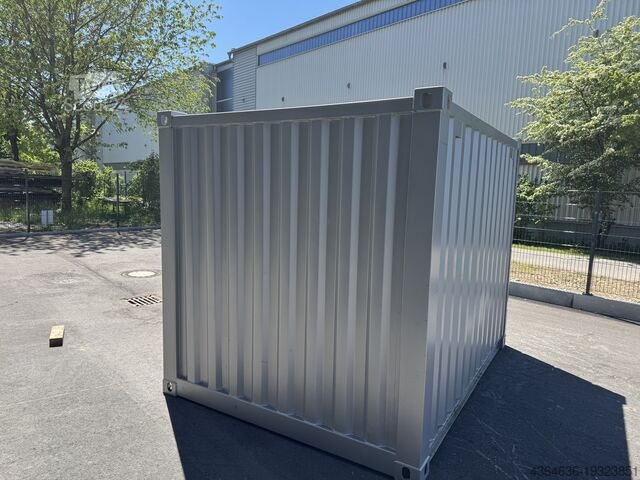
The Ultimate Guide to Choosing and Using a Storage Container
(Everything you need to know, in one place)
When you’re faced with a mountain of boxes, seasonal gear, or a sudden need for extra space, a storage container can feel like a lifesaver. Whether you’re a homeowner looking to declutter the garage, a small‑business owner needing a secure satellite warehouse, or an adventurer planning a long‑term road trip, the right container can make the difference between organized efficiency and chaos.
In this guide you’ll discover:
- The main types of storage containers and what they’re built for.
- How to size the container that fits your needs.
- Key factors to evaluate before you buy or rent.
- Practical tips for loading, securing, and maintaining your unit.
- A quick‑reference table that compares the most common models.
- Answers to the questions you’re most likely to ask.
Read on, and you’ll walk away with the confidence to pick, place, and protect the perfect storage container for any situation.
1. Why a Storage Container Might Be the Best Solution for You
| Situation | Typical Pain Point | How a Storage Container Helps |
|---|---|---|
| Home Renovation | Dust‑filled debris, temporary tools | Provides a sealed, weather‑proof space on‑site, keeping the work area tidy. |
| Seasonal Gear | Crowded closets, attic pests | Keeps skis, surfboards, and holiday décor out of the house while protecting them from humidity. |
| Business Inventory | Limited warehouse space, security concerns | Offers a lockable, lock‑box‑compatible unit that can be placed on a lot or parked on a trailer. |
| Moving/Relocation | Over‑packed moving truck, high moving fees | Acts as a “mini‑warehouse” you can load at your own pace and have shipped with a container carrier. |
| Outdoor Events | On‑site storage of chairs, tables, power cords | Portable, rugged, and easy to stack for quick set‑up and breakdown. |
If any of these scenarios sound familiar, you already know why a storage container could be the smartest investment you make.
2. The Main Types of Storage Containers
| Type | Typical Dimensions (L×W×H) | Material | Ideal Use Cases | Pros | Cons |
|---|---|---|---|---|---|
| Standard Steel Shipping Container | 20’ × 8’ × 8.5’ (3,800 L) or 40’ × 8’ × 8.5’ (7,600 L) | Corten steel, weather‑treated | Long‑term storage, international freight, heavy equipment | Extremely durable, stackable, widely available | Can rust if coating is damaged; interior may need insulation |
| ISO 1‑Door, 2‑Door, or 4‑Door Units | Same as above, with extra doors | Same | Easy access for large items, workshops | Faster loading/unloading | Higher cost, more potential entry points for theft |
| Ventilated “Cold‑Storage” Containers | 20’ × 8’ × 8.5’ (with insulated panels) | Insulated steel + foam | Food, pharmaceuticals, climate‑sensitive goods | Temperature control, reduced condensation | Expensive, requires power for HVAC |
| Portable Plastic Containers | 4’ × 8’ × 4’ (120 L) | High‑density polyethylene (HDPE) | Home garden tools, small‑scale DIY | Lightweight, rust‑free, UV‑stable | Lower load capacity, less secure |
| Modified/Custom Containers | Any size, often “high‑cube” (9.5’ H) | Steel + interior fittings | Office space, pop‑up shops, mobile labs | Tailored to exact needs (shelves, electricity) | Custom build cost, longer lead time |
Tip: If you’re unsure which type fits your needs, start by listing the items you’ll store, their weight, and any temperature or security requirements. This simple exercise will narrow your options dramatically.
3. How to Choose the Right Size
A common mistake is buying a container that’s either too small (you end up stuffing items and damaging them) or too large (you pay for unused space). Follow these steps:
- Create an Inventory List – Write down every item you plan to store, including dimensions and weight.
- Calculate Volume – Multiply length × width × height for each item, then add a 10‑15 % buffer for packing material and air gaps.
- Match to Container Capacity
| Container Size | Approx. Internal Volume | Typical Load Capacity |
|---|---|---|
| 10 ft (3 m) | 1,200 L | 2,000 kg |
| 20 ft (6 m) | 3,800 L | 4,500 kg |
| 40 ft (12 m) | 7,600 L | 9,000 kg |
| High‑Cube 40 ft | 8,500 L | 9,000 kg |
If your total calculated volume is 2,800 L, a 20‑ft container gives you a comfortable margin. If you’re storing heavy machinery that approaches the load limit, you may need a 40‑ft unit with reinforced flooring.
4. Buying vs. Renting – What Makes Sense?
| Factor | Buying | Renting |
|---|---|---|
| Up‑front Cost | High (often $2,000‑$5,000 for a 20‑ft unit) | Low (monthly fee $100‑$300) |
| Long‑Term Use | More economical if you need the container for years | Ideal for short‑term projects (3‑12 months) |
| Flexibility | You can modify, paint, or install shelving | You must return it in its original condition |
| Depreciation | Asset you can sell later (resale value ≈ 60‑70 % after 5 yr) | No ownership, no resale |
| Maintenance | Your responsibility (repair, rust removal) | Owner handles upkeep, but you may incur fees for damage |
Bottom line: If you anticipate using the container for more than 2–3 years or you want the freedom to customize it, buying is usually the smarter financial move. For seasonal storage or one‑off projects, renting avoids the large upfront outlay.
5. Loading, Securing, and Organizing Your Container
5.1 Loading Tips
- Plan the Layout First – Sketch a floor plan and place the heaviest items on the floor, nearest the door.
- Use Pallets – Stack items on 48‑in‑wide pallets to keep them off the floor, improving airflow and preventing moisture damage.
- Leave a Central Aisle – A 2‑ft wide pathway lets you move around without shifting everything.
- Distribute Weight Evenly – Avoid putting all the weight on one side; it can cause the container to tip when lifted onto a truck.
5.2 Securing the Load
- Tie‑Down Straps – Ratchet straps anchored to the container’s interior lashing points keep cargo from shifting.
- Foam Brackets – For irregular shapes (e.g., furniture), use foam brackets or corner protectors.
- Seal Gaps – Use weather‑strip tape around doors to prevent rain ingress and to keep pests out.
5.3 Organizing Inside
| Organizational Tool | Best Use | Example |
|---|---|---|
| Shelving Units | Light to medium items, easy access | Plastic or metal shelves for boxes, tools |
| Hook Racks | Hanging gear (bikes, ladders) | Heavy‑duty steel hooks on walls |
| Stackable Bins | Small parts, hardware | Clear bins with lids, labeled |
| Labeling System | Quick identification | QR code stickers linked to inventory spreadsheet |
A well‑organized container reduces the time you spend rummaging for items and minimizes the risk of damage during transport.
6. Maintenance – Keeping Your Container in Top Shape
| Maintenance Task | Frequency | How to Perform |
|---|---|---|
| Exterior Inspection | Monthly | Walk around, look for dents, rust, or broken seals. Spot‑repair with rust‑inhibiting paint. |
| Door Gasket Check | Every 3 months | Clean debris, apply silicone spray to keep it flexible. Replace if cracked. |
| Ventilation Check | Quarterly | Ensure vents are not blocked; clean screens. |
| Floor Cleaning | Bi‑annual | Sweep out dust, mop with mild detergent. Apply anti‑slip coating if heavy equipment is stored. |
| Pest Control | Every 6 months | Place rodent traps and use non‑toxic repellents. Keep container sealed when not in use. |
If you store items that are sensitive to humidity (electronics, documents), consider adding a dehumidifier that runs on a solar panel or battery pack.
7. Cost Breakdown – What to Expect
| Item | Typical Price (USD) | Notes |
|---|---|---|
| 20‑ft Steel Container (new) | $2,300 – $3,800 | Prices vary by region and finish |
| 40‑ft Container (high‑cube) | $4,500 – $6,500 | Extra height adds $500‑$800 |
| Rental (20‑ft) – 12 months | $1,200 – $2,400 | Includes delivery & pick‑up |
| Delivery (local, <50 mi) | $150 – $300 | Depends on provider |
| Modification (shelves, lighting) | $500 – $2,000 | Customization cost |
| Insurance (annual) | $150 – $350 | Based on value of contents |
Budget Tip: Many suppliers offer bundle discounts when you purchase both the container and delivery. Also, ask about used containers – they can be 30‑40 % cheaper and still meet ISO standards.
8. Frequently Asked Questions (FAQ)
Q1: Can I place a storage container on my driveway?
A: Yes, as long as the surface can support the container’s weight (≈ 4,500 kg for a 20‑ft unit). Reinforce the area with a concrete slab or compacted gravel to prevent sinking.
Q2: How long will a steel container last before it rusts?
A: With proper coating and regular maintenance, a steel container can last 20‑30 years in most climates. In coastal or high‑humidity zones, expect a shorter lifespan unless you add extra rust‑proofing.
Q3: Do I need a permit to install a container on my property?
A: Permit requirements vary by municipality. Generally, if the container is permanent and over 8 ft tall, you’ll need a building permit. Check local zoning laws before installation.
Q4: What’s the difference between a “standard” and a “high‑cube” container?
A: A high‑cube container adds roughly 1 ft of interior height (9.5 ft vs. 8.5 ft). This extra space is ideal for tall items or additional shelving.
Q5: Can I stack containers on top of each other?
A: Yes, ISO‑standard containers are designed for stacking up to four units high when using a container crane or forklift. Ensure the base container’s floor is rated for the added load.
Q6: How do I protect electronics inside a container?
A: Use anti‑static, waterproof cases, place a dehumidifier, and line the floor with anti‑condensation mats. Avoid placing them directly against the metal walls where temperature swings are greatest.
Q7: Is it safe to leave a container unattended for months?
A: Absolutely, provided you lock the doors with a high‑security padlock, keep the seals intact, and perform periodic inspections (or have a trusted neighbor do it). Adding a security alarm or GPS tracker adds extra peace of mind.
Q8: What insurance should I get for stored items?
A: Look for commercial property insurance that covers “off‑site storage.” Many policies offer a deductible of $500–$1,000 and cover loss from theft, fire, or water damage.
9. Final Thoughts – Your Next Steps
- Define Your Needs – List what you’ll store, for how long, and any special requirements (temperature, security).
- Measure & Compare – Use the size‑selection table to pick a container that gives you a comfortable margin.
- Decide Buy vs. Rent – Calculate total cost of ownership for at least a 3‑year horizon to see which option wins.
- Get Quotes – Reach out to at least three reputable providers; ask about delivery, warranties, and after‑sale support.
- Plan the Layout – Sketch a floor plan, source shelving, and purchase tie‑down straps before the container arrives.
- Maintain – Set a calendar reminder for quarterly inspections; a few minutes of upkeep saves thousands in repair costs.
With these steps, you’ll transform a simple metal box into a well‑organized, secure extension of your home or business. A storage container isn’t just a place to dump junk—it’s a versatile tool that can protect assets, streamline logistics, and give you the mental space you need to focus on what truly matters.
Ready to get started? Grab a notebook, jot down your inventory, and start reaching out to local container suppliers today. The perfect storage solution is waiting just a few phone calls away. Happy organizing!