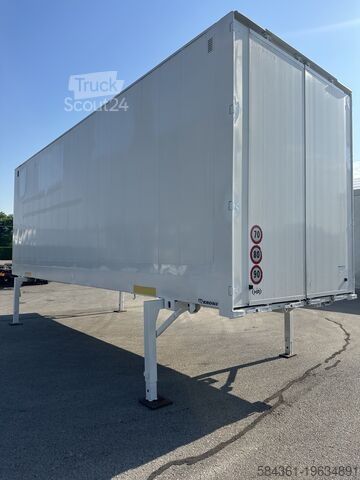
Shipping Containers for Sale: The Complete Buyer’s Guide
If you’re scrolling through listings for shipping containers for sale, chances are you already know that these steel boxes are more than just cargo carriers. From pop‑up cafés to on‑site workshops, from secure storage to affordable housing, a shipping container can become the backbone of a new business, a DIY project, or a clever solution to a space problem.
In this post you’ll discover what to look for, how to pick the right size, where to buy, and how much you should expect to spend. All of the information is presented in a practical, second‑person voice so you can make decisions with confidence.
1. Why Consider a Shipping Container?
| Benefit | How It Helps You |
|---|---|
| Durability | Made from corten steel, containers resist rust, corrosion and harsh weather for decades. |
| Mobility | A 20‑ft container can be moved by a single truck; a 40‑ft unit fits on a standard flatbed. |
| Security | Heavy‑duty lock points and welded doors make theft difficult. |
| Modularity | Stack two or three units to create multi‑story structures without extra foundations. |
| Cost‑Efficiency | New containers start around $3,000‑$4,000, while used units can be half that price. |
| Fast Deployment | You can have a container on site within days, compared with weeks for a traditional building. |
If any of these points line up with your goals—whether you need a temporary office, a secure garage, or a tiny home prototype—a shipping container could be the answer.
2. Types of Containers You’ll Find For Sale
- Dry (General‑Purpose) Containers – The most common 20‑ft and 40‑ft boxes, used for everything except temperature‑sensitive cargo.
- High‑Cube Containers – Same footprint as a standard dry container, but with an extra 1‑foot of interior height (9′6″ vs 8′6″). Ideal for standing workspaces.
- Reefer (Refrigerated) Containers – Insulated and equipped with a cooling unit; great for food‑service or laboratory applications.
- Open‑Top Containers – No permanent roof; perfect when you need top loading with a crane.
- Flat‑Rack Containers – Side walls are removed, leaving a skeletal frame for oversized loads such as machinery.
Pro tip: If you’re planning to convert a container into a living space, start with a high‑cube or dry container; they are easier to insulate and give you enough headroom for standard doors and windows.
3. Choosing the Right Size
The two most common lengths are 20 feet and 40 feet, but the interior dimensions differ slightly depending on the container’s age and design. Below is a quick reference table you can use while browsing listings.
| Size | Exterior (L×W×H) | Interior (L×W×H) | Usable Volume | Typical Price (Used) |
|---|---|---|---|---|
| 20‑ft Dry | 20′ x 8′ x 8’6″ | 19’4″ x 7’8″ x 7’10” | 1,170 cu ft | $2,500 – $3,500 |
| 20‑ft High‑Cube | 20′ x 8′ x 9’6″ | 19’4″ x 7’8″ x 8’10” | 1,290 cu ft | $3,000 – $4,200 |
| 40‑ft Dry | 40′ x 8′ x 8’6″ | 39’5″ x 7’8″ x 7’10” | 2,340 cu ft | $4,000 – $6,500 |
| 40‑ft High‑Cube | 40′ x 8′ x 9’6″ | 39’5″ x 7’8″ x 8’10” | 2,590 cu ft | $4,800 – $7,500 |
| 40‑ft Reefer | 40′ x 8′ x 8’6″ (insulated) | 39’5″ x 7’8″ x 7’10” | 2,340 cu ft | $7,000 – $12,000 |
Prices are approximate and vary by region, condition, and seller.
When you compare listings, make sure the interior dimensions meet the clearance you need for doors, windows, or interior partitions. A 20‑ft container can be a perfect “mini‑garage,” while a 40‑ft high‑cube often serves as a full‑scale workshop or a pop‑up retail space.
4. Evaluating Condition: What to Inspect
Even a container advertised as “used” can be in pristine shape if the previous owner maintained it well. Here’s a checklist you can use during a site visit or ask the seller to provide photographs:
- Exterior Rust – Look for uniform, superficial corrosion. Deep pitting or large rust patches may require costly repairs.
- Door Functionality – Open and close both doors. Check the hinges, seals, and lock mechanisms for smooth movement.
- Structural Integrity – Spot‑check the corners and welds for cracks or separation.
- Floor Condition – A warped or heavily corroded floor can compromise load capacity.
- Internal Cleanliness – If you’re buying for a conversion, you’ll want an interior free of debris, oil stains, or hazardous residues.
- Certification & Marks – ISO 6346 markings, CSC (Container Safety Convention) plates, and any repair certificates are good indicators of legitimate, road‑worthy units.
Quick tip: Ask the seller for the container’s age (year of manufacture). Most containers have a 15‑year “service life” before they need a major inspection; a newer unit often translates to fewer hidden problems.
5. Pricing Guide: How Much Should You Budget?
Below is a more detailed pricing breakdown, factoring in new, like‑new, good, and fair condition categories. Prices are for U.S. markets in 2024; adjust for local taxes and shipping.
| Condition | 20‑ft Dry | 20‑ft High‑Cube | 40‑ft Dry | 40‑ft High‑Cube |
|---|---|---|---|---|
| New (factory) | $4,500 – $5,500 | $5,500 – $6,500 | $8,000 – $9,500 | $9,500 – $11,000 |
| Like‑New (≤ 1 yr) | $3,800 – $4,400 | $4,500 – $5,200 | $6,800 – $7,500 | $8,000 – $9,000 |
| Good (2‑5 yr, minor wear) | $2,800 – $3,400 | $3,200 – $4,000 | $5,500 – $6,500 | $6,500 – $7,800 |
| Fair (5+ yr, visible wear) | $2,000 – $2,700 | $2,500 – $3,200 | $4,000 – $5,200 | $5,200 – $6,500 |
Additional costs you’ll encounter:
- Delivery & Placement – Depending on distance and site preparation, expect $500‑$2,000.
- Customization – Cutting openings for doors/windows, adding insulation, or installing electrical work can range from $1,000 to $10,000.
- Permits – Some municipalities require building permits for on‑site containers, especially if you plan a permanent structure.
6. Where to Find Shipping Containers for Sale
| Source | Pros | Cons | Typical Price Range |
|---|---|---|---|
| Local Dealers | Hands‑on inspection, quick delivery | May have limited inventory | $3,000 – $7,000 |
| Online Marketplaces (e.g., eBay, Craigslist) | Wide selection, competitive bids | Variable condition, scams possible | $2,000 – $9,000 |
| Specialized Container Companies | Certified units, warranty options | Higher price, longer lead times | $4,000 – $10,000 |
| Port Auctions | Access to surplus or damaged units at low cost | Requires refurbishing, limited locations | $1,500 – $5,000 |
| Direct from Shipping Lines | New‑to‑market containers, bulk discounts | Minimum order quantities, paperwork | $4,500 – $8,000 |
When you reach out, ask for photos of the exact unit, a load‑capacity certification, and whether the seller offers delivery logistics (e.g., a crane and transport truck).
7. Shipping & Delivery: Getting the Container to Your Site
- Measure Access Points – Verify that your driveway or loading dock can accommodate the container’s width, height, and length.
- Select a Transport Provider – Look for a company with experience in “container haulage.” Many container dealers partner with third‑party logistics firms.
- Secure a Placement Permit – If you’re putting the container on public land (or a shared driveway), the local authority may require a temporary placement permit.
- Plan Ground Preparation – A level, compacted surface (concrete pad or compacted gravel) prevents settlement and eases future modifications.
- Schedule Unloading – Most providers include a “drop‑off” service; you’ll still need to position the container using a forklift or a small crane.
8. Maintaining Your Container: Simple Steps for Longevity
- Inspect Annually – Check for new rust, door seal wear, and any structural cracks.
- Apply Protective Coating – A light spray of rust‑inhibiting paint every 5‑7 years keeps the steel looking fresh.
- Seal Gaps – Use silicone or weather‑strip tape around doors and any added openings to improve insulation.
- Control Moisture – If you plan to store items, add a dehumidifier or use moisture‑absorbing packets.
A well‑maintained container can serve you for 20+ years, whether it remains a storage unit or evolves into a fully‑fitted workspace.
9. Frequently Asked Questions (FAQ)
| Question | Answer |
|---|---|
| What is the typical load capacity of a 20‑ft container? | A standard 20‑ft dry container is rated for a maximum payload of about 28,000 lb (12,700 kg), though the tare weight (empty container) is roughly 5,000 lb. |
| Do I need a permit to place a container on my property? | It depends on local zoning laws. Many residential areas allow a container as an outbuilding without a permit, but commercial or multi‑family properties often require a building permit. |
| Can I stack containers on top of each other? | Yes. A 40‑ft container can support up to two additional containers (three high total) if the foundation is engineered for the load. |
| How do I insulate a container for living space? | Common approaches include spray‑foam insulation on the interior walls, rigid foam board panels, or a combination of batt insulation with a vapor barrier. Remember to install a proper HVAC system to manage temperature and humidity. |
| Is a used container cheaper than buying new? | Generally, a used container can be 30‑50 % less expensive than a brand‑new one, but factor in any needed repairs or upgrades. |
| What’s the difference between a “dry” and a “reefer” container? | A dry container is uninsulated and used for general cargo. A reefer (refrigerated) has built‑in insulation and a powered cooling unit, making it more expensive but essential for temperature‑sensitive goods. |
| Can I modify a container without voiding its certification? | Minor modifications (adding doors, windows, interior framing) typically do not affect the CSC plate, but major structural changes could. Keep documentation of any alterations for future resale or compliance checks. |
| How long does delivery usually take? | For domestic purchases, most dealers can have a container on site within 3‑7 business days after payment. International orders may take 2‑4 weeks, depending on shipping routes and customs clearance. |
10. Final Thoughts: Turning a Shipping Container Into Your Next Asset
You’ve now got a solid foundation to evaluate shipping containers for sale with confidence. Remember:
- Define the purpose first – storage, workspace, retail, or residence. Your goal determines the type, size, and condition you need.
- Inspect meticulously – a quick visual check can save you thousands in unexpected repairs.
- Budget for the whole project – purchase price is just the start; consider delivery, site prep, and any custom work.
- Check local regulations – a simple permit might be the difference between a smooth installation and a costly delay.
When you line up the right container, you’re not just buying a metal box; you’re acquiring a versatile platform that can grow with your ideas. Whether you’re a small‑business owner looking for an affordable storefront, a DIY enthusiast building a backyard studio, or a property manager needing secure storage, the container market offers a breadth of options to suit virtually any budget.
Take the next step: browse local dealers, compare listings against the tables above, and start visualizing how a shipping container could fit into your plans. With the right research and a keen eye for condition, you’ll turn that steel shell into a valuable, long‑lasting asset—one that’s as adaptable as the imagination that shapes it.
Ready to start your container hunt? Bookmark this guide, print the tables for quick reference, and feel free to reach out in the comments if you have any lingering questions. Happy hunting!