Container Homes in the UK: A Practical Guide for Prospective Builders
If you’ve ever dreamed of a sleek, eco‑friendly dwelling that’s quicker to erect than a traditional house, a container home might be the answer. This guide walks you through everything you need to know—from planning permission to budgeting—so you can decide whether a shipping‑container residence is right for you.
1. What Is a Container Home?
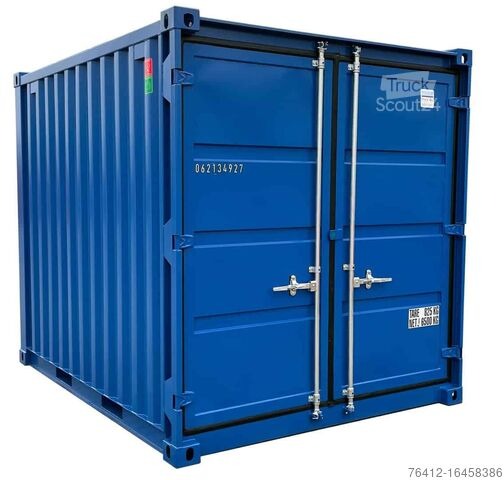
A container home is a habitable structure built primarily from one or more steel shipping containers (the 20‑foot or 40‑foot “ISO” containers you see stacked on cargo ships). The containers provide a sturdy, weather‑proof shell, while interior fit‑outs turn the metal box into a comfortable living space.
| Feature | Typical Shipping Container | Modified for Residential Use |
|---|---|---|
| Dimensions (20‑ft) | 20 ft L × 8 ft W × 8.5 ft H (≈ 1,360 L) | Insulated walls, added windows/doors |
| Dimensions (40‑ft) | 40 ft L × 8 ft W × 8.5 ft H (≈ 2,720 L) | Split into two rooms, mezzanine, etc. |
| Structural Strength | Designed to carry 30‑ton loads | Retains load‑bearing capacity |
| Off‑site Fabrication | Built in shipyards | Often pre‑fitted with wiring, plumbing |
| Typical Cost (UK) | £2,500–£3,500 per container (bare) | £30,000–£80,000 for a complete 2‑bed unit |
The appeal lies in the blend of speed, durability, and sustainability. In the UK, where planning permission can be a lengthy process and land prices are high, container homes present a compelling alternative.
2. Why Consider a Container Home in the UK?
2.1 Speed of Construction
- Turnkey time: A basic 40‑ft container can be placed on a foundation within 1–2 weeks. Interior fit‑out (plumbing, insulation, finishes) adds another 4–8 weeks.
- Weather‑resilience: Steel frames are not affected by damp or rot—an advantage in the UK’s rainy climate.
2.2 Sustainability
- Recycling: You’re repurposing a product that would otherwise be scrapped.
- Energy efficiency: When combined with high‑performance insulation and renewable energy (solar PV, heat pumps), container homes can achieve low carbon footprints.
2.3 Cost‑Effectiveness
While a high‑spec traditional build can exceed £1,500 per square metre, a container home typically ranges between £1,200‑£1,800 per square metre, depending on finish level and site preparation.
2.4 Design Flexibility
Stack, combine, cut, and retrofit. You can create a single‑story tiny house, a two‑storey family home, or a modular office space—all by adding or rearranging containers.
3. Legal Landscape: Planning Permission & Building Regulations
3.1 Planning Permission
In England, Wales, and Scotland, planning permission is usually required for new dwellings, regardless of construction method. However, many local authorities treat container homes as “modular” or “prefabricated” dwellings, which can streamline the process.
| Region | Typical Process | Approx. Timeline |
|---|---|---|
| England (e.g., London, South East) | Submit Design & Access Statement | 8–12 weeks |
| Wales (e.g., Cardiff) | Pre‑application advice strongly encouraged | 6–10 weeks |
| Scotland (e.g., Edinburgh) | Emphasis on sustainability; fast‑track for “self‑build” | 8–12 weeks |
| Northern Ireland | Similar to England, but with a focus on rural development | 10–14 weeks |
Tips for a smoother application:
- Site analysis – Provide evidence that the container home meets local design guidelines (height, visual impact).
- Energy performance – Include SAP (Standard Assessment Procedure) calculations; many councils favour low‑carbon designs.
- Neighbour consultation – Early outreach can pre‑empt objections.
3.2 Building Regulations
The UK Building Regulations (Approved Document B, Part L, Part F, etc.) still apply. Fortunately, containers already meet many structural requirements; the main challenges are:
| Regulation | What You Must Address | Typical Solutions |
|---|---|---|
| Fire safety (Part B) | Containment of fire spread, escape routes | Spray‑applied fire‑retardant coatings, internal fire‑resistant partitions |
| Thermal performance (Part L) | U‑value ≤ 0.21 W/m²K for walls | R‑insulated panels, external cladding |
| Ventilation (Part F) | Adequate fresh air supply | Mechanical ventilation with heat recovery (MVHR) |
| Accessibility (Part M) | Ramps, doorway widths if intended for public use | Design to meet “reasonable adjustment” standards |
A qualified architect or building surveyor experienced with modular construction can prepare the necessary “Certificates of Compliance” and “Completion Notices.”
4. Cost Breakdown: From Container to Completed Home
Below is a realistic budget for a standard 2‑bedroom container home (approximately 60 sqm) built on a modest rural plot.
| Item | Description | Approx. Cost (GBP) | % of Total |
|---|---|---|---|
| Land acquisition | 0.5 acre plot (rural) | £30,000 | 25% |
| Foundation | Concrete strip or pile foundation | £8,000 | 7% |
| Containers (2×40‑ft) | Bare steel, delivered | £6,000 | 5% |
| Structural modifications | Cutting, reinforcement, roof | £12,000 | 10% |
| Insulation & cladding | Spray‑foam + external timber cladding | £10,000 | 8% |
| Plumbing & Electrical | Full service (kitchen, bathrooms) | £9,000 | 7% |
| Interior finish | Flooring, kitchens, bathrooms | £15,000 | 13% |
| Renewable tech | Solar PV (2 kW) + battery storage | £8,000 | 7% |
| Professional fees | Architect, surveyor, planning consultant | £6,000 | 5% |
| Contingency (10%) | Unexpected works | £9,000 | 8% |
| Total | £119,000 | 100% |
Note: Costs vary significantly with location, ground conditions, and finish quality. Urban sites usually demand higher land costs and may require more elaborate foundations.
5. Design Ideas: Popular Layouts & Features
5.1 Layout Options (Choose One or Combine)
- Single‑Container Studio – Ideal for tiny‑house enthusiasts (≈ 20 sqm). One open plan with a lofted sleeping area.
- Dual‑Container Side‑By‑Side – Two 40‑ft containers placed horizontally, offering a spacious living‑dining area with a separate bedroom.
- Stacked “L‑Shape” – One container on the ground floor (kitchen + bathroom) and a second stacked on top (living area + bedroom). Perfect for sloping plots.
- Multi‑Story “Tower” – Three or more containers stacked, creating a vertical home with mezzanine levels and rooftop terrace.
5.2 Must‑Have Features for UK Living
| Feature | Why It Matters | Suggested Product |
|---|---|---|
| High‑Performance Insulation | Mitigates heat loss in winter | Rockwool or PIR board, 150 mm thickness |
| Double‑Glazed Windows | Reduces drafts, improves energy rating | uPVC or timber‑frame, low‑E coating |
| Heat Pump + Underfloor Heating | Low‑carbon heating solution | Air‑source heat pump with smart thermostat |
| Rainwater Harvesting | Cuts mains water use | 2,000‑L storage tank + filtration |
| Solar PV + Battery | Off‑grid potential, lower bills | 4 kW array + 10 kWh lithium battery |
6. Step‑by‑Step: How to Build Your Container Home
- Secure a Plot – Look for sites with easy road access and utility connections.
- Conduct a Feasibility Study – Soil test, flood risk assessment, and local planning guidelines.
- Hire Professionals – Architect (with modular experience), structural engineer, and a specialist container‑builder.
- Design & Planning Submission – Provide detailed drawings, energy calculations, and a site‑specific design statement.
- Obtain Planning Permission & Building Reg Approvals – Allow 2–3 months for the process.
- Prepare Foundations – Typically a strip footing or precast pad; ensure level, drainage, and anchoring points.
- Deliver & Position Containers – Crane the containers onto the foundation; bolt them together securely.
- Structural Modifications – Cut openings for doors/windows, reinforce where needed, add roof extensions.
- Install Services – Run plumbing, electrical, and HVAC systems; connect to mains or install off‑grid alternatives.
- Insulate & Clad – Apply internal insulation, then external cladding (timber, metal panels, or brick veneer).
- Finish Interiors – Fit kitchen cabinets, bathroom suites, flooring, and lighting.
- Final Inspection & Certification – Building Control will issue a Completion Certificate once compliance is verified.
- Move In! – Celebrate your new, sustainable home.
7. Real‑World Examples (UK)
| Project | Location | Size (sqm) | Containers Used | Year Completed | Notable Feature |
|---|---|---|---|---|---|
| The Box | Norfolk | 45 | 2×40‑ft | 2022 | Fully off‑grid with solar + rainwater |
| Brixton Bungalow | London | 30 | 1×40‑ft | 2021 | Integrated green roof, urban infill |
| Highland Retreat | Inverness | 78 | 3×40‑ft (L‑shape) | 2023 | Timber cladding & heated floor |
| Eco‑Pod | Bristol | 25 | 1×20‑ft | 2020 | Self‑contained tiny house, rentable via Airbnb |
These case studies show how versatile container homes can be, from city‑side micro‑apartments to countryside retreats.
8. Frequently Asked Questions (FAQ)
| Question | Answer |
|---|---|
| Do I need planning permission for a container home? | Yes, in most UK regions you must apply for planning permission. Some councils have streamlined routes for modular dwellings, but you’ll still need to submit a design and access statement. |
| Is a container home safe in severe weather? | Absolutely. Shipping containers are designed to withstand heavy loads and high winds. Proper anchoring and a solid foundation are essential for UK storm conditions. |
| How long does construction take? | From foundation to move‑in, a typical 2‑bedroom unit takes 3–5 months, far quicker than a conventional build (12–18 months). |
| Can I expand later? | Yes. One of the biggest advantages is modularity—you can add another container or stack vertically as your needs change. |
| What about insulation? | Steel conducts heat, so you’ll need high‑performance insulation on walls, roof, and floor. Spray‑foam, PIR boards, or vacuum‑insulated panels are common choices. |
| Are container homes affordable? | When factoring land, foundation, and finish costs, a container home often costs 10‑30 % less per square metre than a traditional build, especially for smaller footprints. |
| Do I need a specialist builder? | It’s advisable. While you can purchase a bare container, modifying it (cutting openings, reinforcing, fitting services) requires expertise in steelwork and modular construction. |
| Can I get a mortgage for a container home? | Many lenders treat container homes like any other residential property, provided you have a Completion Certificate and the home is registered with the Land Registry. |
| Is resale value a concern? | As the market for sustainable housing grows, well‑designed container homes have shown comparable resale values to conventional homes in similar locations. |
| What are the environmental benefits? | You’re re‑using existing steel, reducing waste, and often incorporating renewable energy and water‑saving technologies, resulting in a lower embodied carbon than a brick build. |
9. Final Thoughts
Choosing a container home in the UK can feel like stepping into a futuristic, yet grounded, lifestyle. You gain speed, sustainability, and design flexibility—all while potentially saving money compared with traditional construction.
However, success hinges on diligent planning: secure a suitable plot, engage professionals familiar with modular building, and navigate the planning & building regulation process early. With the right approach, you’ll be turning a steel box into a warm, stylish haven in a fraction of the time you’d expect.
Ready to start? Begin by sketching your dream layout, then schedule a quick consultation with a local architect who specializes in container conversions. The ship may have set sail, but your new home could be docking on your land sooner than you think.
Happy building!