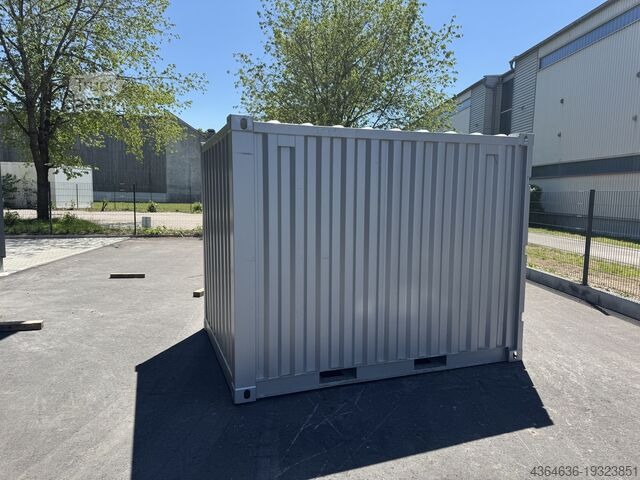
The Ultimate Guide to Buying a Container for Sale
Whether you’re an entrepreneur looking to create a pop‑up store, a contractor needing a secure storage solution, or a homeowner dreaming of a backyard office, buying a container can be a game‑changer. The market is flooded with options—standard 20‑ft shipping containers, insulated “cold‑store” units, high‑cube containers, and even fully‑fitted office pods.
In this guide you’ll discover:
| What you’ll learn | Why it matters to you |
|---|---|
| How to choose the right size & type | Saves you money and space |
| Where to buy containers for sale (online & offline) | Avoids scams and hidden fees |
| What to watch out for in condition reports | Prevents costly repairs |
| Financing & delivery options | Makes budgeting easier |
| Frequently asked questions | Clears up lingering doubts |
By the end, you’ll have a step‑by‑step roadmap that turns the seemingly overwhelming task of purchasing a container into a smooth, confidence‑boosting experience.
1. Understanding the Different Types of Containers
Containers are not one‑size‑fits‑all. Below is a quick‑reference table that outlines the most common varieties you’ll encounter when you search for “container for sale”.
| Container Type | Typical Dimensions (L × W × H) | Key Features | Best Use Cases |
|---|---|---|---|
| Standard 20‑ft Dry Box | 20’ × 8’ × 8’ 6″ | Steel walls, basic ventilation, no insulation | Small warehouse storage, tools, spare parts |
| Standard 40‑ft Dry Box | 40’ × 8’ × 8’ 6″ | Same construction as 20‑ft, double the volume | Large inventories, machinery, bulk goods |
| High‑Cube 40‑ft | 40’ × 8’ × 9’ 6″ | Extra foot of interior height | Stacking pallets, tall equipment, office fit‑outs |
| Refrigerated (Reefer) | 20‑ft or 40‑ft | Insulated walls, built‑in cooling unit | Food distribution, pharmaceuticals, perishable goods |
| Open‑Top | 20‑ft or 40‑ft | Removable roof, reinforced frame | Oversized cargo, construction materials |
| Flat‑Rack | 20‑ft or 40‑ft | Collapsible side walls, reinforced deck | Heavy machinery, vehicles, steel beams |
| Modified Office Pod | Custom (usually 20‑ft) | Windows, doors, internal partitions, HVAC | On‑site offices, classrooms, pop‑up shops |
Pro tip: If you intend to convert the container into a livable or work space, start with a high‑cube or a modified office pod. The extra headroom makes insulation and interior finishes far easier.
2. How to Determine the Right Size for Your Project
Step‑by‑Step Size Calculator
- Make a list of what you’ll store or build inside.
- Example: “Three 44‑gal drums, a workbench, and a small filing cabinet.”
- Measure each item (L × W × H) and add a 6‑inch clearance on all sides for walking space.
- Add up the total cubic footage.
- Drum: 3 ft × 3 ft × 4 ft = 36 ft³ × 3 = 108 ft³
- Workbench: 6 ft × 2 ft × 3 ft = 36 ft³
- Filing cabinet: 2 ft × 1 ft × 4 ft = 8 ft³
- Total = 152 ft³
- Compare with container internal volumes:
| Container | Internal Volume (ft³) |
|---|---|
| 20‑ft Dry Box | 1,170 |
| 40‑ft Dry Box | 2,390 |
| 40‑ft High‑Cube | 2,690 |
| 20‑ft Reefer | 1,100 |
Since 152 ft³ is a fraction of even a 20‑ft box, you could comfortably fit your items in a standard 20‑ft container with plenty of room for future expansion.
Quick‑Pick List
- < 500 ft³ → 20‑ft container
- 500 – 1500 ft³ → 40‑ft standard
- > 1500 ft³ → 40‑ft high‑cube or multiple units
3. Where to Find Containers for Sale
You have three primary avenues:
| Channel | Advantages | Potential Drawbacks |
|---|---|---|
| Online Marketplaces (e.g., eBay, Alibaba, ContainerAuction) | Wide selection, price comparison tools, customer reviews | Variable seller reliability, shipping logistics can be complex |
| Local Depots & Port Yards | Immediate inspection, lower transport cost, often cheaper | Limited inventory, may require negotiation in person |
| Specialist Dealers (e.g., Mobile Mini, PODS, local container brokers) | Professional delivery, refurbishment options, financing packages | Premium pricing, upsell of accessories |
How to vet a seller:
- Check the business’s registration (e.g., D‑U‑N‑S number, local chamber of commerce listing).
- Request a photographic condition report and a certificate of origin.
- Look for customer testimonials that specifically mention after‑sale support and delivery timeliness.
4. What to Inspect Before You Buy
Even a brand‑new container can hide issues that become costly headaches later. Use this checklist during an on‑site inspection (or ask the seller for a video walkthrough if you’re buying online).
| Inspection Item | What to Look For |
|---|---|
| Exterior Corrosion | Rust spots, especially on corners and weld seams |
| Floor Condition | Pitting, cracks, water pooling |
| Door Seals & Gaskets | Intact rubber seals, smooth operation, no gaps |
| Structural Deformations | Bowed walls, twisted frames |
| Ventilation & Louver Condition | No broken louvers, clear openings |
| Certification Labels | CSC (Container Safety Certificate) plate, ISO 668 marking |
| Modification History | Verify any cuts, windows, or insulation have been performed by a reputable contractor |
If any red flags appear, request a detailed repair quote before committing.
5. Financing, Delivery, and Installation
A. Financing Options
| Option | Typical Terms | Best For |
|---|---|---|
| Cash Purchase | 0% interest, immediate ownership | Small businesses, individuals with capital |
| Bank Loan | 3‑5 % APR, 3‑5‑year term | Larger projects, credit‑worthy buyers |
| Leasing/Operating Lease | Monthly payments, optional buy‑out | Short‑term events, seasonal storage |
| Dealer Financing | Often 0‑2 % promotional rates | First‑time buyers, when bundled with delivery |
B. Delivery Logistics
- Standard Delivery: Most dealers include port‑to‑site transport for containers under 40 ft within a 150‑mile radius. Expect a fee of $150‑$300 per mile beyond that.
- Cranedrop Installation: If you need the container placed on a concrete pad or within a fenced area, ask for crane service. Prices range from $500‑$1,200 depending on height and site access.
- Permitting: Some municipalities require a temporary use permit for a container on a residential lot. Check your local zoning office before finalizing delivery.
C. Optional Up‑Fit Packages
| Package | Inclusions | Approx. Cost |
|---|---|---|
| Basic Office Fit‑Out | Insulation, drywall, single door, HVAC, basic lighting | $7,000‑$12,000 |
| Retail Pop‑Up | Glass storefront, interior shelving, signage brackets | $9,000‑$15,000 |
| Cold‑Storage Ready | Pre‑installed reefers, temperature monitoring, insulated doors | $15,000‑$22,000 |
| Eco‑Convert | Solar panels, rainwater catch‑system, green roof | $10,000‑$18,000 |
6. Real‑World Success Stories (Inspiration)
| Business | Container Type | Purpose | ROI Highlights |
|---|---|---|---|
| BrewBox Café (Portland, OR) | 40‑ft high‑cube, custom‑fit | Coffee shop & micro‑brewery | 30 % increase in foot traffic, 2‑year payback |
| Eco‑Repair Garage (Austin, TX) | 20‑ft dry box, insulated | Mobile auto repair bay | Saved $8,000 in rent, ability to serve 4‑day pop‑up events |
| FarmFresh Cold Store (Iowa) | 40‑ft reefer, refurbished | Seasonal produce storage | Reduced spoilage by 45 %, extended market season by 3 months |
Take note of the common thread: each entity chose a container that matched its functional need, invested in a modest up‑fit, and leveraged the flexibility of a portable structure to boost profitability.
7. Frequently Asked Questions
Q1: Are used containers safe for residential conversion?
A: Yes, provided they have a current CSC (Container Safety Certificate) and you address any structural rust or corrosion. A professional inspection and proper insulation are essential for habitability.
Q2: How long does it take to receive a container after ordering?
A: For standard stock containers, delivery can be as quick as 3‑5 business days. Customized or overseas‑sourced units may take 4‑8 weeks.
Q3: Can I stack containers on top of each other?
A: Absolutely, but you must follow ISO stacking guidelines (usually up to 9 containers high for 20‑ft units). Consult a structural engineer if you plan a permanent stacked configuration.
Q4: What maintenance does a container require?
A: Annual inspections for rust, repainting of any corroded panels, lubricating door hinges, and checking seal integrity. If you live in a coastal area, schedule bi‑annual salt‑wash cleaning.
Q5: Is financing a container considered a capital expense?
A: Generally, yes. If the container is used for business purposes, you can depreciate it over a 5‑year MACRS schedule (U.S. tax code). Consult your accountant for exact treatment.
Q6: Do I need a building permit?
A: It varies. A temporary structure (less than 6 months) often does not require a permit, while a permanent installation usually does. Check with local building authorities.
8. Quick‑Start Checklist – Your 7‑Step Path to Purchasing a Container
- Define your purpose (storage, office, retail, etc.).
- Calculate required volume using the size calculator.
- Choose container type from the comparison table.
- Locate reputable sellers and request condition reports.
- Inspect the unit (or review a detailed video walkthrough).
- Arrange financing & delivery—confirm dates, fees, permits.
- Plan the fit‑out (DIY vs. professional) and schedule the installation.
Print this list, tick each box, and you’ll cross the finish line with confidence.
9. Final Thoughts: Why a Container Could Be Your Next Smart Investment
You’ve now armed yourself with the knowledge to navigate the container market like a pro. The key advantages—affordability, durability, mobility, and adaptability—make containers a standout solution for a myriad of modern needs.
When you purchase a container for sale, you’re not just buying steel walls; you’re acquiring a blank canvas that can evolve alongside your business or personal projects. With the right size, condition, and up‑fit, that container can become:
- A low‑cost warehouse that scales with inventory.
- A stylish storefront that draws in foot traffic without a long‑term lease.
- A cozy home office that eliminates commute time and boosts productivity.
So, the next time you hear someone say, “I need more space,” you’ll be ready to answer, “How about a container?”
Ready to start your search? Use the tables and checklists above, reach out to a trusted dealer, and watch your vision materialize—one steel box at a time. Happy container hunting!