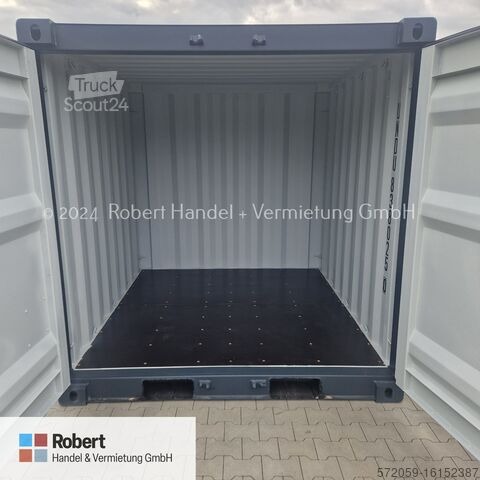
How to Buy a Shipping Container: A Complete Guide for First‑Time Buyers
If you’ve ever imagined turning a steel box into a backyard office, a pop‑up shop, or even a tiny home, the answer is simple: buy a shipping container. The market is flooded with options, but navigating the sea of sizes, conditions, and sellers can feel overwhelming. This guide walks you through every step—what to look for, how to price‑compare, where to purchase, and what to do after the container arrives—so you can make a confident, cost‑effective decision.
1. Why Purchase a Shipping Container?
| Benefit | How It Helps You |
|---|---|
| Durability | Made of C‑rated steel, containers resist corrosion, weather, and impact for decades. |
| Portability | Standard dimensions fit onto trucks, railcars, and ships, making relocation a breeze. |
| Affordability | Compared with building a permanent structure, a container can be 30‑70 % cheaper. |
| Versatility | Convert into offices, workshops, storage units, pop‑up retail, or homes. |
| Security | Heavy steel walls and lockable doors deter theft and vandalism. |
If any of these points line up with your project goals, buying a container may be the smartest move you make this year.
2. Types of Shipping Containers You’ll Encounter
| Type | Typical Dimensions (L × W × H) | Common Use | Key Features |
|---|---|---|---|
| Standard Dry Container | 20 ft (6.1 m) × 8 ft (2.44 m) × 8.5 ft (2.59 m) | General cargo, storage, conversion | Fully sealed, weather‑proof |
| High‑Cube Dry Container | 40 ft (12.2 m) × 8 ft × 9.5 ft (2.90 m) | Extra height needed (e.g., workshops) | 1 ft taller than standard |
| Reefer (Refrigerated) Container | 40 ft × 8 ft × 8.5 ft | Cold‑chain transport, climate‑controlled spaces | Insulated walls, built‑in refrigeration unit |
| Open‑Top Container | 20 ft × 8 ft × 8.5 ft (no roof) | Oversized cargo, loading from above | Removable tarpaulin cover |
| Flat‑Rack Container | Varies, with collapsible side frames | Heavy machinery, construction materials | No side walls, easy for oversized loads |
Quick tip: For most conversion projects, a 20‑ft standard dry container or a 40‑ft high‑cube offers the best balance of space, cost, and modularity.
3. Key Factors to Evaluate Before You Click “Buy”
- Condition Rating
- New (Brand‑New) – Never used, pristine, often comes with a warranty.
- One‑Trip – Used only once; usually in excellent condition.
- As‑Is – May have dents, rust, or missing parts; cheapest but requires refurbishment.
- Size & Layout
- Determine the internal square footage you truly need. Remember that doors, insulation, and internal walls will eat up space.
- Modification History
- Look for containers that haven’t been heavily altered. Cutting doors or windows before purchase can compromise structural integrity.
- Location & Delivery Logistics
- Proximity to the seller affects transport cost dramatically. A container 10 mi away may cost $300 to deliver, while one 200 mi away could be $2,000+.
- Regulatory Compliance
- Check local zoning laws. Some municipalities require a building permit even for a “temporary” container office.
- Future Expansion
- If you plan to stack or join containers later, verify that the container’s corner castings are intact and meet ISO standards.
4. Sample Cost Breakdown (2025 US Market)
| Container Size | Condition | Approx. Price (USD) | Delivery (≤ 50 mi) | Delivery (≥ 200 mi) | Total First‑Year Cost* |
|---|---|---|---|---|---|
| 20‑ft Standard | New | $3,200 | $300 | $2,200 | $5,500 |
| 20‑ft Standard | One‑Trip | $2,300 | $300 | $2,200 | $4,800 |
| 20‑ft Standard | As‑Is | $1,200 | $300 | $2,200 | $3,700 |
| 40‑ft High‑Cube | New | $5,800 | $400 | $2,500 | $8,800 |
| 40‑ft High‑Cube | One‑Trip | $4,400 | $400 | $2,500 | $7,300 |
| 40‑ft High‑Cube | As‑Is | $2,500 | $400 | $2,500 | $5,400 |
*Includes typical cost for basic insulation and a lock set. Your actual total will vary based on modifications, permits, and site‑prep work.
5. Where to Find Shipping Containers
| Source | Pros | Cons | Typical Price Range |
|---|---|---|---|
| Local Port / Freight Yard | Low price, bulk options | May require a broker, limited inspection time | $1,200‑$5,800 |
| Specialized Container Dealers | Certified condition reports, financing | Slightly higher cost, limited inventory | $2,300‑$6,500 |
| Online Marketplaces (e.g., eBay, ContainerAuction) | Wide geographic reach, quick listings | Shipping logistics left to you, variable seller reliability | $1,500‑$7,000 |
| Container Leasing Companies (Buy‑back options) | Trade‑in programs, maintenance support | Higher upfront cost, lease‑to‑own contracts | $2,500‑$8,000 |
| Industrial Surplus Stores | Often include accessories (door hinges, pallets) | May be “as‑is” with hidden damage | $1,200‑$4,000 |
Pro tip: Start by calling the nearest port authority. Many ports have “container farms” where they store de‑manded units; you can negotiate a bulk discount if you need more than one.
6. Step‑by‑Step Checklist: How to Buy a Container
- Define Your Project Scope – Sketch out dimensions, intended use, and any required modifications.
- Set a Budget – Include container price, delivery, permits, and conversion costs.
- Research Suppliers – Use the table above to shortlist three reputable sources.
- Request Condition Reports – Ask for ISO inspection certificates, rust grades, and photographs of interior/exterior.
- Visit (If Possible) – A quick visual inspection can reveal hidden dents, rust spots, or misaligned doors.
- Negotiate Price & Delivery – Bundle delivery with nearby purchases to lower per‑unit transport cost.
- Finalize Financing – Many dealers offer 0‑% financing for 12‑24 months; compare against a small business loan if you need more cash flow.
- Sign a Purchase Agreement – Ensure the contract lists container dimensions, condition rating, delivery date, and any warranties.
- Arrange Site Preparation – Level the foundation (concrete pads, steel posts) and secure utilities if needed.
- Inspect Upon Arrival – Verify the container matches the condition report; note any new damage before signing off.
- Start Conversion – Install insulation, windows, electric, and interior walls according to local building codes.
7. Maintenance Tips to Keep Your Container in Top Shape
- Rust Prevention: Apply a marine‑grade anti‑corrosion paint to any exposed seams every 3‑5 years.
- Seal Checks: Inspect door gaskets monthly; replace cracked seals to maintain weather‑tightness.
- Ventilation: Install passive vents or a small solar‑powered exhaust fan to avoid condensation inside.
- Floor Protection: Use a rubber mat or epoxy coating on the interior floor to prevent moisture damage.
- Structural Inspection: Every 12 months, verify that corner castings and cross‑members are not bent or cracked, especially after heavy wind events.
8. Frequently Asked Questions (FAQ)
Q1: Can I buy a container online and have it shipped to my driveway?
A: Absolutely. Most online platforms allow you to select a “door‑to‑door” service. Be sure to verify the seller’s delivery coverage area and ask for a detailed quote that includes lift‑gate fees and any required permits for oversized loads.
Q2: How long does it take to receive a container after purchase?
A: Lead times vary. New containers from manufacturers may take 4‑6 weeks, while used containers from a local yard can be delivered within 3‑7 days once payment is cleared.
Q3: Do I need a building permit to place a container on my property?
A: It depends on local zoning regulations. Many municipalities treat a container as a “temporary structure,” but if you intend to habitually occupy it (e.g., as a home or office), a permit is usually required. Check with your city’s planning department before purchase.
Q4: What is the difference between a 20‑ft and a 40‑ft container in terms of load capacity?
A: Both container sizes have the same maximum gross weight of about 30,480 lb (13,800 kg). However, a 40‑ft container distributes that weight over a larger floor area, reducing stress on any single point and making it easier to load heavy items.
Q5: Can I stack containers on top of each other?
A: Yes, ISO standards allow stacking up to eight 40‑ft containers (or ten 20‑ft units) when they’re in good condition. Ensure the foundation can bear the cumulative load and that the corners are undamaged.
Q6: How much does it cost to insulate a container?
A: Roughly $3‑$5 per square foot for spray foam insulation, or $1.50‑$2.50 per square foot for rigid board plus labor. A 20‑ft container (≈ 1,172 sq ft interior) typically runs $3,500‑$6,000 for a decent insulation package.
9. Real‑World Examples: What Others Have Built
| Project | Container Size | Primary Use | Notable Features |
|---|---|---|---|
| Backyard Office | 20‑ft Standard | Home office | Floor‑to‑ceiling glass wall, solar panel roof, HVAC mini‑split |
| Micro‑Warehouse | 40‑ft High‑Cube | Storage for e‑commerce | Roll‑up doors, RFID inventory system, pallet racking |
| Pop‑Up Café | Two 20‑ft Open‑Top (joined) | Food service | Insulated walls, glass storefront, outdoor seating under a fabricated canopy |
| Tiny Home | 40‑ft High‑Cube | Residential | Full plumbing, composting toilet, loft bedroom, interior finishes identical to conventional homes |
These case studies illustrate the flexibility of a simple steel box. No matter your ambition, the right container can be the foundation—literally and figuratively—of your next project.
10. Final Thoughts
Buying a shipping container is more than just a purchase; it’s the first step toward a new, adaptable space that can evolve with your needs. By understanding the types, conditions, costs, and logistics outlined above, you’ll arrive at the dealer with a clear set of questions and a realistic budget. Once the container rolls onto your property, the real fun begins: designing, customizing, and watching that steel shell transform into a functional asset.
Ready to make the move? Grab a notebook, run through the checklist, and start reaching out to local ports or container dealers today. In a few short weeks, you could be standing in front of a brand‑new steel structure, poised to turn your vision into reality.
Happy building!