The Complete Guide to Renting Self‑Storage Containers
If you’re staring at a cluttered garage, a packed attic, or a moving truck that’s bursting at the seams, you’ve probably wondered whether a self‑storage container could be the missing piece in your organization puzzle. In this post you’ll learn what a storage container is, how it differs from a traditional storage unit, what to look for when you rent one, and how to make the most of the space you pay for.
Below you’ll find a step‑by‑step checklist, a handy comparison table, and an FAQ that answers the most common concerns. By the end, you’ll be able to walk into any storage‑container facility with confidence—and the right container for your needs.
1. What Exactly Is a Self‑Storage Container?
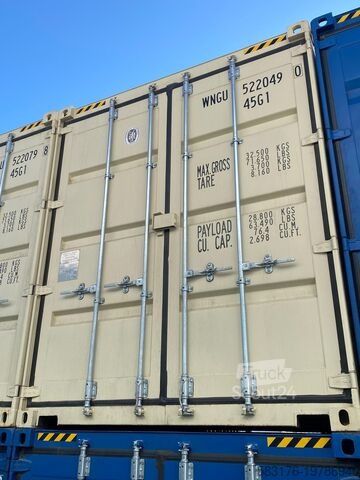
A self‑storage container is a portable, steel‑framed box that you can rent on a short‑ or long‑term basis. Unlike a classic storage unit that lives inside a climate‑controlled building, a container sits outside—on your driveway, a parking lot, or a dedicated storage yard. The container remains the property of the storage company, but you have exclusive access to it for the duration of your lease.
Key characteristics
| Feature | Self‑Storage Container | Traditional Indoor Unit |
|---|---|---|
| Location | Delivered to your site or placed in a yard | Inside a warehouse or climate‑controlled building |
| Size Options | 5‑ft to 40‑ft lengths (standard widths 8‑ft, heights 8‑ft) | Usually 5‑ft, 10‑ft, 15‑ft, 20‑ft, 30‑ft |
| Weather Protection | Steel walls, weather‑seal doors, optional climate control | Built‑in temperature/humidity regulation |
| Mobility | Can be moved to a new address or on‑site location | Fixed in place |
| Security | Padlock, high‑strength steel, optional alarm | Gate access, CCTV, on‑site staff |
| Access Hours | 24/7 on‑site access (if you have a key) | Facility hours (often 8‑am – 6‑pm) |
Both options have their own pros and cons; the right choice depends on how you plan to use the space.
2. When Is a Storage Container the Right Choice?
Below is a quick checklist to help you decide if a container fits your situation.
| Situation | Why a Container Makes Sense |
|---|---|
| Moving long‑distance | You can load the container, have the company ship it to your new city, and unload when you arrive. |
| Seasonal equipment | Store lawn‑care gear, snow blowers, or surfboards outdoors without worrying about indoor space caps. |
| Construction or renovation | Keep building materials on‑site for easy access while the work progresses. |
| Business inventory | Small retailers can keep excess stock close to a storefront without renting a full warehouse. |
| Limited indoor storage | If your apartment or house has no spare closet, a container offers a secure off‑site solution. |
If any of the above resonate with you, a self‑storage container is worth a deeper look.
3. How to Choose the Perfect Container Size
The most common container lengths in the United States are 5 ft, 10 ft, 20 ft, and 40 ft. All share the same width (8 ft) and height (8 ft). Below is a practical size‑to‑capacity guide that translates cubic footage into everyday items.
| Container Length | Approx. Inside Volume (cu ft) | Typical Load | Ideal For |
|---|---|---|---|
| 5 ft | 320 | 1‑2 small sofas, a few boxes | Storing a studio‑apartment’s worth of items |
| 10 ft | 640 | 2‑3 midsize sofas, a mattress set, 30‑40 boxes | One‑bedroom apartment or office equipment |
| 20 ft | 1,280 | 4‑5 large sofas, 2‑3 mattresses, 80‑100 boxes | Two‑bedroom home, small business inventory |
| 40 ft | 2,560 | Full house contents, 200+ boxes, vehicle | Whole‑house move, large‑scale commercial stock |
Pro tip: When you’re unsure, start by counting the number of boxes you’ll keep. Most boxes are roughly 1 cu ft; add a safety margin of 15‑20 % for odd‑shaped items.
4. What to Look for in a Storage‑Container Provider
Not all providers are created equal. Below is a list of must‑have criteria you should verify before signing a lease.
- Transparent Pricing – Look for a breakdown that includes monthly rent, security deposit, delivery/pick‑up fees, and any optional climate‑control surcharge.
- Insurance Options – Some companies bundle insurance; others require you to provide proof of coverage. Verify the policy limits.
- Delivery & Placement Flexibility – Can the provider place the container exactly where you need it (e.g., driveway, back yard)?
- Security Features – Heavy‑duty lock, tamper‑evident seals, and optional GPS tracking if you’re concerned about theft.
- Customer Support – 24/7 phone line or chat, easy online portal for invoice access, and clear instructions for extending or terminating the lease.
- Reputation – Check online reviews (Google, Yelp, BBB) for reliability and punctuality.
If a provider checks most of these boxes, you’re likely dealing with a reputable operator.
5. Step‑by‑Step: Renting Your First Container
Below is a concise roadmap that walks you through the entire process, from initial research to moving out.
| Step | Action | Tips |
|---|---|---|
| 1 | Assess your needs – List what you’ll store, estimate volume, decide on climate control. | Use the size guide above. |
| 2 | Research local providers – Use Google, Yelp, and industry directories (e.g., PODS, U‑Haul, Portable Storage). | Keep a spreadsheet of rates and features. |
| 3 | Get quotes – Request a written estimate that includes all fees. | Ask about discounts for longer terms (6‑12 months). |
| 4 | Read the lease – Pay attention to early‑termination clauses, insurance requirements, and access hours. | Highlight any “hidden” fees. |
| 5 | Schedule delivery – Choose a date and confirm placement instructions. | Ensure the driveway is clear of obstacles. |
| 6 | Pack strategically – Label boxes, place heavy items at the bottom, leave a clear aisle for easy retrieval. | Use furniture blankets to protect delicate pieces. |
| 7 | Secure the container – Use the provided lock and double‑check the seal. | Keep a spare key in a safe place. |
| 8 | Set up payments – Opt for automatic monthly billing to avoid late fees. | Save the invoice PDF for tax purposes. |
| 9 | Monitor & maintain – Periodically check for water ingress, pest activity, or rust. | Report any damage to the provider immediately. |
| 10 | End of lease – Clean the container, remove all items, and schedule pick‑up. | Request a final inspection report to confirm no extra charges. |
Following this checklist will keep the rental experience smooth and stress‑free.
6. Pros and Cons of Renting a Self‑Storage Container
Advantages
- 24/7 On‑Site Access – No need to work around facility hours.
- Mobility – The container can be relocated if you move or need a different site.
- Outdoor Placement – Ideal for items that don’t require climate control (e.g., tools, outdoor furniture).
- Enhanced Security – Steel construction and heavy‑duty locks deter theft.
- Cost‑Effective for Large Volumes – Larger containers often have a lower cost per cubic foot than multiple small indoor units.
Potential Drawbacks
- Weather Exposure – Even with weather‑seal doors, extreme temperatures can affect certain items; you may need additional insulation.
- Limited Location Options – Some neighborhoods have HOA restrictions on placing containers on private property.
- Delivery Fees – Initial placement and final pick‑up can add a few hundred dollars to the total cost.
- Security Reliant on Your Lock – If you lose the key or lock is compromised, you’re responsible for replacement.
Weigh these factors against your specific circumstances to decide if a container is the best fit.
7. Frequently Asked Questions
Q1: How long can I rent a storage container?
A: Most companies offer flexible terms ranging from one month up to several years. Short‑term rentals are perfect for moving or renovation projects, while long‑term leases work for business inventory or permanent storage.
Q2: Do I need insurance for my stored items?
A: Yes. While many providers include basic liability coverage, it often only covers up to $5,000 worth of goods. Consider purchasing additional renters’ insurance or a policy through the storage company to protect high‑value items.
Q3: Can I access my container outside of business hours?
A: Absolutely—provided you have the key or combination. Most containers are lockable with a padlock that you keep. Some providers also offer keypad entry systems that you can program.
Q4: Are there climate‑controlled containers?
A: Yes. A growing number of firms now offer heated, cooled, or dehumidified containers at an extra monthly fee (typically $30‑$70). Perfect for electronics, artwork, or seasonal clothing.
Q5: What happens if I exceed the weight limit?
A: Containers have a maximum payload (usually around 2,000 lb for a 20‑ft unit). Overloading can damage the container’s floor and may void your lease. Distribute weight evenly and avoid stacking heavy items on top of each other.
Q6: Can I share a container with a friend or neighbor?
A: Generally, the lease is single‑tenant, but many providers allow you to add authorized users. Ensure any additional users are listed on the contract to avoid liability issues.
Q7: What’s the best way to protect items from moisture?
A: Use plastic shrink wrap for furniture, place silica gel packs inside boxes, and consider a water‑resistant tarp over the container if you anticipate heavy rain.
8. Quick Recap: Your Storage‑Container Action Plan
- Define your “why.” Identify the exact purpose—moving, seasonal storage, business inventory.
- Measure and estimate the volume of items you’ll store. Use the size‑to‑capacity table as a guide.
- Research local providers and compare pricing, security, and additional services in a spreadsheet.
- Read the fine print to avoid surprise fees or restrictive lease terms.
- Schedule delivery and pack efficiently—think of the container as a mini‑home: heavy items first, fragile items on top.
- Secure and monitor the container throughout the rental period.
- Plan your exit early—schedule pick‑up, clean the container, and verify final charges.
By following these steps, you’ll maximize the value of every square foot you pay for and keep your belongings safe, organized, and accessible.
9. Final Thoughts
Self‑storage containers have evolved from simple metal boxes into a versatile, on‑demand storage solution that can adapt to a wide range of personal and commercial needs. Their portability, round‑the‑clock access, and scalable sizes make them a compelling alternative to traditional indoor units—especially when you need a solution that travels with you.
Remember, the key to a successful rental is planning ahead, choosing the right size, and partnering with a reputable provider. With the information, tables, and checklists above, you’re now equipped to make an informed decision and keep your life clutter‑free.
Happy storing!