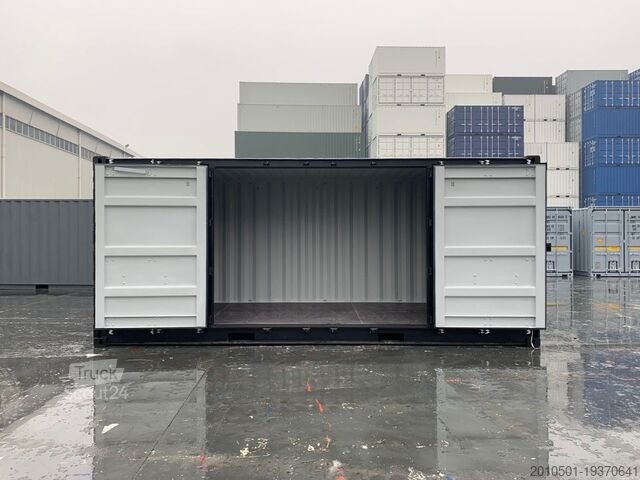
20 ft Containers for Sale in the UK – The Complete Buyer’s Guide
If you’re scrolling through the endless sea of “20 ft containers for sale UK” results, you’re probably looking for a practical, cost‑effective solution for storage, transportation, or even a quirky DIY project. Whether you’re a small‑business owner needing extra space for inventory, a contractor looking for a mobile workshop, or a homeowner dreaming of a backyard studio, a 20 ft shipping container can tick all the boxes.
In this guide we’ll walk you through everything you need to know before you click “Add to Cart”:
- What a 20 ft container actually is – dimensions, types, and construction.
- How to pick the right container for your needs – a quick checklist.
- Where to buy in the UK – a snapshot of reputable suppliers and price ranges.
- Key considerations – delivery, modifications, certifications, and insurance.
- Frequently asked questions – the most common doubts cleared in plain English.
Grab a cup of tea, and let’s dive in.
1. Understanding the 20 ft Shipping Container
| Feature | Typical Specification | Why It Matters |
|---|---|---|
| External Dimensions | 20 ft (6.058 m) long × 8 ft (2.438 m) wide × 8 ft 6 in (2.591 m) high | Determines the footprint on your site and the clearance needed for delivery trucks. |
| Internal Dimensions | 19 ft 4 in (5.898 m) × 7 ft 8 in (2.352 m) × 7 ft 10 in (2.393 m) | Gives you the usable cubic space – roughly 33 m³ (≈1,170 ft³). |
| Tare Weight | 2,200 – 2,300 kg (≈4,850 – 5,070 lb) | Affects transportation costs and the floor load capacity of your premises. |
| Maximum Payload | 21,600 – 22,000 kg (≈47,600 – 48,500 lb) | The total weight you can safely load inside. |
| Material | 1.6 mm CORTEN steel (weathering steel) | Highly resistant to corrosion, ideal for outdoor use. |
| Door Type | Single swing door (standard) – optional double doors | Determines ease of access and potential for later modifications. |
| ISO Rating | ISO 668 (standard size) – ISO 1496‑1 (general cargo) | Guarantees compatibility with global transport infrastructure. |
| Condition | New (factory fresh) / Used (good, wind‑ & rust‑free) / Refurbished (re‑painted, repaired) | Impacts price, warranty, and lifespan. |
A 20 ft container is the industry’s workhorse. Its compact size makes it easy to manoeuvre through city streets while still offering enough volume to hold pallets, tools, or even a small living space after conversion.
2. Why Choose a 20 ft Container? – Quick List
- Portability – Move it on a low‑loader truck; you can relocate in a single day.
- Durability – CORTEN steel resists rust even in the damp British climate.
- Security – Hardened steel doors, lockable hinges, and optional CCTV integration.
- Cost‑Effectiveness – Typically 30‑50 % cheaper than building a traditional outbuilding of comparable size.
- Versatility – Use it as a warehouse, workshop, pop‑up shop, garden shed, or a tiny‑home shell.
- Standardisation – Fits into existing container‑handling equipment (cranes, forklifts).
- Regulatory Simplicity – Often classed as a “temporary structure,” requiring fewer planning permissions (but check local council rules).
3. How to Choose the Right Container – A Practical Checklist
| ✅ Item | What to Look For | How to Verify |
|---|---|---|
| Purpose | Storage vs. conversion vs. transport | Write down the exact use‑case; it dictates needed modifications. |
| Condition | New, used, or refurbished | Ask for photos, inspection reports, and a warranty slip. |
| Door Configuration | Single vs. double vs. side‑loading | Visualise how you’ll load/unload; double doors ease large equipment entry. |
| Ventilation | Built‑in vents, optional fans, or windows | For workshops, ensure at least 2 × 2 ft vent openings. |
| Insulation | None (standard) vs. insulated wall panels | If you’ll store temperature‑sensitive goods, opt for insulation. |
| Flooring | Plain steel floor vs. timber or raised platforms | Add flooring if you’ll work on the ground inside. |
| Compliance | CE marking, ISO certifications, and local council guidance | Request certificates; keep them for future insurance claims. |
| Delivery Options | Drop‑off vs. lift‑gate vs. on‑site placement | Confirm the supplier can handle the exact site constraints. |
| Price Transparency | All‑inclusive (container + delivery + taxes) vs. “base price only” | Ask for a detailed quote breaking down each cost component. |
| After‑sales Support | Spare parts, modification services, warranty length | Choose a supplier who offers a 12‑month warranty on new units. |
Running through this checklist before you commit will save you from unpleasant surprises later on.
4. Where to Buy 20 ft Containers in the UK – Supplier Snapshot
| Supplier | Location | Condition Offered | Price Range* (GBP) | Notable Extras |
|---|---|---|---|---|
| Conexwest | West Sussex | New, Used, Refurbished | £2,200 – £3,800 | On‑site delivery, optional insulation kits |
| Container Sales Ltd | Liverpool | New & Used | £2,150 – £4,100 | 12‑month warranty, finance options |
| Euro Container Solutions | Manchester | Refurbished only | £2,400 – £3,500 | Custom paint finishes, door upgrades |
| Boxx Containers | Birmingham | New (factory) | £2,350 – £3,200 | Quick‑dispatch (48 hrs), eco‑friendly paint |
| Swansea Container Hire | South Wales | Used (wind‑ & rust‑free) | £1,950 – £2,700 | Same‑day delivery within 30 mi radius |
| Gulf Freight | London | New & Refurbished | £2,500 – £4,300 | Full conversion package (electricity, lighting) |
*Prices are indicative for a standard 20 ft container (no modifications, delivery excluded). Prices fluctuate with market demand, steel costs, and seasonal promotions.
Tip: When you find a supplier you like, request a “quote breakdown” that lists container price, delivery distance charges, and any optional extras (e.g., lock sets, paint, ventilation). This makes direct comparisons easier.
5. Key Considerations Before You Purchase
- Delivery Logistics –
Check road access: Some narrow residential streets require a 3‑tonne low loader.
Ground preparation: A flat, compacted surface (concrete slab or reinforced ground) prevents the container from sinking or tipping. - Modifications & Conversions –
Insulation: R‑value of 2.5 cm poly‑iso is common for DIY conversions; for full‑time habitation, consider 100 mm PIR panels.
Electrical & Plumbing: Hire a qualified electrician. In England, a building regulations approval (Part P) is needed for any fixed wiring.
Windows & Doors: Double‑glazed windows improve thermal performance; a side‑loading door can be added for easier vehicle access. - Regulatory Requirements –
Planning Permission: Typically not needed for a container used for storage, but a change of use (e.g., a dwelling) almost always requires a planning application.
Fire Safety: If you’ll store hazardous materials, ensure the container meets BS 5506 (Fire safety of containers). - Insurance & Warranty –
Insurance: Most commercial policies cover containers as “stock” or “equipment.” Confirm with your insurer.
Warranty: New containers usually carry a 12‑month manufacturer warranty; refurbished units may have 6‑month coverage. - Environmental Impact –
Re‑used containers reduce steel production demand. Choose a supplier who recycles or refurbishes old units.
Sustainable paint – Low‑VOC (volatile organic compounds) options are now standard.
6. DIY Conversion Ideas – Inspiration in a List
- Mini‑Gym: Install rubber flooring, wall‑mounted mirrors, and a ventilation fan.
- Garden Office: Add insulation, a glass façade, and a small solar panel for off‑grid power.
- Pop‑Up Retail: Fit a colorful exterior wrap, install shelving, and attach a retractable awning.
- Workshop: Mount a heavy‑duty workbench, a ceiling‑mounted hoist, and proper lighting.
- Camping Pod: Fit a loft bed, a compact kitchen unit, and a composting toilet.
No matter the vision, start with solid foundations: a level base, proper anchoring (anchor bolts or a concrete pad), and adequate security (steel lock bar, alarm).
7. Frequently Asked Questions (FAQ)
Q1: How long does a 20 ft container last?
A: With proper maintenance, a steel container can easily exceed 30 years. The CORTEN steel automatically forms a protective rust layer, especially suited to the UK’s damp climate.
Q2: Do I need planning permission to place a container on my property?
A: For purely storage or temporary use, most councils treat containers as “temporary structures” and do not require planning permission. However, if you intend to convert it into a dwelling, office, or commercial space, you’ll usually need to submit a planning application.
Q3: What is the difference between “new” and “refurbished” containers?
A: New containers are built to factory specifications and have never been used. Refurbished units have been inspected, repaired (e.g., dent removal, rust treatment), repainted, and may include upgraded doors or ventilation. They are generally 30‑40 % cheaper while still offering a comparable lifespan.
Q4: How much does delivery cost?
A: Delivery fees depend on distance, road access, and whether you need a lift‑gate or crane. Expect a typical range of £150‑£350 for most UK locations, rising to £500+ for remote or hard‑to‑reach sites.
Q5: Can I stack containers?
A: Yes, containers are designed for stacking up to three units high when properly secured with twist‑locks. For a single 20 ft unit, you’ll need a flat, reinforced surface and, if stacking, a certified stacking plan.
Q6: Are there any restrictions on painting a container?
A: No statutory restrictions, but if you’re planning a conversion that will be subject to building regulations, you may need to use fire‑retardant paint. Also, avoid environmentally harmful paints; low‑VOC options are preferred.
Q7: How do I secure a container against theft?
A: Use a high‑security lock (e.g., SFS Series), reinforce door hinges, and consider adding a steel security bar across the door interior. For high‑value contents, an alarm system or CCTV can be integrated with minimal wiring.
Q8: What financing options are available?
A: Many UK suppliers partner with finance firms to offer leasing, hire‑purchase, or monthly instalments. Typical terms range from 12 to 60 months with interest rates between 5‑12 % APR, depending on credit rating.
8. Final Thoughts – Making the Right Decision
A 20 ft container is more than just a metal box; it’s a flexible platform that can adapt to your business, hobby, or lifestyle needs. By understanding the specs, evaluating condition options, and checking local regulations, you’ll be equipped to choose a container that fits your budget and vision.
Quick recap:
- Measure the space – know the exact external footprint you have.
- Define the purpose – storage, workshop, or living space.
- Pick condition wisely – new for pristine quality, refurbished for budget‑friendly durability.
- Ask for a transparent quote – include delivery, taxes, and any optional upgrades.
- Plan for modifications early – insulation, ventilation, and electrical work should be factored into the overall cost.
When you’re ready, start by contacting at least two suppliers from the table above. Request photos, a copy of the container’s inspection report, and a written guarantee. Compare the offers side‑by‑side, and you’ll soon have a 20 ft container parked exactly where you need it – ready to protect your assets, power your projects, or become the quirkiest addition to your property.
Happy container hunting!
If you found this guide useful, share it with fellow entrepreneurs or DIY‑enthusiasts. For more in‑depth articles on container conversions, storage solutions, and logistics, subscribe to our newsletter below.