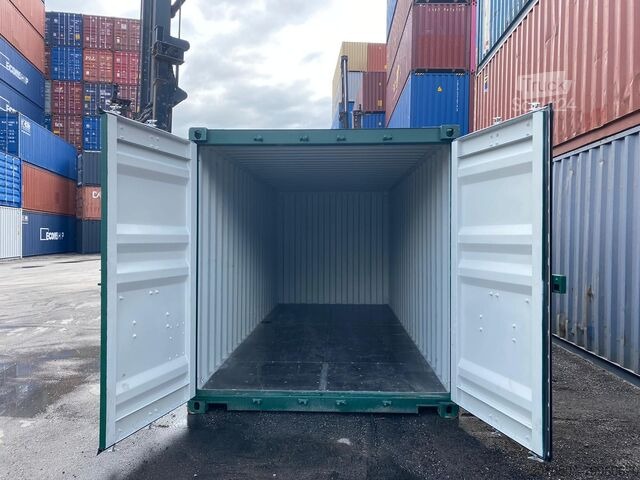
Thinking About Buying a Shipping Container? Here’s the Complete Guide You Need
If you’ve ever imagined turning a steel box into a backyard office, a pop‑up shop, or even a tiny home, you’re not alone. Shipping containers have gone from “just for moving cargo” to “the ultimate DIY building block” for homeowners, entrepreneurs, and hobbyists alike. But before you rush to the nearest supplier, there are a handful of decisions that will determine whether your container project ends up a triumph—or a costly headache.
In this post you’ll discover:
- The different types of containers and which one fits your plan.
- How to size up the right dimensions and budget.
- A step‑by‑step checklist for purchasing, delivering, and installing.
- The pros and cons of buying new vs. used, local vs. overseas.
- Answers to the most common questions in our FAQ.
All of this is presented in an easy‑to‑read format, complete with tables, lists, and practical tips that you can apply right away.
1. What Kind of Shipping Container Should You Buy?
Shipping containers come in a few standard “grades” and “sizes.” Understanding the differences will help you match the container to your intended use—whether it’s a secure storage unit, a climate‑controlled workshop, or a full‑blown tiny house.
| Grade | Typical Condition | Best For | Key Features |
|---|---|---|---|
| New (Grade A) | Brand‑new, never used | High‑visibility retail, premium tiny homes | Pristine paint, no dents, full warranty |
| One‑Trip (Grade B) | Used once, minimal wear | Cost‑effective office or studio | Minor scratches, still in great shape |
| Used (Grade C/D) | Multiple trips, visible wear | Storage, workshop, DIY projects where aesthetics aren’t critical | Dents, rust, possible repairs needed |
| Size | External Dimensions (L × W × H) | Internal Volume | Typical Price Range (USD) |
|---|---|---|---|
| 20‑foot Standard | 20′ × 8′ × 8′ 6″ | ~1,170 cu ft | $2,500 – $4,500 (new) / $1,200 – $2,500 (used) |
| 40‑foot Standard | 40′ × 8′ × 8′ 6″ | ~2,390 cu ft | $4,500 – $7,500 (new) / $2,500 – $4,500 (used) |
| 40‑foot High‑Cube | 40′ × 8′ × 9′ 6″ | ~2,700 cu ft | $5,000 – $8,500 (new) / $3,000 – $5,500 (used) |
| 45‑foot High‑Cube | 45′ × 8′ × 9′ 6″ | ~3,000 cu ft | $6,000 – $9,500 (new) / $3,800 – $6,800 (used) |
Quick tip: If you need extra headroom for standing work or lofted living space, the high‑cube models give you an extra foot of interior height at a modest price premium.
2. Why Buy a Container Instead of Building From Scratch?
Before you jump in, weigh the advantages against the drawbacks. Below is a concise pros‑and‑cons list to keep on your desk while you evaluate.
Pros
- Durability: Steel walls resist termites, rot, and fire.
- Portability: One container can be moved by a standard trailer.
- Speed: A basic container arrives ready‑to‑use; no time‑consuming foundation work.
- Cost‑Effective: Even a high‑cube 40‑ft unit is often cheaper than a 500‑sq‑ft conventional shed.
- Modular: You can stack or combine units for larger spaces.
Cons
- Thermal Conductivity: Steel gets hot in summer and cold in winter—insulation is a must.
- Limited Openings: Standard doors are 7′ × 3′ 3″; adding windows or larger doors requires cutting and welding.
- Regulatory Hurdles: Zoning, building permits, and fire‑code compliance vary by city.
- Aesthetic Constraints: The industrial look may need a façade makeover if you’re aiming for a residential vibe.
3. Step‑by‑Step Checklist: From Search to Installation
Having a roadmap makes the process feel less intimidating. Follow these seven steps to secure the right container and get it where it belongs.
| Step | What to Do | Why It Matters |
|---|---|---|
| 1. Define Your Purpose | Write a short brief (e.g., “outdoor office with 2 windows”). | Guides size, grade, and modification needs. |
| 2. Choose Size & Grade | Use the tables above to narrow options. | Prevents overpaying for unused space or under‑sizing for the job. |
| 3. Get Quotes from Multiple Suppliers | Contact at least three vendors—local dealer, online retailer, overseas shipper. | Prices vary widely; negotiating can shave off up to 15 %. |
| 4. Inspect (or Request Photos/Inspection Reports) | Ask for high‑resolution images, rust reports, and structural certifications. | Avoid hidden damage that could snowball into costly repairs. |
| 5. Arrange Transport | Decide between door‑to‑door delivery, port‑to‑yard, or self‑haul. | Transport costs can add $500‑$2,000 depending on distance and size. |
| 6. Secure Permits & Site Prep | Submit plans to local building department; level the ground, lay a concrete pad or steel footers. | Skipping permits can result in fines or forced removal. |
| 7. Modify & Finish | Add insulation, doors, windows, electrical, interior panels, and exterior cladding if desired. | This step transforms a box into a functional space. |
Pro tip: Many suppliers offer “turnkey” packages that bundle the container, delivery, and basic modifications (e.g., insulation and a single side door). These can save you time and reduce the risk of mismatched components.
4. New vs. Used: Which Makes More Sense for You?
| Factor | New (Grade A) | Used (Grade C/D) |
|---|---|---|
| Initial Cost | Higher – premium for pristine condition. | Lower – great for budget‑focused projects. |
| Warranty | Usually 1‑2 years; includes structural guarantees. | Typically none; you’re on the hook for repairs. |
| Customization | Easier to cut and weld without compromising integrity. | May already have modifications; extra cutting could weaken the shell. |
| Lead Time | 2‑4 weeks for production & shipping. | 1‑2 weeks if local inventory exists. |
| Resale Value | Retains higher resale price. | Lower resale; may need refurbishing before selling. |
If you’re converting the container into a showroom or high‑visibility rental, a new unit’s clean look may be worth the extra dollars. For a garden shed, workshop, or temporary storage, a used container that you can sand, paint, and reinforce will usually do the trick.
5. Frequently Asked Questions (FAQ)
Q1: How much does it actually cost to own a container after purchase?
A: Beyond the purchase price, budget for delivery ($500‑$2,000), site preparation ($300‑$1,500), insulation ($1‑$2 per sq ft for spray foam), and any interior finishes ($5‑$15 per sq ft). A typical 40‑ft high‑cube used container turned into a small office can land around $9,000–$12,000 all‑in.
Q2: Do I need a permit to place a container on my property?
A: Most municipalities treat a container as a structure, so you’ll likely need a building permit, especially if you’re adding electricity, plumbing, or permanent foundations. Always check with your local planning department before ordering.
Q3: Can I stack containers to create a two‑story building?
A: Yes. Containers are engineered to bear heavy loads, and a 40‑ft unit can support another container stacked on top if the bottom unit is placed on a solid foundation and properly secured with welding or bolting. Professional engineering verification is recommended.
Q4: How do I insulate a steel container?
A: The most common methods are:
- Spray foam insulation (closed‑cell) – excellent R‑value, also seals gaps.
- Rigid foam board (polyiso or XPS) – cheaper, easy to install on walls/ceilings.
- Blanket insulation (fiberglass) – budget‑friendly but requires a vapor barrier.
Pair insulation with interior paneling (drywall, plywood) for a finished look.
Q5: What are the typical delivery options?
A:
- Door‑to‑door: Supplier drops the container right at your driveway. Highest cost but most convenient.
- Port‑to‑yard: You pick up the container from a nearby port or depot; you arrange a flatbed truck. Lower cost, more logistics work.
- Self‑haul: If you own a suitable trailer and have a driver’s license for heavy loads, you can rent a container and move it yourself for the cheapest price.
Q6: Is it safe to cut openings in a container (for windows/doors)?
A: Yes, but you must reinforce the cut area with steel frames or gussets to retain structural integrity. Hiring a certified welder familiar with ISO standards is strongly advised.
Q7: Can I paint a container, and what paint should I use?
A: Absolutely. A two‑coat system works best: a rust‑inhibiting primer (epoxy‑based) followed by a polyurethane or acrylic enamel topcoat. This protects against corrosion and provides a cleaner aesthetic.
6. Real‑World Inspiration: Three Quick Ideas to Get You Started
- Backyard Office: A 20‑ft high‑cube container with a glass wall, insulated with spray foam, and fitted with a standing desk. Cost: ~$8,000.
- Mobile Pop‑Up Café: Two stacked 40‑ft containers—one for kitchen equipment, the second for seating. Add a deck and retractable awning. Cost: ~$25,000.
- Compact Guest Suite: Convert a 45‑ft high‑cube into a tiny home with a loft bedroom, kitchenette, and bathroom. Insulate, install solar panels, and you have a self‑contained Airbnb for under $40,000.
7. Final Thoughts – Make Your Container Purchase a Success
Buying a shipping container can feel like stepping into a world of endless possibilities. By clarifying your purpose, comparing sizes and grades, and following a systematic purchasing checklist, you’ll avoid the common pitfalls that trip up many DIY builders. Remember to factor in transport, permitting, and finishing costs, and don’t shy away from asking suppliers for detailed inspection reports.
Whether you’re looking for a secure storage box, a budget‑friendly office, or the foundation of a future tiny home, the right container is out there—waiting for you to load it onto a truck and start building.
Ready to take the next step? Grab a notebook, sketch out your vision, and start contacting local dealers for quotes. The perfect container is just a phone call away. Happy building!