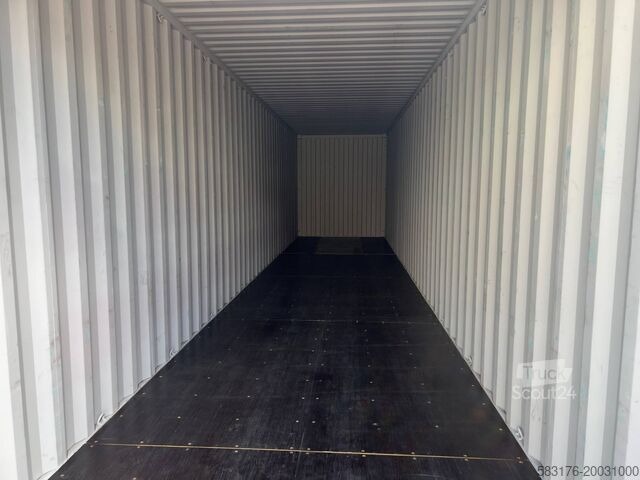
The Ultimate Guide to Converting Shipping Containers into Livable Spaces
If you’ve ever walked past a stack of steel boxes at a port and imagined a sleek modern home or a pop‑up café inside one, you’re not alone. Shipping containers have become the go‑to building block for architects, entrepreneurs, and DIY‑enthusiasts alike. In this post you’ll learn everything you need to know to turn a plain 20‑ or 40‑foot container into a functional, stylish, and code‑compliant space.
1. Why Choose a Shipping Container?
| Benefit | What It Means for You |
|---|---|
| Affordability | New containers cost $2,500‑$5,000 (20‑ft) or $4,000‑$7,000 (40‑ft). Used units can be as low as $1,200. |
| Speed of Construction | A fully insulated, wired, and finished container can be ready in 4‑6 weeks—much faster than traditional masonry. |
| Structural Integrity | Built to withstand ocean storms, a container’s steel frame is incredibly strong, reducing the need for additional support beams. |
| Portability | You can relocate a container with a crane or flatbed truck; ideal for temporary offices, events, or expanding a growing business. |
| Sustainability | Repurposing a container keeps steel out of landfills and reduces the carbon footprint of new construction. |
These advantages make containers an attractive solution for everything from tiny homes and backyard studios to commercial pop‑ups and off‑grid cabins.
2. Planning Your Conversion
Before you order a container, map out the project in detail. Skipping the planning stage often leads to budget overruns, permit nightmares, or structural issues.
2.1 Define the Purpose
| Use‑Case | Typical Size | Key Features |
|---|---|---|
| Tiny Home | 20‑ft or 40‑ft | Bedrooms, kitchen, bathroom, loft |
| Office / Studio | 20‑ft | Open floor plan, large windows, HVAC |
| Retail / Café | 40‑ft | Counter, seating, signage, large glass doors |
| Storage / Workshop | 20‑ft | Heavy‑duty flooring, shelving, reinforced doors |
2.2 Check Local Regulations
| Regulation | What to Verify |
|---|---|
| Zoning | Does your land permit accessory dwelling units or commercial structures? |
| Building Code | Are there setbacks, fire‑ratings, or insulation requirements? |
| Permits | Obtain building, electrical, and plumbing permits before you cut steel. |
| Utility Access | Confirm availability of water, sewage, and electricity connections. |
2.3 Budget Breakdown
| Category | Typical Cost Range (USD) | Notes |
|---|---|---|
| Container (used) | $1,200‑$3,000 (20‑ft) / $2,000‑$4,500 (40‑ft) | Prices vary by condition, location, and age. |
| Structural Modifications (cutting, reinforcing) | $1,500‑$4,000 | Includes steel framing to replace removed sections. |
| Insulation (spray foam, panel) | $1,000‑$2,500 | Critical for temperature control and condensation control. |
| Interior Finishes (drywall, flooring, fixtures) | $2,500‑$6,000 | Depends on style and quality of materials. |
| HVAC & Electrical | $1,500‑$4,000 | Include ductwork, air‑conditioning, wiring, and panels. |
| Permit & Design Fees | $500‑$2,000 | Varies by municipality. |
| Total Approx. | $8,200‑$23,500 | A modest tiny home can be built for under $15k; high‑end custom builds exceed $30k. |
3. Step‑By‑Step Conversion Checklist
Tip: Keep a physical copy of this checklist on site. Checking each item off reduces the chance of forgetting critical tasks.
- Select & Inspect Container
- Verify structural integrity (no rust through the frame, no major dents).
- Confirm that doors open/close smoothly.
- Secure Permits
- Submit plans to the local building department.
- Obtain a site‑plan showing container placement.
- Prepare the Site
- Level the ground: concrete pad, steel pier, or timber deck.
- Install anchor bolts or a cradle for stability.
- Design Layout & Cut Openings
- Draft a 2‑D layout with dimensions for windows, doors, and interior walls.
- Use a plasma cutter or metal‑saw to create openings; reinforce with steel studs.
- Reinforce Structural Elements
- Add cross‑beams or a steel “header” over large openings.
- Install a secondary frame if you’re stacking containers.
- Insulate & Weather‑Seal
- Apply spray foam or rigid board insulation to walls and roof.
- Seal seams with high‑temperature silicone and apply a vapor barrier.
- Install Utilities
- Run electrical conduit, install a breaker panel, and lay out lighting.
- If plumbing is required, route PEX tubing and connect to sewer/holding tank.
- Fit Windows & Doors
- Choose double‑glazed, energy‑efficient windows.
- Use a pre‑hung steel or wooden door with a proper weatherstrip.
- Interior Finishing
- Frame interior walls with 2×4 lumber attached to the container’s steel studs.
- Attach drywall, plywood, or reclaimed wood panels.
- Install flooring (engineered hardwood, laminate, or epoxy).
- HVAC & Ventilation
- Mount a mini‑split heat pump for heating/cooling.
- Add ridge vents or an exhaust fan to prevent condensation.
- Final Inspection & Occupancy
- Schedule a city inspector for a final walkthrough.
- Obtain a Certificate of Occupancy before moving in or opening for business.
4. Design Ideas That Turn Steel Into Style
| Design Element | How To Implement | Why It Works |
|---|---|---|
| Living‑Wall Garden | Mount a modular hydroponic panel on one interior side. | Brings nature indoors, improves air quality, and adds visual interest. |
| Sliding Barn Doors | Use reclaimed barn doors on heavy‑duty tracks. | Saves space and adds a rustic charm while maintaining structural integrity. |
| Open‑Plan Loft | Create a mezzanine using steel joists; place a ladder or spiral staircase. | Maximizes vertical space, perfect for sleeping or storage. |
| Floor‑to‑Ceiling Glass | Install frameless glass panels on one side of the container. | Provides abundant natural light and makes the interior feel larger. |
| Industrial Lighting | Hang pendant or track lighting with exposed bulbs. | Complements the raw steel aesthetic and offers flexible illumination. |
5. Common Pitfalls & How to Avoid Them
| Problem | Cause | Solution |
|---|---|---|
| Condensation on walls | Inadequate insulation or missing vapor barrier. | Use closed‑cell spray foam and install a continuous vapor barrier. |
| Structural weakness after cutting | Removing too much steel without reinforcement. | Always add a steel header or a secondary frame around large openings. |
| Permit delays | Incomplete or inaccurate drawings. | Hire a professional architect or engineer familiar with container projects. |
| Excessive heat in summer | Poor shading and lack of ventilation. | Add external awnings, reflective roof coating, and a vented HVAC system. |
| Corrosion at cut edges | Exposed steel not protected. | Apply corrosion‑resistant primer and marine‑grade paint to all cut edges. |
6. Real‑World Success Stories
- The Tiny House Movement: Over 5,000 families in North America now live in container‑based tiny homes, many under $30,000.
- Pop‑Up Coffee Shops: A startup in Portland turned a 40‑ft container into a mobile café that can be relocated inside a few days for events.
- Rural Clinics: In sub‑Saharan Africa, NGOs use container clinics with solar panels, providing essential healthcare in remote villages.
These examples prove that a steel box can become a vibrant, functional space when you apply thoughtful design and solid construction practices.
7. Frequently Asked Questions (FAQ)
Q1: How long does a conversion typically take?
A: From purchase to move‑in, a standard 20‑ft tiny home conversion averages 8‑12 weeks, assuming permits are approved quickly. Larger commercial projects can take 4‑6 months.
Q2: Can I stack two containers for a two‑story home?
A: Yes, but you’ll need a structural engineer to design proper load‑bearing columns and a reinforced foundation. Stacking adds about 30% to the total cost.
Q3: Are container homes safe in earthquakes?
A: Steel frames perform well under seismic stress. Proper anchoring to a reinforced foundation and adherence to local seismic codes are essential.
Q4: What insulation works best for containers?
A: Closed‑cell spray foam is the most effective, providing R‑values of around 6‑7 per inch and acting as a vapor barrier. Rigid board insulation (polyiso or XPS) is a cost‑effective alternative when combined with a separate vapor barrier.
Q5: Do I need a professional architect?
A: While DIY designs are possible, an architect or designer familiar with containers can streamline the permitting process and prevent costly mistakes.
Q6: How do I handle electricity and plumbing?
A: Run conduit and PEX tubing inside the interior stud cavity, just like a conventional build. For off‑grid setups, consider solar panels, a battery bank, and a composting toilet.
Q7: Is a container eco‑friendly?
A: Repurposing a container reduces steel waste and the embodied energy of new construction. Pairing it with sustainable materials (e.g., reclaimed wood, low‑VOC paints) boosts its green credentials.
8. Take the First Step Today
You now have a roadmap, a budget guide, and a list of design possibilities. The next move is simple:
- Visit a local container yard and inspect a few units.
- Sketch a rough floor plan on graph paper or a free online tool.
- Consult your municipality to confirm zoning and permitting requirements.
With those basics in place, you’ll be ready to turn a raw steel box into a place you can call home, work, or play.
Remember, every iconic space started with a single, bold idea—your idea that a shipping container can become something extraordinary.
Happy building!
If you found this guide useful, share it with a friend who’s dreaming of a container conversion, or leave a comment with the challenges you’re facing. We love hearing about your projects!