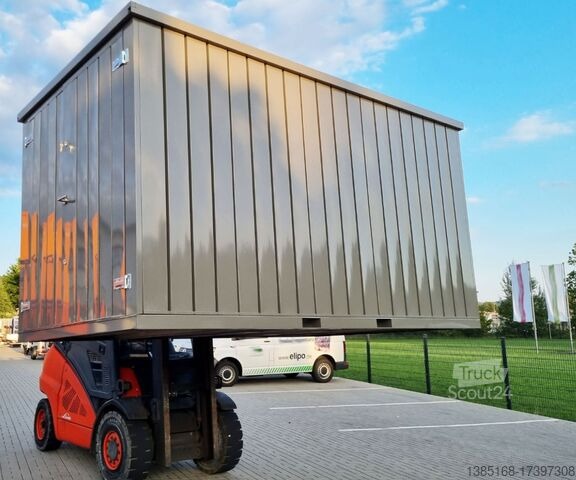
Second‑Hand Containers for Sale: The Practical, Eco‑Friendly Way to Grow Your Business
When you need an extra storage space, a portable office, or a ready‑made workshop, the first thing that comes to mind is often a brand‑new steel or aluminum container. Yet the market for second‑hand containers has exploded in the last decade, and savvy entrepreneurs are discovering that buying used is not only cost‑effective but also better for the planet.
In this guide you’ll learn:
- Why second‑hand containers make sense – financially and environmentally.
- The main types of containers you’ll encounter on the market.
- Key factors to evaluate before you sign the contract.
- A step‑by‑step buying checklist you can print and use.
- Frequently asked questions that clear up the most common doubts.
By the time you finish reading, you’ll be armed with the knowledge to select the perfect pre‑owned container for your unique needs – and to negotiate a deal that protects your budget and your schedule.
1. The Business Case for Buying Used
| Benefit | What it Means for You | Typical Savings |
|---|---|---|
| Lower upfront cost | You can acquire a 20‑ft container for a fraction of the price of a new one. | 40‑70 % off the new‑container price |
| Faster delivery | Many used containers are already stocked locally, so you can have them on site within days, not weeks. | 2‑4 weeks saved |
| Reduced depreciation | A used container has already taken the steepest part of its value drop, so its resale value stays relatively stable. | Up‑to‑30 % higher resale after 5 years |
| Eco‑friendly | Re‑using steel reduces the demand for fresh metal production, cutting CO₂ emissions. | Roughly 1 ton CO₂ saved per 40‑ft container |
| Customization flexibility | Many sellers offer conversion services (insulation, windows, doors) at lower rates than new‑build specialists. | 20‑35 % cheaper than building from scratch |
Bottom line: If you’re looking to stretch every dollar while demonstrating a commitment to sustainability, second‑hand containers tick both boxes.
2. Types of Containers You’ll Find on the Market
| Size | External Dimensions (L × W × H) | Typical Interior Volume | Common Uses |
|---|---|---|---|
| 10‑ft | 9.6 m × 2.4 m × 2.6 m | ~12 m³ | Small workshops, tool lockers, pop‑up retail kiosks |
| 20‑ft | 6.1 m × 2.4 m × 2.6 m | ~28 m³ | Storage rooms, portable offices, shipping containers for cargo |
| 40‑ft | 12.2 m × 2.4 m × 2.6 m | ~56 m³ | Large warehouses, modular classrooms, mobile clinics |
| High‑Cube (HC) | Same footprint as standard but 2.9 m high | +~10 m³ extra | Refrigerated units, data‑center racks, high‑bay storage |
Specialty Variants
- Cold‑Chain Containers – Insulated and fitted with refrigeration units (ideal for food‑grade or medical supplies).
- Modified‑Fit (M‑Fit) – Pre‑installed shelving, lighting, electrical wiring, or plumbing.
- Flat‑Rack Containers – No side walls, just a sturdy frame; great for oversized cargo.
When you browse listings, make sure the container’s type aligns with the specific function you have in mind. A 20‑ft standard box can be turned into a tiny office with a few modifications, but a high‑cube refrigerated unit is the smarter choice for a pop‑up grocery kiosk that needs temperature control.
3. What to Inspect Before You Buy
Even though a second‑hand container looks simple, there are hidden pitfalls that can cost you time and money later. Use the following inspection checklist as a quick reference on a site visit or when reviewing photos from a seller.
| Checklist Item | Why It Matters | How to Verify |
|---|---|---|
| Exterior Corrosion | Rust can spread, weakening the structure. | Look for flaking paint, pitting, and rust streaks; tap the steel – a solid sound indicates good thickness. |
| Roof Condition | Leaks are the most common issue. | Check for dents, rust patches, and any water stains inside the container. |
| Floor Integrity | A warped or damaged floor compromises load capacity. | Walk across; feel for flex. Look for cracks, rust-through, or missing floor panels. |
| Door Alignment & Seals | Misaligned doors cause security and weather‑tightness problems. | Open/close doors; they should glide smoothly and seal evenly. |
| Structural Deformations | Bends or twists affect stacking and transport. | Measure diagonal dimensions; they should be equal on opposite corners. |
| Certification & History | ISO 668 standards guarantee dimensions; previous use can indicate wear. | Ask for a Container Identification Number (CIN) and request the CSC (Container Safety Certificate). |
| Modifications | Unapproved cuts or welds may weaken the shell. | Inspect any added windows, vents, or internal partitions. |
| Load Rating | Over‑loading can cause collapse. | Verify the container’s Maximum Gross Weight (MGW) and ensure it meets your intended load. |
Quick Tip
If you’re buying online, ask the seller for high‑resolution photos of the corners, roof, and door hinges, and request a recent inspection report. Reputable dealers will gladly provide this documentation.
4. How to Choose the Right Supplier
Not every seller is created equal. Here’s a short list of criteria you can use to narrow down your options:
- Reputation & Reviews – Look for verified customer feedback on platforms like Trustpilot, Google Business, or industry forums.
- Inventory Transparency – A good dealer maintains an online catalog with detailed specs, photos, and CIN numbers.
- After‑Sales Support – Does the supplier offer delivery, off‑loading equipment, and optional conversion services?
- Warranty or Return Policy – Even used goods can come with limited guarantees (e.g., 30‑day structural warranty).
- Location Proximity – Shipping a 20‑ft container from overseas can add $2,000–$4,000 in freight. Local suppliers often reduce costs dramatically.
Example Supplier Comparison Table
| Supplier | Avg. Price (20‑ft, good condition) | Delivery Radius | Warranty | Conversion Services | Rating (out of 5) |
|---|---|---|---|---|---|
| EcoContainers Ltd. | $2,300 | 300 km | 30‑day structural | Yes (insulation, electrical) | 4.7 |
| PortSide Used Cargo | $2,050 | Nationwide (via rail) | 14‑day rust guarantee | No | 4.2 |
| SteelBox Resale | $1,900 | 100 km | None | Optional (extra cost) | 3.9 |
| Global Container Hub | $2,600 | International (port‑to‑port) | 60‑day ISO compliance | Yes (custom fits) | 4.5 |
Use tables like the one above to compare offers side‑by‑side, keeping the most important factors for your project front and center.
5. Step‑by‑Step Buying Process
Below is a printable roadmap you can follow from the moment you realize you need a container to the day it arrives on your site.
- Define Your Requirements
- Size, type, load capacity, and any special features (e.g., insulation).
- Set a Budget
- Include purchase price, delivery, taxes, and potential conversion costs.
- Research Suppliers
- Use the comparison table method; shortlist 2‑3 providers.
- Request Quotes & Documentation
- Ask for price breakdowns, CIN, inspection reports, and photos.
- Inspect the Container
- Either visit the site or request a video walkthrough. Use the inspection checklist.
- Negotiate Terms
- Discuss price, delivery date, payment schedule, and warranty.
- Sign a Purchase Agreement
- Ensure it includes clause for non‑conformity (e.g., if the container arrives with undisclosed damage).
- Arrange Logistics
- Confirm delivery address, crane or forklift requirements, and any on‑site permits.
- Receive & Verify
- Upon arrival, inspect again for transit damage; sign off only if all is satisfactory.
- Plan Modifications
- If you need custom doors, windows, or internal shelving, schedule the conversion now.
6. Common Pitfalls & How to Avoid Them
| Pitfall | Consequence | Prevention |
|---|---|---|
| Overlooking hidden rust | Structural failure, costly repairs. | Perform a thorough visual inspection and request a certified inspection report. |
| Buying a container without a valid CIN | May not meet local regulations; risk of fines. | Verify the CIN and cross‑check with the International Container Bureau (ICB) database. |
| Assuming all containers are the same | Incompatible dimensions for stacking or transport. | Check ISO 668 specifications; high‑cube vs. standard height matters. |
| Ignoring delivery logistics | Unexpected crane rental or site access issues. | Conduct a site survey and confirm loading/unloading capabilities before purchase. |
| Skipping warranty | No recourse if container arrives damaged. | Choose a seller offering at least a short‑term warranty or return window. |
7. Frequently Asked Questions (FAQ)
Q1: How long do second‑hand containers typically last?
A: If maintained properly, a well‑constructed steel container can serve 20–30 years, even more when stored under shelter. Regular rust treatment and roof inspections extend life.
Q2: Are there any legal restrictions on using a used container as a building?
A: Yes. Local building codes may require permits, especially if you install windows, doors, or modify the structure. Check with your municipality’s planning department and ensure the container meets fire‑rating standards.
Q3: What is the difference between a “dry” container and a “reefer”?
A: A dry container is an uninsulated, standard steel box used for general cargo. A “reefer” (refrigerated container) includes insulation, a cooling unit, and a temperature monitoring system.
Q4: Can I finance a used container?
A: Some equipment lenders and leasing companies offer financing for pre‑owned containers, often with lower interest rates than new‑box loans. Compare offers and read the fine print regarding residual values.
Q5: How do I transport a container to a remote site without road access?
A: Options include rail-to-truck transfers, barge shipping (if near a waterway), or using a track‑mounted crane for off‑road delivery. Discuss logistics with the seller early to avoid surprises.
Q6: Is it possible to insulate a used container yourself?
A: Absolutely. Polyurethane spray foam, rigid board, or blanket insulation can be installed on the interior. Just ensure the container is clean, dry, and free of rust before applying any material.
Q7: What are the typical dimensions of a 20‑ft high‑cube container?
A: Exterior: 6.058 m × 2.438 m × 2.896 m; Interior height: 2.69 m (≈ 8 ft 10 in). This extra height provides roughly 10 m³ more usable volume than the standard 20‑ft model.
8. Final Thoughts – Why a Second‑Hand Container Might Be Your Best Move
You’ve probably already weighed the options between building a custom structure, renting a warehouse, or buying a brand‑new shipping container. Each route has its own set of trade‑offs. When you break down the numbers, second‑hand containers emerge as a sweet spot:
- Cost Efficiency – Up to 70 % savings on acquisition.
- Speed – Delivery within days, not months.
- Sustainability – Gives new life to steel that would otherwise sit idle in a scrap yard.
- Flexibility – Easy to relocate, stack, or remodel as your business evolves.
By following the inspection checklist, using the comparison tables, and adhering to the step‑by‑step buying process outlined above, you’ll minimize risk and maximize value.
So, the next time you ask yourself, “Where do I get a solid, affordable storage or workspace solution?” – remember that a well‑chosen, second‑hand container could be the answer you’ve been looking for.
Ready to start? Grab a pen, print the checklist, and begin reaching out to the suppliers in the table. Your perfect container is just a few clicks away. Happy hunting!