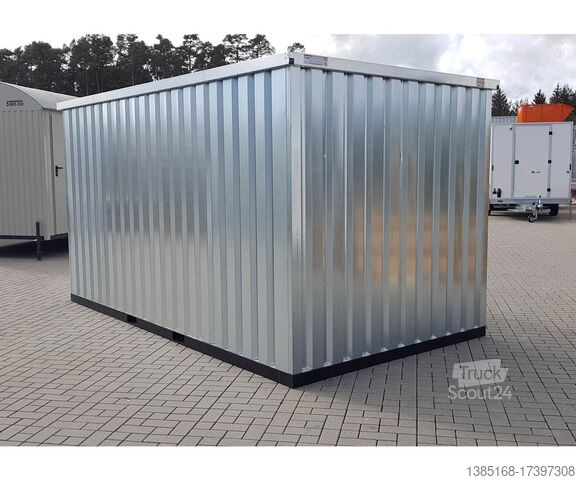
Shipping Container Homes in the UK: A Practical Guide for Your Next Move
If you’ve ever imagined a modern, budget‑friendly, and eco‑conscious home, a shipping container house might be the answer. In this post you’ll discover how the concept works, what it costs, which regulations apply, and how to turn a steel box into a comfortable livable space. Everything is written for you, the prospective homeowner, so you can decide whether a container home fits your lifestyle and budget.
1. Why Consider a Shipping Container Home?
| Benefit | What It Means for You |
|---|---|
| Speed of construction | A standard 40‑ft container can be converted in 3‑6 months, far quicker than a conventional build that can take 12‑24 months. |
| Cost‑effectiveness | Raw container prices start at £1,500‑£2,500, and a basic conversion can be £30k‑£60k – a fraction of the £150k‑£250k average for a traditional three‑bedroom house in England. |
| Eco‑friendly | You’re re‑using steel that would otherwise sit in a port or be scrapped, reducing embodied carbon by up to 40 % compared with brick‑and‑mortar. |
| Modular flexibility | You can start with a single container and later add more (stacked or side‑by‑side) without the need for a new planning application in many cases. |
| Durability | Made from corten steel, containers resist rot, pests, and extreme weather – perfect for the damp UK climate when properly insulated. |
2. The Basics: Types of Containers and What They Offer
| Container Size | Internal Dimensions (mm) | Typical Load Capacity | Best Uses |
|---|---|---|---|
| 20‑ft Standard | 5,900 × 2,350 × 2,390 | 28,000 kg | Studio apartments, guest rooms, small office pods. |
| 40‑ft Standard | 12,030 × 2,350 × 2,390 | 28,000 kg | Two‑bedroom layouts, open‑plan living spaces. |
| 40‑ft High‑Cube | 12,030 × 2,350 × 2,690 | 28,000 kg | Extra headroom for loft conversions, larger kitchens. |
| 40‑ft Refrigerated (Reefer) | Same as standard but insulated | 28,000 kg | Ideal for “cold‑room” concepts or for extra built‑in insulation. |
Tip: If you need higher ceilings or want to incorporate a mezzanine, the high‑cube is the most popular choice in the UK.
3. Cost Breakdown – What Will Your Wallet See?
| Item | Typical Range (GBP) | What It Covers |
|---|---|---|
| Raw container | £1,500 – £3,000 (used) £4,500 – £7,000 (new) | Purchase, delivery, off‑loading. |
| Design & Planning | £2,000 – £5,000 | Architect, structural engineer, planning submission (if required). |
| Conversion (core) | £20,000 – £40,000 | Cutting openings, structural reinforcements, basic interior partitioning. |
| Insulation & Finishes | £8,000 – £15,000 | Spray‑foam, PIR boards, drywall, flooring, kitchen & bathroom fitting. |
| Utilities | £5,000 – £12,000 | Electrical, plumbing, heating (e.g., air‑source heat pump). |
| External Works | £3,000 – £8,000 | Foundations, external cladding, landscaping. |
| Contingency (10‑15%) | £5,000 – £10,000 | Unexpected site conditions, changes in design. |
| Total Approx. | £44,500 – £97,000 | A complete, move‑in ready home (single‑storey). |
Bottom line: Even at the high end, a container home can still be 30 % cheaper than a conventional build of comparable size.
4. Planning Permission & Building Regulations – What You Need to Know
- Planning Permission – Most UK local authorities treat a container home as a “permanent structure” and will require a planning application unless the building falls under Permitted Development Rights (e.g., a portable cabin used for temporary accommodation).
- Check with your council early. Provide drawings, a site plan, and details on the external appearance.
- Building Regulations – The structure must meet Approved Document B (fire safety), C (site preparation & resistance to moisture), L (conservation of fuel & power), and Part M (access).
- Thermal performance: Aim for an overall U‑value of ≤ 0.18 W/m²K for walls and roofs.
- Ventilation: Install balanced mechanical ventilation with heat recovery (MVHR) to avoid damp.
Useful tip: Many container‑home specialists have pre‑approved designs that already meet UK regulations, which can shave weeks off your approval timeline.
5. Designing Your Container Home – A Checklist
| Design Element | Key Considerations |
|---|---|
| Orientation | Position the longest side to maximise solar gain. In the UK, a south‑facing facade reduces heating demand. |
| Insulation | Spray‑foam (closed‑cell) offers the best air‑tightness; PIR boards are cheaper but require a vapor barrier. |
| Windows & Doors | Use double‑glazed, low‑E units. Keep openings to < 30 % of the wall area to maintain structural integrity. |
| Roof | Add a pitched or flat roof with external cladding (e.g., timber, metal panels) for aesthetic and weatherproofing. |
| Interior Layout | Open‑plan living/kitchen areas work well; allocate space for a loft if you have a high‑cube container. |
| Utilities | Plan for a compact boiler or heat‑pump, and a small‑footprint electrical board. |
| Sustainability Features | Consider solar PV, rainwater harvesting, and a green roof (subject to load‑bearing checks). |
6. Real‑World Examples – What’s Already Working in the UK?
| Project | Location | Size (Containers) | Key Features |
|---|---|---|---|
| The Box House | Cornwall | 2 × 40‑ft high‑cube | Open‑plan layout, mezzanine bedroom, solar PV, off‑grid water tank. |
| Eco‑Pod | Birmingham | 1 × 20‑ft standard | Compact studio, insulated with sheep’s wool, tiny‑house style. |
| City Stack | London (Hackney) | 4 × 40‑ft standard (stacked) | Multi‑family micro‑apartments, shared rooftop garden, communal workshop. |
These projects illustrate the range—from single‑person studios to multi‑unit developments—showing that container homes can adapt to both rural and urban settings.
7. Financing a Container Home
| Funding Source | Pros | Cons |
|---|---|---|
| Self‑funded cash | No interest, full control over design changes. | Requires large upfront capital. |
| Construction loan | Interest‑only during build, flexible repayment. | May require a traditional valuation that some lenders view as risky. |
| Green mortgage | Lower rates if you meet energy‑efficiency criteria (e.g., EPC B or better). | Limited providers, strict certification needed. |
| Crowdfunding / Community share | Engages local support, spreads risk. | Complex legal setup, may delay construction. |
Advice: Approach a mortgage broker experienced in modular or alternative housing. Many UK banks now have dedicated products for “non‑traditional dwellings.”
8. Frequently Asked Questions
Q1: Can I live in a container home while it’s being built?
A: Yes, if your design includes a temporary internal partition that meets fire safety standards, you can occupy the space safely. However, most lenders require the home to be substantially complete before they release funds.
Q2: Is a container home resistant to rust and corrosion?
A: The steel used for containers is corten (weather‑ing) steel, which forms a protective rust layer. Proper interior insulation, moisture barriers, and external cladding prevent further corrosion. Regular external painting every 5‑7 years further extends lifespan.
Q3: Do I need a foundation?
A: Yes. Even though containers are strong, a concrete pad or piling system is required to meet building regulations and to prevent settlement. The type of foundation depends on ground conditions and local council guidance.
Q4: How long does the conversion take?
A: From purchase to move‑in, a single‑container home typically takes 3–6 months when you have a clear design and approved planning. Adding extra containers adds roughly 1–2 months per unit.
Q5: What about resale value?
A: While the market is still niche, container homes in desirable locations (e.g., commuter towns, eco‑villages) have shown strong appreciation, especially when built to a high finish and an EPC rating of B or above.
Q6: Can I add a loft?
A: Absolutely—particularly with high‑cube containers. You’ll need to reinforce the roof joists and obtain structural engineer sign‑off, but a mezzanine level can add 15‑20 sq m of usable floor space.
Q7: Are there any tax implications?
A: Council tax is calculated the same way as for any residential property. However, if you intend to rent out the unit, you must register it as a self‑contained dwelling and declare rental income to HMRC.
9. Steps to Get Started – A Practical Timeline
- Research & Budget (Weeks 1‑2) – Decide on size, number of containers, and set a realistic budget using the cost table above.
- Find a Supplier (Weeks 3‑4) – Contact reputable container dealers (e.g., Container Systems Ltd, Cargotecture). Verify structural integrity and ask for a certificate of conformity.
- Hire Design Professionals (Weeks 5‑8) – Engage an architect familiar with modular builds. Request pre‑approved drawings for planning.
- Submit Planning Application (Weeks 9‑12) – Include site plan, elevations, and a statement of compliance with building regs.
- Secure Financing (Weeks 10‑14) – Apply for a construction loan or green mortgage.
- Site Preparation (Weeks 13‑15) – Install foundations, utilities, and delivery access.
- Container Delivery & Modification (Weeks 16‑22) – Cut openings, reinforce structure, add internal framing.
- Insulation & Services (Weeks 23‑28) – Apply chosen insulation system, install wiring, plumbing, and heating.
- Finishes & Handover (Weeks 29‑34) – Fit kitchens, bathrooms, flooring, paint, and final inspection.
- Move In! (Week 35) – Celebrate your new, sustainable home.
10. Final Thoughts
You’ve now seen how a shipping container home can be a fast, affordable, and environmentally responsible alternative to traditional housing in the UK. By understanding the types of containers, the cost structure, regulatory requirements, and design possibilities, you’re equipped to make an informed decision.
Whether you’re a first‑time buyer looking to get onto the property ladder, an investor seeking modular rental units, or simply a lover of innovative architecture, a container home offers a flexible platform you can shape to your needs.
Ready to take the next step? Start by sketching a rough floor plan on a napkin, reach out to a local container supplier, and let the steel walls of possibility rise around your future home.
Happy building!