Shipping Container Homes: The Complete Guide for the Curious Builder
If you’ve ever imagined turning a metal box into a cozy sanctuary, you’re not alone. Shipping containers have slid from the decks of cargo ships into the front yards of modern homeowners. This post walks you through everything you need to know—costs, design tricks, legal hurdles, and the everyday reality of living in a container house. By the end, you’ll be equipped to decide whether a shipping container home fits your lifestyle, budget, and sustainability goals.
1. What Is a Shipping Container Home?
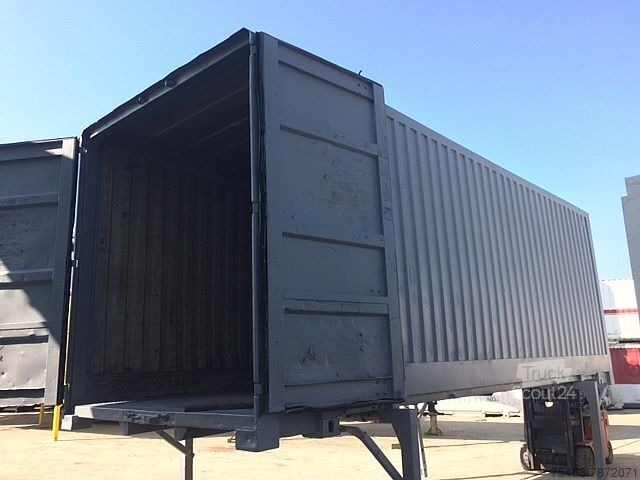
A shipping container home (sometimes called a cargotainer house or containerised dwelling) is a residential structure built from one or more standard inter‑modal containers. These containers are the 20‑foot (6 m) and 40‑foot (12 m) steel boxes that travel the globe packed with goods. Because they’re designed to withstand harsh weather, rough handling, and long‑term stacking, they make a surprisingly robust building envelope.
Quick fact: A single 40‑foot container provides roughly 2,720 sq ft of surface area (including walls, floor, and roof), which translates to about 240 sq ft of livable floor space.
2. Why Consider a Container Home?
| Benefit | What It Means for You |
|---|---|
| Speed of construction | A basic 40‑ft container can be placed on a foundation in a day; interior fit‑out usually finishes within 4‑6 weeks. |
| Cost efficiency | Steel frames are cheaper per square foot than traditional timber framing in many regions. |
| Portability | You can relocate the entire structure (subject to permits) for a fraction of the cost of moving a conventional house. |
| Durability | Containers are built to resist corrosion, fire, and impact—ideal for harsh climates. |
| Eco‑friendly | Repurposing a container reduces waste and the demand for new building materials. |
| Design flexibility | Stack, cut, and combine containers to create custom floor plans, lofts, or even multi‑story homes. |
3. Design Considerations You Must Address
- Insulation & Thermal Comfort
Steel conducts heat and cold quickly. You’ll need a high‑R‑value insulation system—spray foam, rigid board, or blanket batts—plus a vapor barrier to prevent condensation. - Ventilation & Air Quality
Install mechanical ventilation (HRVs or ERVs) and consider operable windows to keep fresh air circulating. - Structural Modifications
Cutting large openings for doors and windows weakens the container’s frame. Reinforce with steel beams or welding to preserve structural integrity. - Electrical & Plumbing
Plan routes before you cut any metal. Use conduit that complies with local electrical codes, and opt for PEX tubing for water lines to avoid corrosion. - Exterior Finishes
Cladding (wood, metal panels, or stucco) protects the container from rain and adds aesthetic appeal. It also improves R‑value when combined with exterior insulation. - Foundation Types
- Concrete slab: Most common, offers a solid, level base.
- Pier & beam: Useful on sloped sites, provides ventilation underneath.
- Trailer chassis: Allows the home to stay mobile (often used in “tiny house on wheels” designs).
4. Real‑World Cost Breakdown
Below is a typical budget for a single‑story, 800‑sq‑ft container home built from two 40‑ft containers. Prices vary by region, material quality, and labor rates.
| Item | Estimated Cost (USD) | Notes |
|---|---|---|
| Containers (2× 40‑ft, used) | $3,500 – $5,000 | Prices depend on age, condition, and market demand. |
| Foundation (concrete slab) | $5,000 – $8,000 | Includes excavation, footings, and poured slab. |
| Structural reinforcement (steel beams, welding) | $2,500 – $4,000 | Required after cutting openings. |
| Insulation (spray foam, 2‑in.) | $6,000 – $9,000 | Provides R‑25–30, critical for climate control. |
| Interior finishes (drywall, flooring, fixtures) | $10,000 – $15,000 | Varies with material choices. |
| Electrical & plumbing | $8,000 – $12,000 | Includes panels, wiring, fixtures, and permits. |
| Exterior cladding & roofing | $4,000 – $7,000 | Metal panels, rain screen, and roof membrane. |
| Labor (general contractor, subcontractors) | $15,000 – $25,000 | Based on 150‑200 hrs of work. |
| Total Approx. | $54,000 – $85,000 | $68 per sq ft on average—significantly lower than conventional builds. |
Tip: If you DIY much of the interior work, you can shave $10,000–$15,000 off the total.
5. Common Misconceptions (and the Truth Behind Them)
- Myth: “Container homes are always tiny.”
Truth: By stacking, side‑by‑side, or adding extensions, you can easily achieve 2,500 sq ft or more. - Myth: “They’re cold in winter, hot in summer.”
Truth: Proper insulation, radiant barriers, and HVAC systems make them comfortable year‑round. - Myth: “You can’t get a mortgage.”
Truth: Many lenders now treat container homes like any other residential property, provided you have a proper appraisal and the home meets local building codes. - Myth: “The steel will rust forever.”
Truth: With corrosion‑resistant coatings, proper drainage, and regular maintenance, steel can last decades without serious rust.
6. Step‑by‑Step Roadmap to Your First Container Home
- Define Your Vision – Sketch a floor plan, decide on the number of containers, and outline your budget.
- Research Local Zoning – Verify setbacks, height limits, and required permits with your city or county planning department.
- Secure Financing – Approach banks, credit unions, or specialty lenders that have experience with alternative housing.
- Purchase Containers – Source from reputable dealers; ask for a condition report and any remaining warranty.
- Hire a Qualified Contractor – Look for firms that have completed at least one container project.
- Design Structural Modifications – Work with a structural engineer to ensure cuts don’t compromise safety.
- Obtain Permits – Submit architectural drawings, engineering calculations, and site plans for approval.
- Prepare the Site – Clear the land, lay the foundation, and set up utility connections.
- Place and Secure Containers – Use a crane to position the units, weld them together, and bolt them to the foundation.
- Insulate, Wire, and Plumb – Install interior systems before closing walls.
- Finish Interior & Exterior – Apply drywall, flooring, cabinetry, and cladding.
- Final Inspection & Certification – Pass the building department’s final walkthrough to receive occupancy approval.
7. Sustainability Snapshot
| Sustainable Feature | Environmental Impact |
|---|---|
| Reused steel | Saves up to 1.5 tons of CO₂ per container compared with producing new steel. |
| Energy‑efficient insulation | Reduces heating/cooling energy by 30‑40 % (depending on climate). |
| Solar‑ready roof | Allows installation of PV panels without structural modifications. |
| Rainwater harvesting | Steel roofs collect water efficiently; can be wired to a storage tank. |
| Modular expansion | Add containers later instead of building new square footage, limiting waste. |
8. Frequently Asked Questions
| Question | Answer |
|---|---|
| Do I need a special permit to live in a container home? | Most jurisdictions treat a container home like any other building. You’ll need a building permit, zoning clearance, and sometimes a special inspection for the steel structure. |
| How long does a container house last? | With proper maintenance, the steel shell can last 50 years or more. The lifespan of interior finishes depends on the materials you choose, just like a conventional home. |
| Can I add a second story? | Yes. Stacking containers is common, but you must hire a structural engineer to design the load‑bearing system and ensure the foundation can support the additional weight. |
| What about fire safety? | Steel is non‑combustible. However, interior finishes must meet local fire‑rating codes (e.g., fire‑resistant drywall). |
| Is it pet‑friendly? | Absolutely—just add pet‑friendly flooring and a fenced outdoor area. The metal walls are easy to clean, too. |
| How do I heat the space efficiently? | Consider a ductless mini‑split heat pump, radiant floor heating, or a high‑efficiency propane heater paired with proper insulation. |
| Can I rent out a container home? | Yes, provided you comply with local short‑term rental regulations and obtain any necessary business licenses. |
| What happens if the container gets dented or punctured? | Small dents can be sanded and repainted. For larger damage, a professional welder can restore structural integrity. |
| Are there financing options specifically for container homes? | Some lenders offer “green” loans or construction loans that can be used for container projects. Check with local credit unions and specialty mortgage firms. |
| Will my insurance premiums be higher? | Not necessarily. Insurance is based on replacement cost, location, and risk factors. A well‑constructed container home typically falls in line with conventional homes. |
9. Final Thoughts – Is a Shipping Container Home Right for You?
You’ve now explored the practicalities, costs, and creative opportunities that container homes provide. The decision ultimately hinges on three personal factors:
- Lifestyle fit – Do you value rapid construction, modular expansion, or a distinctive architectural statement?
- Budget reality – Even though container homes can be cheaper per square foot, they still require a solid financial plan, especially for site work and interior finishes.
- Regulatory climate – Some municipalities welcome innovative housing, while others enforce strict traditional codes. A quick conversation with your local planning department can save months of frustration.
If you answer “yes” to the majority of those prompts, a shipping container home could be the perfect canvas for your next living space.
Remember: the steel shell may be strong, but the true strength of a container home comes from the thoughtful design, diligent planning, and the passion you bring to turning a humble box into a place you love to call home.
Ready to get started? Grab a sketchpad, contact a local structural engineer, and let the journey from cargo box to cozy abode begin. Happy building!