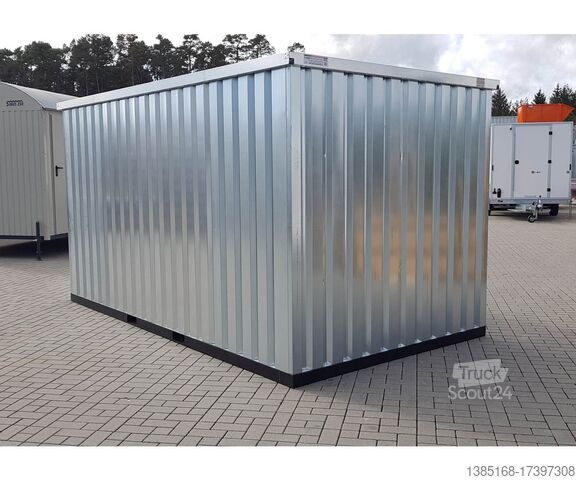
The 40‑Foot Shipping Container: Your Complete Guide
When you hear the phrase “shipping container,” the image that usually pops up is a sturdy steel box sitting on a bustling dock. Among the many sizes that circulate worldwide, the 40‑foot container reigns supreme. Whether you’re an entrepreneur looking to build a pop‑up shop, a homeowner dreaming of a backyard office, or a logistics pro managing freight, understanding the ins and outs of the 40‑ft container will help you make smarter decisions and get the most out of this versatile asset.
Below you’ll find everything you need to know—dimensions, material specs, common applications, buying tips, modification ideas, cost breakdowns, and a handy FAQ. All of it is written for you, the reader who wants practical, actionable information without the jargon.
1. Why the 40‑Foot Container Is the Industry Standard
| Feature | What It Means for You |
|---|---|
| Maximum internal volume – 2,390 cu ft (≈ 68 m³) | More space for cargo, inventory, or a comfortable living area. |
| Standardized dimensions – fits on most trailers, ships, and railcars | Easy to transport; you don’t need a custom chassis. |
| Structural strength – 2 mm to 3 mm Corten steel walls | Robust protection against weather, theft, and impacts. |
| Global availability – manufactured in > 30 countries | You can source a unit locally, reducing shipping fees. |
| Regulated by ISO 668 – internationally recognized standards | Guarantees compatibility with ports, customs, and freight lines. |
Because the 40‑ft container hits the sweet spot between capacity and maneuverability, it’s the go‑to size for:
- International freight – most ocean vessels are optimized for 40‑ft containers.
- Modular construction – a single unit can become a tiny home, workshop, or storage shed.
- Business operations – pop‑up retail, mobile clinics, and remote offices all rely on the predictable footprint.
2. Technical Specs at a Glance
| Specification | Standard (Dry) | High‑Cube (HC) |
|---|---|---|
| External Length | 40 ft (12.192 m) | 40 ft (12.192 m) |
| External Width | 8 ft (2.438 m) | 8 ft (2.438 m) |
| External Height | 8 ft 6 in (2.591 m) | 9 ft 6 in (2.896 m) |
| Internal Length | 39 ft 5 in (12.032 m) | 39 ft 5 in (12.032 m) |
| Internal Width | 7 ft 8 in (2.352 m) | 7 ft 8 in (2.352 m) |
| Internal Height | 7 ft 10 in (2.393 m) | 8 ft 10 in (2.698 m) |
| Tare Weight | 8,000 lb (3,630 kg) | 8,400 lb (3,810 kg) |
| Maximum Gross Weight | 67,200 lb (30,480 kg) | 67,200 lb (30,480 kg) |
| Payload Capacity | 59,200 lb (26,850 kg) | 58,800 lb (26,700 kg) |
| Door Opening | 7 ft 8 in (2.34 m) wide × 7 ft 5 in (2.26 m) high | Same as standard |
| Material | 1.6 mm – 2 mm Corten steel (corrugated) | Same, sometimes 2 mm for added rigidity |
| ISO Rating | ISO 668 | ISO 668 |
Quick Takeaway
If you need an extra foot of headroom for taller equipment (e.g., shelving units, HVAC ducts, or a lofted living area), the high‑cube version is the obvious choice. Otherwise, the standard model offers all the structural benefits at a slightly lower price.
3. Primary Uses – From Cargo to Creative Spaces
a. Freight & Logistics
- Full‑container load (FCL) – Fill the entire box for maximum cost efficiency.
- Less‑than‑container load (LCL) – Share the container with other shippers; ideal for smaller shipments.
b. Storage Solutions
- On‑site warehouse – Secure, weather‑proof space for tools, inventory, or seasonal gear.
- Outdoor office – Mount shelves, a desk, and a small HVAC unit for a compact workstation.
c. Modular Architecture
- Tiny homes – Insulate, install windows, and add a rooftop deck.
- Pop‑up retail – Brand the exterior, add lighting, and you have a mobile storefront.
- Emergency housing – Fast‑deploy shelters for disaster relief.
d. Specialty Conversions
| Conversion | Typical Add‑Ons | Ideal For |
|---|---|---|
| Reefer (refrigerated) | Insulated panels, temperature control unit | Perishables, pharmaceuticals |
| Office/Studio | Drywall, electrical wiring, HVAC | Creative professionals, remote teams |
| Workshop | Heavy‑duty flooring, tool racks, ventilation | Mechanics, carpenters |
| Bathroom/Toilet Unit | Plumbing, water tanks, sewage pump | Construction sites, festivals |
4. How to Choose the Right Container for You
- Define the purpose – Freight, storage, or habitation? Your end‑goal dictates the internal height, insulation, and modifications.
- Calculate the payload – Add up the weight of everything you’ll load. Keep the total below the container’s maximum gross weight (67,200 lb).
Tip: Use a simple spreadsheet:Total weight = tare weight + cargo weight. - Check access points – If you need to move oversized equipment, consider a dual‑door container (doors on both ends) or a side door.
- Assess condition – Look for the ISO 1‑3 rating:
- ISO 1 (new) – No dents, rust, or structural damage.
- ISO 2 (nearly new) – Minor cosmetic wear.
- ISO 3 (used) – May have dents, but still structurally sound.
- Budget vs. longevity – New containers cost more upfront but last longer. Used containers can be a bargain if you’re comfortable handling minor repairs.
5. Buying & Pricing Overview
| Source | Typical Price (USD) | Pros | Cons |
|---|---|---|---|
| New from Manufacturer | $3,500 – $5,500 | Warranty, no rust, latest specs | Higher cost, longer lead time |
| Certified Pre‑Owned (ISO 2) | $2,300 – $3,800 | Good condition, lower price | May have minor dents |
| Used (ISO 3, scrap‑yard) | $1,500 – $2,500 | Cheapest, readily available | Possible rust, limited documentation |
| Online Marketplace (e.g., eBay, ContainerAuction) | $2,000 – $4,500 | Wide selection, competitive bids | Variable seller reliability |
| Leasing/Rental | $150 – $300 per month | No long‑term commitment | Ongoing expense, limited customization |
Hidden Costs to Factor In
- Delivery & placement – $200‑$800 depending on distance and crane fees.
- Permits – Some municipalities require a building permit for on‑site placement.
- Modifications – Insulation ($0.75‑$1.50 per ft²), electrical wiring ($500‑$2,000), windows/doors ($200‑$800 each).
- Maintenance – Paint touch‑ups, rust treatment, and periodic cleaning.
6. DIY Modification Checklist
Note: Always check local building codes before cutting steel or adding utilities.
| Step | Action | Tools/Materials |
|---|---|---|
| 1 | Measure & plan – Sketch a floor plan, locate load‑bearing points. | Tape measure, graph paper, CAD software (optional) |
| 2 | Cut openings – Doors, windows, vents. | Angle grinder, plasma cutter, metal shears, safety gear |
| 3 | Reinforce frames – Add steel brackets around new openings. | Angle iron, welding machine, bolts |
| 4 | Insulate – Spray foam or rigid board. | R‑value calculator, insulation panels, adhesive |
| 5 | Install interior walls – Drywall or plywood. | Screws, drill, level |
| 6 | Wire electricity – Install conduit, outlets, lighting. | Electrical box, wire, circuit breaker |
| 7 | Plumb (if needed) – Set up water tanks, pump, drain. | PVC piping, pump, fittings |
| 8 | Finish exterior – Paint with rust‑inhibiting primer & marine‑grade paint. | Paint sprayer, primer, paint |
| 9 | Ventilation – Add roof vents or fans. | Roof vent, fan, ducting |
| 10 | Final inspection – Verify structural integrity, safety compliance. | Checklist, professional inspector (optional) |
7. Sustainability Angle – Why a Shipping Container Is a Green Choice
- Recycling – A container’s steel is 100 % recyclable. Repurposing extends its life span and reduces landfill waste.
- Energy‑efficient construction – When insulated correctly, a container can achieve R‑values comparable to traditional walls, cutting heating and cooling demand.
- Reduced material use – Building a conventional shed may require lumber, concrete, and drywall. A container provides a ready‑made “shell,” slashing material consumption by up to 40 %.
8. Frequently Asked Questions (FAQ)
Q1: Can I stack a 40‑ft container on top of another?
A: Yes, you can. The standard container is rated for a stacking weight of 120,000 lb (≈ 54,400 kg). However, you’ll need a proper foundation, a certified crane, and compliance with local building codes. Most container parks use a two‑tier stack, with the bottom unit bearing the load.
Q2: How do I prevent condensation inside the container?
A: Insulation is the first line of defense. Combine spray foam (or rigid board) with a vapor barrier on the interior walls. Adding a small dehumidifier or passive ventilation (e.g., ridge vents) helps maintain stable humidity.
Q3: Is a container safe in severe weather (tornadoes, hurricanes)?
A: The steel shell is highly wind‑resistant, but anchoring is crucial. Secure the container to a concrete pad with anchor bolts and use storm brackets on the roof. For extreme events, consider a reinforced foundation and additional bracing.
Q4: Do I need a special license to drive a container on a trailer?
A: In most jurisdictions, a regular commercial driver’s license (CDL) is sufficient if the combined weight of the trailer and container stays under the legal limit (usually 26,000 lb). Check your local Department of Transportation for exact requirements.
Q5: Can I customize the exterior color without voiding warranties?
A: Yes, provided you use marine‑grade paint and follow the manufacturer’s preparation guidelines. A clear sealant over the paint adds extra protection against UV and rust.
Q6: What’s the lifespan of a 40‑ft container?
A: A well‑maintained container can last 30 – 40 years before major structural repairs become necessary. The main enemies are rust and repeated impact; regular inspections and touch‑up painting dramatically extend life.
Q7: How do I finance a container purchase?
A: Options include equipment leasing, business loans, or seller financing (common with used units). Some container manufacturers also offer pay‑as‑you‑go plans for modular building projects.
9. Bottom Line – Is the 40‑Foot Container Right for You?
If you require a versatile, globally recognized, and sturdy enclosure, the 40‑ft shipping container is hard to beat. Its generous volume, robust construction, and adaptability make it suitable for everything from international freight to a personal micro‑home. By evaluating your payload, intended use, and budget—while keeping an eye on local regulations—you can turn a simple steel box into a functional, sustainable asset.
Take the next step: measure your space, sketch your plan, and start comparing prices. Whether you buy new, opt for a certified pre‑owned unit, or decide to lease, the 40‑foot container awaits—ready to be transformed into exactly what you need.