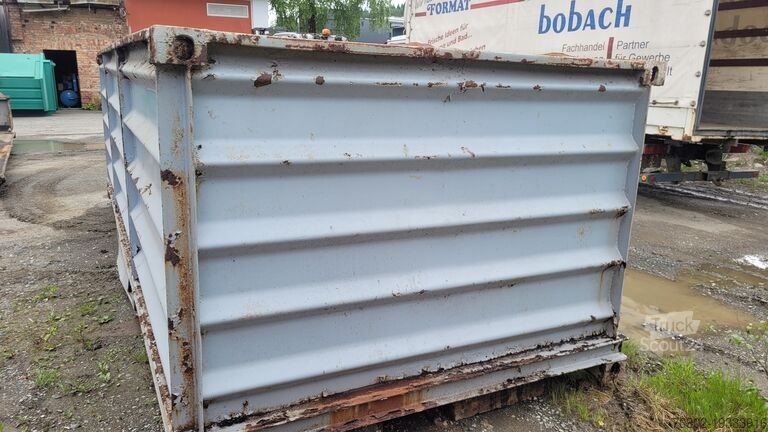
Used Shipping Containers for Sale in the UK – Everything You Need to Know
If you’re looking for a rugged, versatile, and cost‑effective solution for storage, office space, pop‑up retail, or even a tiny home, a used shipping container might be exactly what you need. The UK market is flooded with high‑quality second‑hand containers that have already proven their durability on the high seas. In this guide you’ll discover:
- Why buying used is smarter than buying new
- The most common container types and dimensions
- How to evaluate condition and avoid hidden pitfalls
- Where to source the best deals in the UK
- A step‑by‑step purchasing checklist
- Answers to the most frequently asked questions
All of this is presented in a clear, second‑person style so you can make an informed decision with confidence.
1. Why Choose a Used Shipping Container?
| Feature | New Container | Used Container |
|---|---|---|
| Cost | £2,500‑£5,000 for a 20‑ft unit, £3,500‑£7,000 for a 40‑ft unit | £1,200‑£3,500 for a 20‑ft unit, £2,000‑£5,000 for a 40‑ft unit |
| Availability | Long lead times (4‑8 weeks) | Immediate stock in most depots |
| Environmental Impact | New steel production = high CO₂ | Re‑using reduces waste and carbon footprint |
| Structural Integrity | Pristine, no wear | Still meets ISO 668 standards if inspected |
| Customization | Usually needs modifications later | Often already retro‑fitted (doors, windows, insulation) |
Bottom line: A used container can save you 30‑60 % of the purchase price while still delivering the same structural strength. If you’re budget‑conscious or have a tight project timeline, the used market is the sweet spot.
2. Types & Sizes You’ll Encounter
Shipping containers conform to global ISO standards, which makes sizing straightforward. The three most common categories sold as second‑hand stock in the UK are:
| Type | Standard Length | Standard Width | Standard Height | Typical Use Cases |
|---|---|---|---|---|
| Standard Dry Container (SDC) | 20 ft (6.06 m) / 40 ft (12.19 m) | 8 ft (2.44 m) | 8 ft 6 in (2.59 m) | General storage, workshops, modular offices |
| High‑Cube Dry Container (HCDC) | 40 ft (12.19 m) / 45 ft (13.71 m) | 8 ft (2.44 m) | 9 ft 6 in (2.90 m) | Larger cargo, extra headroom for living spaces |
| Reefer (Refrigerated) Container | 20 ft / 40 ft | 8 ft | 8 ft 6 in | Cold‑chain storage, food‑service, labs |
Pro tip: When you’re buying used, the high‑cube variants are often the best value because the extra foot of height gives you almost 15 % more internal volume without a big price jump.
3. Where to Find Used Containers in the UK
- Specialist Dealers – Companies such as Container Sales Ltd, Cubespace, and Blue Box Containers keep large inventories and offer delivery across the UK.
- Port Auctions – Major ports (Felixstowe, Southampton, Liverpool) hold regular auctions where you can bid on surplus containers at rock‑bottom prices.
- Online Marketplaces – Platforms like eBay, Gumtree, and TradeMe often list local sellers.
- Scrap Yards & Recycling Centres – Many yards dismantle old containers for steel but retain a selection of good‑condition units for resale.
- Direct Owner Listings – Shipping companies or logistics firms sometimes sell off containers that have completed their charter periods.
Tip: Verify that the dealer provides a Condition Report (more on this below) and that the container carries a valid ISO 668 certification number. This ensures the unit meets structural standards.
4. How to Evaluate Condition – The 5‑Point Inspection Checklist
When you walk up to a used container, don’t rely on visual impressions alone. Use this concise checklist to avoid costly surprises:
| # | Inspection Item | What to Look For |
|---|---|---|
| 1 | Exterior Rust | Light surface rust is normal; deep pitting or rust through the steel indicates structural weakness. |
| 2 | Structural Deformation | Check for dents, twists, or bulges in the corners and door frames. |
| 3 | Floor Integrity | Look for cracked or soft floor panels; a solid, level floor is crucial for heavy loads. |
| 4 | Door Functionality | Doors should open/close smoothly, latch securely, and have no warped seals. |
| 5 | Previous Modifications | Verify any retro‑fitting (insulation, windows, electrical) was performed by a certified installer and does not compromise load‑bearing walls. |
If any item raises a red flag, request a photographic report and, if possible, a third‑party inspection before committing.
5. Pricing Overview – What’s a Fair Price?
Below is a quick reference of typical price ranges for used containers in the UK (as of 2024). Prices fluctuate based on condition, location, and market demand, so treat these as starting points.
| Size | Condition | Approx. Price (GBP) |
|---|---|---|
| 20‑ft Standard | Good (minor surface rust) | £1,200 – £1,900 |
| 20‑ft Standard | Excellent (new‑like) | £2,000 – £2,500 |
| 40‑ft Standard | Good | £2,000 – £3,200 |
| 40‑ft Standard | Excellent | £3,300 – £4,500 |
| 40‑ft High‑Cube | Good | £2,600 – £3,800 |
| 40‑ft High‑Cube | Excellent | £4,000 – £5,500 |
| 20‑ft Reefer (non‑working) | Good | £2,500 – £3,200 |
| 20‑ft Reefer (working) | Excellent | £4,500 – £5,800 |
Additional costs to factor in:
- Delivery & Lifting: £80‑£150 per mile for standard 20‑ft units; larger units may incur extra crane fees.
- Modifications: Insulation (£30‑£45 per sq ft), windows (£150 each), doors (£200‑£400).
- Planning Permission: If you intend to place the container on a residential property, you may need a temporary use certificate from your local council.
6. Step‑by‑Step Guide to Buying a Used Container
- Define Your Purpose – Storage? Office? Tiny home? Knowing the intended use will dictate size, insulation, and any required modifications.
- Set a Budget – Include purchase price, delivery, taxes, and refurbishment. Use the pricing table above as a benchmark.
- Scout Suppliers – Compare at least three reputable dealers. Ask for recent Condition Reports and photographs.
- Inspect the Unit – Use the 5‑Point Checklist in person or request a video walkthrough.
- Confirm Documentation – Ensure the container has a valid ISO 668 number, a C-2 or C-3 certification (if applicable), and a Bill of Sale that lists chassis number, dimensions, and condition.
- Negotiate – Highlight any minor defects to secure a discount or request free modifications.
- Arrange Transport – Provide clear delivery coordinates and confirm road‑access permits (especially for oversized 45‑ft units).
- Finalize Payment – Prefer bank transfer or escrow services to protect both parties.
- Plan Installation – If you need a foundation (concrete pads, steel frames), engage a certified installer before the container arrives.
- Register (if required) – For containers used as habitable spaces, you may need to register with the Local Authority and obtain a Certificate of Compliance.
7. Frequently Asked Questions (FAQ)
Q1: Are used shipping containers legal to use as permanent dwellings?
A: Yes, but you must comply with Building Regulations and obtain planning permission where required. Insulation, ventilation, and fire safety are mandatory for habitable use.
Q2: How long do used containers typically last?
A: With proper maintenance, a steel container can exceed 30‑40 years. The key is to control rust, keep the roof watertight, and avoid overloading beyond its rated 28‑tonne payload.
Q3: Can I purchase a container without a delivery service?
A: Absolutely. Many dealers allow you to pick up the container directly from their depot. However, you’ll need a suitable truck and a licensed crane if you’re handling a 40‑ft or high‑cube unit.
Q4: What’s the difference between a “C‑2” and a “C‑3” container?
A: Both designations refer to the condition of the container. C‑2 indicates a lightly used container with minor wear, while C‑3 signifies a more heavily used unit with visible dents or patches. Pricing usually reflects this grade.
Q5: Is it possible to customize a container before delivery?
A: Most reputable dealers can arrange factory‑fit options (e.g., pre‑installed doors, windows, electrical wiring). This saves you the hassle of in‑site modifications but will increase the upfront cost.
Q6: Do I need to worry about hazardous residues from previous cargo?
A: For dry containers that have carried non‑hazardous goods, a simple interior cleaning is sufficient. If the container previously held chemicals, food, or pharmaceuticals, request a deep cleaning and a certificate of decontamination.
Q7: How do I protect a container from rust after purchase?
A: Apply a marine‑grade anti‑corrosion paint to the exterior, especially around seams and corners. Install a roof overhang or place the container on a concrete pad to keep the base dry.
8. Tips for Getting the Best Value
- Buy in Bulk – If you need multiple units (e.g., a modular office park), ask for a volume discount.
- Seasonal Timing – Late autumn often sees lower prices as dealers clear inventory before winter.
- Leverage Auctions – Bring a trusted inspector to port auctions; you can snag a near‑new container for 30‑40 % less than retail.
- Consider “Near‑New” Refurbished Units – Some suppliers refurbish containers to a like‑new standard and sell them at a modest premium over used‑grade units. The peace of mind can be worth it.
- Future‑Proof with Insulation – Adding Spray‑Foam or Rigid Board insulation now will save you energy costs if you later convert the container into a living or office space.
9. Final Thoughts
Choosing a used shipping container in the UK is a strategic decision that blends affordability, sustainability, and flexibility. By understanding the types, inspecting condition meticulously, and following the step‑by‑step purchase plan outlined above, you’ll secure a solid, long‑lasting asset that serves your unique needs—whether that’s a secure storage solution for your business, a pop‑up café in a city park, or the foundation of an innovative tiny home.
Remember: the right container can become the backbone of your project. Take the time to compare offers, verify documentation, and plan for any required modifications. With the knowledge you now have, you’re ready to navigate the UK used‑container market confidently and make a purchase that delivers value for years to come.
Happy hunting! 🚢✨