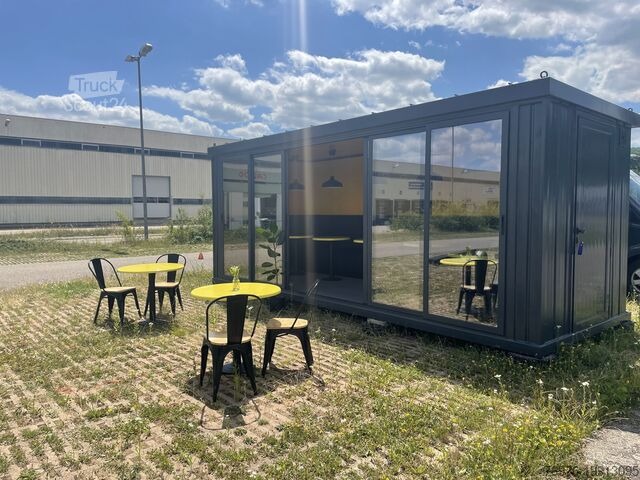
Container Buildings: A Practical Guide for the Modern Builder
If you’re looking for a fast, flexible, and sustainable way to create office space, housing, pop‑up shops, or even a full‑scale hotel, the answer may be right in front of you – a shipping container.
In the next 1,000‑plus words you’ll discover what container buildings are, why they’re gaining momentum, how to design and construct them, and what costs to expect. We’ll also walk through a handy cost‑comparison table, a step‑by‑step checklist, and a FAQ that tackles the most common doubts. By the end of this post you’ll have a clear roadmap to decide whether a container‑based project fits your needs and how to move forward with confidence.
1. What Exactly Is a “Container Building”?
A container building is any structure that uses one or more standard intermodal shipping containers (the steel boxes that travel on cargo ships, trains, and trucks) as the primary building block. These containers come in three standard dimensions:
| Size | External Dimensions (L × W × H) | Internal Volume | Typical Weight |
|---|---|---|---|
| 20‑foot (TEU) | 20 ft × 8 ft × 8.5 ft | ~1,170 ft³ | ~2,300 lb |
| 40‑foot (FEU) | 40 ft × 8 ft × 8.5 ft | ~2,340 ft³ | ~4,800 lb |
| 40‑foot High‑Cube | 40 ft × 8 ft × 9.5 ft | ~2,700 ft³ | ~5,000 lb |
Because these containers are already certified for structural integrity, they provide a ready‑made, weather‑tight “shell” that can be stacked, cut, and modified much like LEGO bricks. When you stack two 40‑ft containers side‑by‑side and insert a few interior walls, you’ve essentially built a 640 sq ft office floor in a matter of days.
2. Why Choose Container Buildings?
Speed
- Foundation to occupancy can be as short as 4‑6 weeks for a simple office pod, versus 4‑6 months for conventional construction.
- Prefabricated components (doors, windows, electrical panels) are pre‑wired and pre‑finished, slashing on‑site labor.
Cost Efficiency
- Material cost is roughly 30‑50 % lower than traditional masonry or steel framing for comparable square footage.
- The modular nature reduces waste; you only cut what you need.
Sustainability
- Up‑cycling: A used container gives a second life to steel that would otherwise be scrapped.
- Reduced carbon footprint: Less concrete and timber means lower embodied CO₂.
- Energy‑efficient options: Insulated panels, solar‑ready roofs, and green walls are easily integrated.
Flexibility & Mobility
- You can relocate a container building in a single day with a crane.
- The same unit can serve as a pop‑up café today and a tiny home tomorrow with only interior re‑fit.
3. Key Design Considerations
| Consideration | What You Need to Do | Typical Solutions |
|---|---|---|
| Structural Modifications | Determine where you’ll cut openings (doors, windows, openings for stairways). | Reinforce cut edges with steel plates or fabricated frames. |
| Thermal Insulation | Steel conducts heat and cold quickly. | Install spray‑foam, rigid foam panels, or insulated sandwich panels on interior/exterior. |
| Ventilation & HVAC | Closed steel boxes can cause condensation. | Use ducted mini‑split systems, rooftop vents, or passive stack ventilation. |
| Electrical & Plumbing | Plan for conduit routes before cutting walls. | Run “raceways” along existing structural ribs; use pre‑drilled floor hatches. |
| Exterior Aesthetics | Raw corrugated steel may not suit all contexts. | Add cladding (wood, metal panels, brick veneer) or paint with industrial‑grade coatings. |
| Regulatory Compliance | Building codes differ per jurisdiction. | Engage a local architect/engineer early; ensure fire rating, egress, and accessibility meet standards. |
4. From Idea to Reality: A Step‑by‑Step Checklist
- Define the Program – square footage, occupancy, required rooms, and timeline.
- Select Container Types – decide on 20‑ft vs. 40‑ft, high‑cube for extra headroom.
- Sketch a Layout – simple 2‑D plan or 3‑D model using free software (SketchUp, Fusion 360).
- Consult Local Authorities – obtain zoning, permits, and fire‑code approvals.
- Hire a Specialist Contractor – look for firms with proven container‑building projects.
- Order the Containers – new (new‑build) for pristine condition, or used (ISO‑certified) for cost savings.
- Prepare the Site – lay a concrete slab, steel footings, or simple piers (depends on load).
- Delivery & Positioning – use a crane or forklift; anchor each container securely.
- Cut & Reinforce – create openings, reinforce structural integrity.
- Install Insulation & Interior Finish – spray‑foam, drywall, flooring, ceiling panels.
- Run MEP (Mechanical, Electrical, Plumbing) – align with pre‑planned raceways.
- Exterior Cladding & Roofing – optional but recommended for aesthetics and weather protection.
- Final Inspection & Occupancy – schedule a building‑official inspection; obtain a certificate of occupancy.
5. Cost Breakdown: Container Building vs. Conventional Build
| Cost Element | Container Building (per sq ft) | Conventional Build (per sq ft) | Typical Savings |
|---|---|---|---|
| Base Structure | $45–$70 (container + steel reinforcement) | $120–$180 (steel frame + sheathing) | 55 % |
| Foundation | $8–$12 (simple slab or piers) | $12–$20 (full concrete footings) | 30 % |
| Insulation & Finish | $30–$45 (foam + interior panels) | $45–$70 (walls, drywall, paint) | 35 % |
| MEP (Mechanical, Electrical, Plumbing) | $25–$35 (prefabricated kits) | $30–$50 (custom routing) | 20 % |
| Labor | $20–$30 (modular assembly) | $35–$55 (traditional trades) | 45 % |
| Total Approx. Cost | $128–$192 | $262–$395 | ~50 % |
Numbers are based on U.S. market data for 2024–2025 and will vary by region, design complexity, and material choice.
6. Real‑World Examples
| Project | Location | Container Count | Use | Notable Feature |
|---|---|---|---|---|
| The Stack | Portland, OR | 12 × 40‑ft | Co‑working hub | Fully insulated, green roof, and rooftop solar. |
| Casa Container | Medellín, Colombia | 4 × 20‑ft | Low‑cost housing | Recycled containers painted with local murals, community-built. |
| Pop‑Up Café “BrewBox” | Tokyo, Japan | 2 × 40‑ft | Café & retail | Quick‑assembly for seasonal festivals, removable interior fit‑out. |
| Eco‑Lodge “Blue Reef” | Maldives | 6 × 40‑ft (high‑cube) | Boutique resort | Float‑on‑water platform, seawater‑cooled HVAC. |
These case studies illustrate the versatility of container architecture: from urban workplaces to remote eco‑resorts, the core concept remains the same – a modular, steel box that can be adapted to any program.
7. Challenges and How to Overcome Them
| Challenge | Why It Happens | Mitigation Strategy |
|---|---|---|
| Condensation & Moisture | Steel walls create temperature differentials. | Install a continuous vapor barrier, use insulated panels, and provide adequate ventilation. |
| Corrosion | Salt‑air environments or poor paint finish can rust the steel. | Apply marine‑grade primers, use stainless‑steel fasteners, and perform regular inspections. |
| Limited Width (8 ft) | Standard containers are only 8 ft wide, which may feel cramped. | Combine multiple containers side‑by‑side, or use “double‑wide” modules created by welding two containers together. |
| Building Code Hurdles | Some jurisdictions still treat containers as “temporary structures”. | Supply structural calculations, fire‑rating reports, and demonstrate compliance with local codes. |
| Acoustic Performance | Thin steel walls can transmit sound. | Add acoustic insulation (e.g., mineral wool) and double‑layer drywall with resilient channels. |
8. Future Trends: Where Is the Industry Heading?
- Hybrid Materials – Combining container steel frames with timber or cross‑laminated timber (CLT) panels for a warmer interior aesthetic.
- Smart Integration – Built‑in IoT sensors for temperature, humidity, and structural health monitoring.
- Circular Economy Models – Subscription‑based “container‑as‑a‑service” where companies lease fully‑fitted pods and return them for refurbishment at the end of their life.
- Advanced Insulation – Vacuum‑insulated panels (VIPs) that provide R‑30+ performance within a half‑inch thickness, making containers viable in extreme climates.
- 3‑D‑Printed Add‑Ons – Custom facade elements printed on‑site to give each building its own identity without compromising modularity.
9. Frequently Asked Questions
Q1: Do I need a special permit to use a shipping container as a building?
Yes. While many jurisdictions treat containers as “alternative structures,” you still need to meet local building codes for fire safety, egress, and structural load. Early engagement with the planning department can smooth the process.
Q2: Can I stack containers more than two stories high?
Absolutely. A standard 40‑ft container can safely support up to three or four stacked units when properly anchored to a concrete slab or steel frame. For taller structures, consult a structural engineer to verify load distribution.
Q3: How long does a container last before it needs replacement?
The steel shell itself has a lifespan of 30‑50 years if properly maintained. The interior finishes will need periodic updating, much like any building, but the overall “box” can serve many generations.
Q4: Are container homes comfortable in extreme climates?
Yes, provided you invest in proper insulation, HVAC, and moisture control. High‑cube containers give extra headroom for ductwork, and spray‑foam insulation can achieve R‑25–R‑30 levels.
Q5: What about resale value?
Well‑designed container units in desirable locations have shown comparable resale values to prefabricated timber homes. Their uniqueness can be a selling point, especially for environmentally‑conscious buyers.
Q6: Can I customize the exterior appearance?
Definitely. You can wrap the exterior in cladding (metal panels, wood slats, or composite panels) or apply high‑quality paint. Some architects even embed living walls or vertical gardens for a green façade.
Q7: Is there a waste issue when cutting openings in the container?
Cutting steel produces scrap, but the waste is recyclable. Many contractors partner with metal recyclers to ensure that off‑cuts become new steel products rather than landfill.
10. Take the First Step
If you’ve read this far, you’re probably already visualizing how a container building could serve your next project—whether it’s a fast‑track office, a portable clinic, or a sleek micro‑apartment. The key takeaway is that container architecture offers an affordable, sustainable, and adaptable alternative to conventional construction, but success hinges on thoughtful design, compliance with local codes, and partnering with experienced specialists.
Ready to move forward? Start by sketching a rough floor plan, then reach out to a local modular‑construction firm for a feasibility study. In just a few weeks you could have a clear budget, a timeline, and a concrete path to turning steel boxes into vibrant spaces that meet your needs—today and tomorrow.
Happy building!