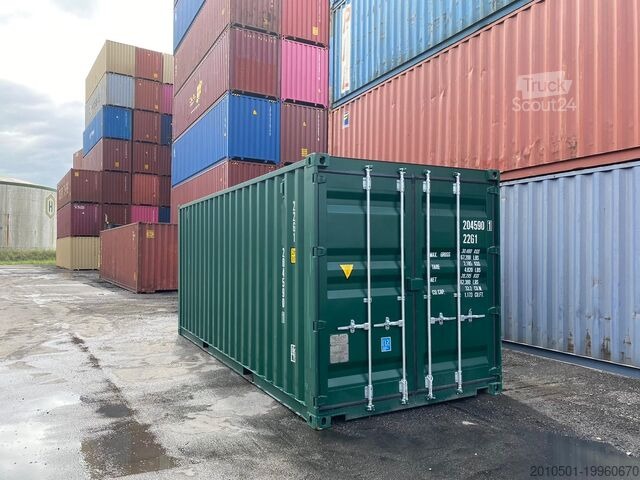
Container Conversions in the UK: A Complete Guide for You
Whether you’re dreaming of a compact city‑flat, a stylish office pod, or an eco‑friendly granny‑flat, repurposing a shipping container has become one of the most popular ways to add space quickly and sustainably. This guide walks you through everything you need to know—from the basics of container sizes, through planning permission and budgeting, to the top UK firms that can turn steel boxes into livable rooms.
1. Why Choose a Container Conversion?
| Benefit | What It Means for You | Typical Example |
|---|---|---|
| Speed | A container can be turned into a finished space in 8‑12 weeks, compared with 6‑12 months for a traditional build. | A pop‑up café opening for a summer festival. |
| Cost‑Effective | Steel frames are cheaper than bricks and mortar, especially when you reuse an existing box. | A two‑bedroom flat for £85,000 vs. £130,000 for a conventional build. |
| Eco‑Friendly | You’re recycling a product that would otherwise sit idle in a port yard. | A “zero‑waste” office that reuses a decommissioned 40‑ft container. |
| Mobility | Containers can be relocated with a crane or flat‑bed truck. | A traveling exhibition that moves between UK cities. |
| Modular Design | Stack or join multiple containers to expand floor area without major structural changes. | A three‑storey office complex formed from six 20‑ft containers. |
If any of those points resonate with you, a container conversion could be the solution you’ve been looking for.
2. Understanding the Basics: Container Types & Sizes
In the UK, the most common steel shipping containers are the ISO‑standard 20‑foot and 40‑foot units. Below is a quick reference table that summarises dimensions, internal volume, and typical conversion uses.
| Container Type | External Dimensions (L × W × H) | Internal Dimensions (L × W × H) | Internal Volume | Typical Uses |
|---|---|---|---|---|
| 20‑ft Standard | 6.06 m × 2.44 m × 2.59 m | 5.90 m × 2.35 m × 2.39 m | 33 m³ | Tiny homes, studio apartments, storage units |
| 40‑ft Standard | 12.19 m × 2.44 m × 2.59 m | 12.03 m × 2.35 m × 2.39 m | 67 m³ | Two‑bedroom flats, offices, small cafés |
| 20‑ft High‑Cube | 6.06 m × 2.44 m × 2.90 m | 5.90 m × 2.35 m × 2.70 m | 36 m³ | Home offices, workshops, pop‑up shops |
| 40‑ft High‑Cube | 12.19 m × 2.44 m × 2.90 m | 12.03 m × 2.35 m × 2.70 m | 76 m³ | Boutique hotels, multi‑room apartments, community hubs |
Tip: High‑cube containers give you an extra 30 cm of headroom for free—ideal if you plan to install lofted ceilings or mezzanine levels.
3. The Legal Landscape: Planning Permission & Building Regulations
3.1 Do You Need Planning Permission?
In England, most container conversions are considered “permitted development” if they meet certain criteria:
| Condition | What It Means for You |
|---|---|
| Size | The building cannot exceed 50 % of the land area of the site. |
| Height | No higher than 4 m for a single storey (or 7 m if a second storey is added). |
| Location | Must be at least 2 m from any road or highway and 3 m from a neighboring property. |
| Use | Residential, office, or “temporary” uses are allowed. |
If your project violates any of these, you’ll need to submit a full planning application to the local council. Always check the Local Authority’s Planning Portal first—requirements can differ between counties (e.g., Greater London vs. rural Cumbria).
3.2 Building Regulations
Even if planning permission isn’t required, the conversion must still comply with UK Building Regulations (Approved Document B for fire safety, Part L for energy efficiency, Part M for accessibility, etc.). The most common hurdles are:
- Thermal insulation – Steel conducts heat, so you’ll need internal insulation to meet Part L.
- Fire safety – Adequate escape routes, fire‑resistant cladding, and smoke alarms are mandatory.
- Structural alterations – Cutting openings for doors/windows may require a structural engineer’s sign‑off.
Most reputable conversion firms will manage these compliance steps for you, but it’s useful to know what they entail before you sign a contract.
4. Cost Breakdown: What Should You Budget For?
Below is a realistic cost range for a typical two‑bedroom, 40‑ft high‑cube conversion (including planning, fit‑out, and finishing). Prices vary based on location, finish level, and whether you hire a specialist contractor or act as a self‑builder.
| Cost Item | Low‑End (£) | Mid‑Range (£) | High‑End (£) |
|---|---|---|---|
| Container purchase (used) | 2,500 | 4,000 | 6,500 |
| Transport & delivery | 800 | 1,200 | 2,000 |
| Structural modifications (cutting, reinforcement) | 2,000 | 3,500 | 5,500 |
| Insulation & internal wall finish | 3,000 | 5,500 | 8,000 |
| Electrical & plumbing | 4,000 | 6,500 | 9,500 |
| Heating/cooling (air‑source heat pump, etc.) | 2,500 | 4,000 | 6,000 |
| Windows, doors, glazing | 1,200 | 2,200 | 3,500 |
| Interior fit‑out (kitchen, bathroom, flooring) | 5,000 | 8,500 | 12,000 |
| Planning & Building Regs. fees | 500 | 1,000 | 1,500 |
| Contingency (10 % of total) | 2,000 | 3,500 | 5,000 |
| Total | ≈ 26,500 | ≈ 44,200 | ≈ 60,500 |
Quick Calculator: Multiply the container length (in metres) by 1,200 £ to get a rough “base” price for a basic steel shell. Add ~15 % for transport and ~30 % for fit‑out to sketch a first‑pass budget.
5. Step‑by‑Step: How to Turn a Box into a Home
- Define Your Brief – Sketch the rooms you need, desired square footage, and any special features (e.g., rooftop deck).
- Choose the Right Container – Use the table in Section 2 to match size and height with your brief.
- Locate a Site – Ensure the plot meets permitted‑development criteria or be ready to apply for permission.
- Hire a Specialist – Look for UK‑registered firms with a portfolio of completed conversions (see Section 8).
- Secure Planning & Building Consent – Your contractor will usually submit the paperwork; you’ll pay the fees.
- Transport & Foundations – Most conversions sit on a concrete slab or timber frame; the container is craned into place.
- Structural Modifications – Walls are cut for doors/windows; reinforcement plates are welded where needed.
- Thermal & Acoustic Insulation – Spray‑foam, rigid board, or mineral wool are common choices.
- Services Installation – Electrical wiring, plumbing, and HVAC are routed through the container’s interior studs.
- Internal Fit‑Out – Install plasterboard, flooring, kitchen units, bathroom fixtures, and finishes.
- Final Inspection – The local Building Control body will sign off on compliance.
- Move In & Enjoy – Add furniture, décor, and personal touches to make the space truly yours.
6. Top UK Companies for Container Conversions
| Company | Region | Notable Projects | Services Offered |
|---|---|---|---|
| Cubic Homes | London & South East | 52‑unit “Cubic Village” social housing scheme | Full‑turnkey design, planning, build, after‑care |
| Container Solutions Ltd | West Midlands | Portable offices for automotive plants | Modular office pods, onsite installation |
| Boxpark | Nationwide (pop‑up retail) | Pop‑up food courts in major cities | Short‑term retail & event structures |
| Haven Homes | Scotland | Eco‑friendly tiny homes in the Highlands | Custom residential conversions, off‑grid options |
| SteelHaus | North East | 3‑storey boutique hotel in Newcastle | High‑end hospitality conversion, interior design |
When contacting a firm, ask for:
- A detailed quotation that separates container purchase, transport, and interior fit‑out.
- References from recent clients—preferably projects of similar size and use.
- Proof of insurance and a Health & Safety plan for site work.
7. Common Pitfalls & How to Avoid Them
| Pitfall | Why It Happens | Prevention |
|---|---|---|
| Under‑estimating Insulation Costs | Steel walls feel cold; homeowners skim over thermal requirements. | Include at least 150 mm of high‑performance insulation in your budget. |
| Planning Permission Surprises | Rural councils often have stricter rules about out‑buildings. | Perform a pre‑application check with your local authority. |
| Moisture & Condensation | Poor ventilation leads to damp spots inside the steel shell. | Install a vapour‑control layer and mechanical ventilation with heat recovery (MVHR). |
| Structural Weakness After Cutting Openings | Removing large sections for windows can compromise integrity. | Use a structural engineer to design reinforcing steel plates. |
| Over‑looking Accessibility | Future-proofing for wheelchair access is often ignored. | Design door widths ≥ 850 mm and consider level thresholds. |
8. Frequently Asked Questions (FAQ)
Q1: Can I convert a container into a permanent residence?
A: Yes. As long as the conversion meets Building Regulations and any local planning requirements, a container can be legally used as a permanent home.
Q2: How long does a conversion typically take?
A: From design to move‑in, a standard two‑bedroom conversion takes 8‑12 weeks for a turnkey contractor. Self‑build timelines can stretch to 4‑6 months.
Q3: Are there financing options available?
A: Some specialist lenders offer green mortgages for container homes, and many UK banks treat them like traditional property loans once the build is complete and registered with the Land Registry.
Q4: What about renewable energy?
A: Container homes pair well with solar PV panels (roof‑mounted) and air‑source heat pumps. High‑cube units provide enough roof space for a modest solar array.
Q5: Do I need a separate planning application for each container in a multi‑unit development?
A: No. If the entire development complies with permitted‑development limits, a single application covers the whole site. For larger schemes, the council may request a “site‑specific” plan.
Q6: How sustainable is a container conversion compared to a brick house?
A: A life‑cycle assessment shows a container conversion can reduce embodied carbon by 30‑40 % because the steel is reused and the construction period (and associated waste) is far shorter.
Q7: Can I add a loft or mezzanine?
A: Absolutely. High‑cube containers provide enough internal height for a half‑height mezzanine (≈ 1.2 m). You’ll need to reinforce the floor joists and possibly obtain a structural engineer’s sign‑off.
9. Quick Checklist Before You Start
- Verify site complies with permitted‑development rules or submit a planning application.
- Choose container size (20 ft vs. 40 ft, standard vs. high‑cube).
- Get multiple quotes from at least three reputable conversion firms.
- Budget for a 10‑15 % contingency for unforeseen works.
- Arrange financing or savings plan.
- Confirm that the contractor will manage Building Regulations compliance.
- Schedule a site visit with a structural engineer if you plan large openings.
- Plan for insulation, ventilation, and renewable‑energy installations early.
10. Final Thoughts
Container conversions are more than a trendy shortcut—they’re a practical, sustainable route to extra space that can be customised to suit almost any lifestyle. By understanding the legal framework, budgeting realistically, and partnering with experienced specialists, you can transform a rugged steel box into a comfortable, stylish home or workplace in just a few months.
Ready to start your project? Grab a pen, tick off the checklist above, and reach out to a local conversion firm. In the UK, the steel box is waiting—your new space is just a few cuts and bolts away.
Happy building!