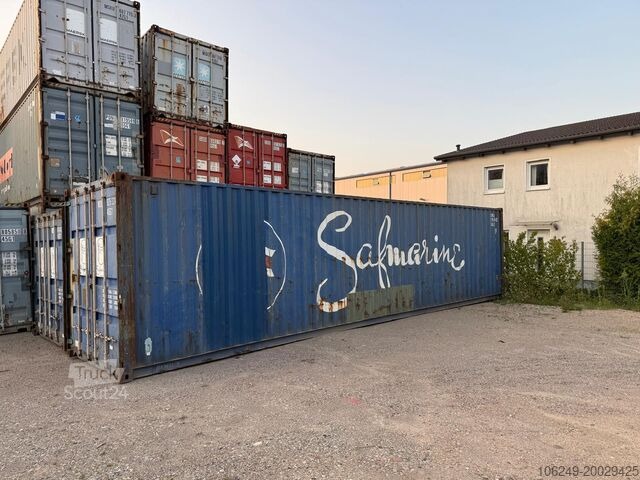
Freight Containers for Sale Near Me: A Complete Guide to Finding, Buying, and Using the Right Container
When you type “freight containers for sale near me” into a search engine, you’re probably looking for a reliable, cost‑effective solution for storage, shipping, or even a unique building project. Whether you’re a small‑business owner who needs extra warehouse space, a DIY enthusiast planning a backyard office, or a logistics manager hunting for replacement units, the market for freight containers is larger and more varied than you might expect.
In this post you’ll discover:
- Where to look for containers close to your location
- What to inspect before you sign the contract
- How to compare specs, prices, and vendors using a handy table
- Tips for transportation, modification, and maintenance
- Answers to the most common questions
All of it is written in a second‑person voice, so you can picture yourself walking through the buying process step by step.
1. Why Choose a Freight Container?
| Benefit | How It Helps You |
|---|---|
| Durability | Made of COR-TEN steel, containers resist rust, dents, and harsh weather for decades. |
| Standardized dimensions | 20‑ft and 40‑ft units fit seamlessly onto trucks, trains, and ships—no custom engineering required. |
| Cost‑effective storage | Usually $1,500–$4,000 for a used unit versus $5,000+ for a purpose‑built shed. |
| Versatility | Convert to offices, workshops, pop‑up shops, or even tiny homes with minimal modifications. |
| Security | Heavy‑duty lockboxes and reinforced doors keep inventory safe. |
If any of those bullets line up with your needs, a freight container could be the perfect solution.
2. Where to Find Freight Containers “Near Me”
2.1. Local Dealers and Scrap Yards
Most mid‑size cities have at least one specialized container dealer. They typically keep an inventory of new, used, and refurbished units onsite, which means you can inspect the container before you buy. Search for:
- “Container sales near [your city]”
- “Used shipping containers [your county]”
- “Industrial storage containers [state]”
2.2. Online Marketplaces
Websites such as eBay Motors, Craigslist, Facebook Marketplace, and ContainerTrader.com list containers with seller locations. Many of these platforms let you filter by distance, giving you a quick visual of how close each option is.
2.3. Port Authority Auctions
Ports often auction off decommissioned containers at a fraction of market price. If you’re willing to travel a short distance to the nearest seaport, you can score a great deal—just be ready for a “as‑is” condition.
2.4. Container Rental Companies
If you only need a container temporarily, rental firms (e.g., PalletOne, Mobile Mini) sometimes sell off older stock at discount rates. This can be a win‑win: you get a container that’s been maintained, and you avoid the hassle of long‑term storage.
3. What to Inspect Before Buying
Before you commit, walk the container (or ask for a video tour) and check these key items:
- Exterior Condition
- Look for rust patches larger than 1/4 inch—these can spread.
- Verify the paint is intact; peeling paint may indicate corrosion underneath.
- Door Alignment & Seals
- Open and close both doors; they should operate smoothly without grinding.
- Check the rubber gasket for cracks—water infiltration is a major concern.
- Floor and Roof
- Inspect the wooden floorboards (if present) for rot or splintering.
- Ensure the roof isn’t dented; a compromised roof can cause leaks.
- Structural Integrity
- Tap the corners; a solid “hollow metal” sound indicates no hidden damage.
- Verify that all corner castings are intact—these are the primary load‑bearing points.
- Documentation
- Ask for the CFS (Container Freight Station) certificate or CSC (Convention for Safe Containers) plate. This proves the container meets international safety standards.
4. Comparing Options: A Quick Reference Table
| Container Size | Typical Dimensions (L×W×H) | Approx. Price (Used) | Condition | Ideal Uses |
|---|---|---|---|---|
| 20‑ft Standard | 20’ × 8’ × 8’ 6” | $1,500 – $2,800 | Good – Minor dents | Small‑scale storage, vending kiosks |
| 20‑ft High‑Cube | 20’ × 8’ × 9’ 6” | $1,800 – $3,200 | Excellent – No rust | Taller equipment, workshop |
| 40‑ft Standard | 40’ × 8’ × 8’ 6” | $2,800 – $4,500 | Fair – Some surface rust | Large inventory, mobile offices |
| 40‑ft High‑Cube | 40’ × 8’ × 9’ 6” | $3,200 – $5,200 | Excellent – Fresh paint | Full‑size warehouse, pop‑up stores |
| 45‑ft High‑Cube | 45’ × 8’ × 9’ 6” | $4,200 – $6,500 | Good – Minor dents | Bulk storage, container homes |
Prices vary by region, condition, and vendor. Always request a written quote that includes delivery fees.
5. Getting the Container to Your Site
5.1. Delivery Options
| Delivery Method | Pros | Cons |
|---|---|---|
| Full‑Truckload (FTL) | Fast, single‑trip delivery | Higher cost if you only need one container |
| Less‑Than‑Truckload (LTL) | Lower cost when sharing space | May require multiple deliveries, longer lead time |
| Self‑Pickup | Cheapest if you have a suitable vehicle | Requires a forklift or crane; safety risks |
Most sellers will handle the logistics for a fee (typically $150‑$300 per mile for local deliveries). If you have a large lot, ask whether they can drop the container directly onto your ground or if you’ll need a pallet jack to move it into position.
5.2. Permits & Zoning
Before the container arrives, verify:
- Zoning permits – Some municipalities restrict containers in residential zones.
- Set‑back requirements – You may need to keep a certain distance from property lines or utilities.
- Street access permits – If the container must be placed on a public road for loading, a temporary permit may be required.
Checking these items early prevents costly delays.
6. Modifying Your Container
A freight container is essentially a blank canvas. Here are the most common upgrades:
- Insulation & HVAC – Spray foam or panel insulation plus a small rooftop AC unit keeps the interior climate‑controlled.
- Windows & Skylights – Cutouts can be fitted with pre‑framed windows for natural light.
- Electrical Wiring – Install a breaker panel, outlets, and LED lighting for a functional workspace.
- Interior Partitioning – Add shelving, workbenches, or office cubicles.
- Exterior Finishes – Paint or wrap the container to match branding or aesthetic preferences.
When you modify, always consult a structural engineer for cuts that intersect the frame, especially on the corners or door openings.
7. Maintaining Your Container
A container’s lifespan can exceed 30 years if cared for properly. Follow this simple maintenance checklist:
| Maintenance Task | Frequency | How to Perform |
|---|---|---|
| Inspect for rust | Quarterly | Use a wire brush on any rust spots; treat with rust‑inhibiting primer. |
| Lubricate hinges & locks | Every 6 months | Apply silicone spray; avoid oil that can attract dust. |
| Check door seals | Annually | Replace cracked gaskets to prevent water ingress. |
| Clean interior | Bi‑annually | Vacuum dust; mop concrete floor with a mild detergent. |
| Repaint exterior | Every 5–7 years | Primer → two coats of marine‑grade paint. |
A well‑maintained container keeps its resale value high—often 70‑80% of the original purchase price after a decade.
8. Frequently Asked Questions (FAQ)
Q1: How far can a 40‑ft container be transported without a special permit?
A: In most U.S. states, a 40‑ft container on a standard trailer is under the 53‑ft length limit for road transport, so no special permit is required for interstate travel. However, check local regulations for oversize loads if you need a crane or an extended trailer.
Q2: Are used containers safe for storing food or pharmaceuticals?
A: Yes, provided the container is CSC‑certified, clean, and free from hazardous residues. You may need to add interior linings (e.g., food‑grade epoxy) to meet FDA or ISO standards.
Q3: What is the difference between a “standard” and a “high‑cube” container?
A: A high‑cube container adds an extra foot of interior height (9’6″ vs. 8’6″), giving you roughly 10% more volume—ideal for taller items or adding a mezzanine floor.
Q4: Can I stack containers on top of each other?
A: Yes. Standard containers are rated for a stack height of up to 8 units (≈ 320 ft) when placed on a proper foundation. If you plan to stack, ensure the bottom unit is on a level, reinforced surface.
Q5: How do I finance a container purchase?
A: Many dealers offer lease‑to‑own options, equipment financing through banks, or even Small Business Administration (SBA) loans. Compare APRs and term lengths to find the best fit.
Q6: Do I need a license to modify a container?
A: No specific license is required for interior modifications, but structural changes (e.g., cutting large openings) may need a licensed contractor or engineer, especially if local building codes apply.
Q7: What’s the best way to secure a container against theft?
A: Use a high‑security padlock with a hardened steel shackle, install a CCTV system, and consider a reinforced steel door. Adding a GPS tracker can also help locate a stolen unit.
9. Quick‑Start Checklist: Purchasing a Freight Container Near You
- Define purpose – storage, office, home, or transport.
- Search locally – use “freight containers for sale near me” plus city name.
- Create a shortlist – note price, condition, and delivery options.
- Inspect – follow the checklist in Section 3 or request a video walkthrough.
- Verify paperwork – CSC plate, inspection certificate, and VIN.
- Arrange delivery – confirm permits, set‑back, and site preparation.
- Plan modifications – budget for insulation, wiring, and interior fit‑out.
- Schedule maintenance – set calendar reminders for rust checks and seal inspections.
Cross each item off the list, and you’ll walk away with a container that meets your exact needs—without unexpected surprises.
10. Closing Thoughts
Finding freight containers for sale near you is far more than a simple Google search. It’s a process that involves assessing your space requirements, vetting local suppliers, inspecting the container’s condition, and planning for delivery and future modifications. By following the steps outlined above, you’ll not only secure a high‑quality container at a competitive price, but also lay the groundwork for a durable, versatile asset that can serve your business or personal projects for decades.
Now that you have the knowledge, go ahead and start your search. The perfect container is waiting just around the corner—ready to become the foundation of your next big idea. Happy hunting!