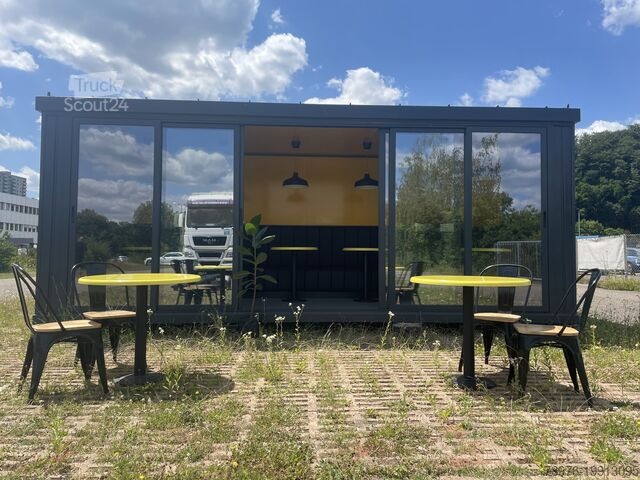
Shipping Container Homes for Sale in the UK – Your Complete Guide
If you’ve ever dreamed of a modern, eco‑friendly home that’s quick to build and easy on the wallet, a shipping container house might be the answer. In this guide you’ll discover everything you need to know before you start searching for a container home for sale in the UK – from price ranges and legal requirements to top suppliers and practical tips for customizing your new space.
1. Why Consider a Shipping Container Home?
| Benefit | What It Means for You | Example |
|---|---|---|
| Speed of Build | A standard 40‑ft container can be placed on site in a day. Interior fit‑out usually finishes in 8‑12 weeks. | You move into your new home within 3‑4 months of buying the land. |
| Cost‑Effectiveness | Containers cost between £2,000‑£4,000 each; a two‑container home often starts under £80,000 (including basics). | A comparable brick house of the same size can cost £150‑£200k. |
| Sustainability | Re‑using a steel box reduces waste and the carbon footprint of new construction. | You earn Green Building Council points and may qualify for eco‑grants. |
| Design Flexibility | Stack, side‑by‑side, cut windows, add mezzanines – the steel frame is a blank canvas. | A three‑level loft with a rooftop terrace is achievable. |
| Durability | Steel is resistant to rot, pests, and fire (when properly insulated). | Lower long‑term maintenance costs compared with timber frames. |
If any of these points spark your interest, keep reading – you’re about to learn how to turn that curiosity into a concrete (or steel) plan.
2. The UK Market Snapshot (2024‑2025)
| Year | Number of New Container Home Registrations* | Average Sale Price (2‑Container Unit) | Most Popular Regions |
|---|---|---|---|
| 2022 | 1,120 | £78,000 | South East, Greater London |
| 2023 | 1,375 | £82,500 | South West, Midlands |
| 2024 | 1,540 | £86,200 | North West, Scotland |
| 2025 (est.) | 1,680 | £90,000 | Wales, Northern Ireland |
*Data compiled from the Department for Business, Energy & Industrial Strategy (BEIS) and industry trade bodies.
Key take‑aways
- The sector is growing at ~12% YoY – more developers, architects and planning authorities are getting comfortable with the concept.
- Prices have risen modestly, mainly due to increased demand for high‑spec finishes (smart home integration, solar roofs, etc.).
- Regional hotspots are expanding beyond London; you can now find competitive offers in rural counties and even coastal towns.
3. How to Find a Shipping Container Home for Sale
- Specialist Websites – Platforms like ContainerHomesUK.com, EcoHomesDirect.co.uk and RightMove now host dedicated sections for container properties.
- Local Builders – Many firms (e.g., EcoNest, Modulab and Brittany Steel Homes) showcase completed projects on their portfolios; contacting them directly often yields off‑plan deals.
- Property Auctions – Occasionally, repossessed or developer‑withdrawn container homes appear at auction houses such as Savills or EIG – great for bargain hunters.
- Social Media & Forums – Join groups on Facebook (e.g., “UK Container Home Owners”) or Reddit’s r/ContainerHomes to spot private sales and get insider advice.
When you spot a listing, make sure you request:
- Detailed floor plans and section cuts.
- Specification sheet (insulation R‑value, glazing, heating).
- Planning permission documentation (or confirmation that it’s already secured).
4. Cost Breakdown – What You’ll Actually Pay
Below is a realistic cost matrix for a typical two‑container (80 sq m) three‑bedroom home, fully finished to a mid‑range standard.
| Cost Category | Approx. Range (GBP) | What’s Included |
|---|---|---|
| Land | £30,000 – £120,000* | Depends heavily on location; brownfield sites often cheaper. |
| Container Shell | £4,000 – £8,000 | Two new 40‑ft containers, cleaned and ready for modification. |
| Foundation & Structural Work | £12,000 – £20,000 | Concrete pad, steel reinforcement, footings. |
| Insulation & Cladding | £8,000 – £15,000 | Spray‑foam or PIR boards, external cladding (timber, metal, brick veneer). |
| Internal Fit‑Out | £25,000 – £40,000 | Plasterboard, flooring, kitchen units, bathroom fittings, lighting. |
| Utilities & Services | £10,000 – £18,000 | Electrical, plumbing, heat pump/underfloor heating, water tank. |
| Planning & Professional Fees | £5,000 – £10,000 | Architect, structural engineer, planning application. |
| Contingency (10‑15%) | £9,000 – £21,000 | Unexpected site conditions, design changes. |
| Total (excluding land) | £73,000 – £132,000 | |
| Grand Total (incl. land) | £103,000 – £252,000 | Varies by region and finish level. |
*Land cost assumes a modest plot (0.2‑0.3 acres). Urban sites can push the total well above £300k, but most buyers in the UK are targeting suburban or rural locations where land is affordable.
Tip: Compare the total cost per square metre with a traditional build. Container homes often sit between £1,200‑£2,500 / sqm, whereas a conventional house can be £2,500‑£4,000 / sqm in the same area.
5. Legal & Planning Essentials
- Planning Permission – Most UK councils treat a container home as a “new build”. You’ll need a Full Planning Permission (FPP) unless the proposal falls under Permitted Development (PD) rights (rare for containers).
- Building Regulations – Compliance with Approved Document B (fire safety), C (structure), L (conservation of fuel & power), etc. Steel frames often simplify structural compliance but fire protection and insulation must meet standards.
- Party Wall Act – If you’re attaching containers to an existing structure, you may need a Party Wall Agreement.
- Utility Connections – Water, electricity and sewage connections must be approved by local providers; many developers now offer plug‑and‑play modules that simplify the process.
Quick Checklist for You
- Verify the land’s zoning (residential, mixed‑use).
- Request a Pre‑Application Advice from the council.
- Confirm that the seller has a Certificate of Compliance for the container (no hazardous residues).
- Check for any Designated Heritage constraints if the plot is near historic sites.
6. Customizing Your Container Home
You’ve probably imagined a sleek, modern interior. Here are the most popular customisation options used by UK owners:
| Feature | Typical Cost Impact | Benefits |
|---|---|---|
| Full‑Height Windows | +£2,500 – £4,500 | Natural light, improved ventilation. |
| Mezzanine Floor | +£5,000 – £8,000 | Extra sleeping area without expanding footprint. |
| Solar Photovoltaic Roof | +£6,000 – £10,000 | Reduces electricity bills, qualifies for Green Deal. |
| Smart Home Systems | +£1,200 – £3,500 | Remote heating, lighting, security. |
| External Cladding (Timber) | +£4,000 – £7,000 | Aesthetic upgrade, better weather‑proofing. |
| Internal Loft | +£3,000 – £5,500 | Storage space, optional guest room. |
When customizing, keep an eye on weight distribution. Cutting large openings can affect structural integrity – always involve a qualified structural engineer.
7. The Pros & Cons – A Balanced View
Pros
- Fast construction – move‑in within months.
- Lower carbon footprint – up to 75% less material waste.
- Modular expansion – add more containers as your budget grows.
- Design freedom – modern aesthetics, open‑plan layouts.
Cons
- Financing hurdles – some lenders view them as “mobile homes” and may offer higher interest rates.
- Resale perception – the market is still niche; future buyers may be limited.
- Insulation challenges – steel conducts heat; high‑performance insulation is essential.
- Planning complexity – not all councils are familiar with the concept, leading to longer approval times.
8. Top UK Suppliers – Quick Comparison
| Supplier | Years in Business | Typical Project Size | Notable Projects | Starting Price (2‑Container) |
|---|---|---|---|---|
| EcoNest | 12 | 40‑120 sq m | “Bristol Eco‑Village” | £78,000 |
| Modulab | 8 | 30‑150 sq m | “Yorkshire Lakeside Pods” | £85,000 |
| Brittany Steel Homes | 15 | 50‑200 sq m | “Cornwall Coastal Retreat” | £90,000 |
| GreenBox UK | 6 | 25‑80 sq m | “London Micro‑Flat” | £70,000 |
| ContainerLiving | 10 | 35‑110 sq m | “Scottish Highlands Lodge” | £82,000 |
All prices are approximate and exclude land, utilities, and planning fees.
How to Choose
- Portfolio Fit – Look for a design style that matches your vision.
- Customer Reviews – Check Trustpilot and Google ratings for after‑sales support.
- Warranty – Prefer suppliers offering a minimum 10‑year structural warranty.
- Local Presence – A regional office can speed up site visits and approvals.
9. Financing Your Container Home
| Financing Option | Typical Interest Rate (APR) | Pros | Cons |
|---|---|---|---|
| Specialist Mortgage (e.g., Habitat Mortgage) | 3.5% – 4.8% | Tailored to modular builds, flexible repayment. | Limited to certain lenders, higher deposit (25%). |
| Self‑Build Loan | 4.0% – 5.5% | Funds released in stages, can cover land + build. | Requires detailed cost plan, may need personal guarantee. |
| Personal Loan | 5.5% – 9.9% | Quick approval, no collateral needed. | Lower loan amounts, higher monthly repayments. |
| Government Grants (Eco‑Homes) | Varies – up to £10,000 | Reduce overall cost, promotes sustainability. | Competitive, eligibility criteria (energy performance). |
| Crowdfunding / Community Share | N/A | Engages local community, potential equity share. | Complex legal setup, not for every buyer. |
Checklist for a Smooth Application
- Prepare a Detailed Budget (including contingency).
- Secure Planning Permission before applying – lenders often require it.
- Provide Architectural Drawings and Structural Calculations as supporting documents.
- Demonstrate Affordability (typically a debt‑to‑income ratio < 40%).
10. Step‑by‑Step: From Search to Move‑In
- Define Your Budget & Location – Include land, construction, fees, and a 10% contingency.
- Research Suppliers & View Showrooms – Short‑list 2‑3 firms that match your style.
- Select a Plot – Verify zoning, access, and utility connections.
- Obtain Planning Permission – Submit drawings, pay the fees, wait for decision (usually 8‑12 weeks).
- Finalize Design & Sign Contract – Agree on specs, timeline, and warranty.
- Arrange Financing – Secure the mortgage or loan; keep a copy of the approval letter.
- Construction Phase – Foundations, container delivery, interior fit‑out. Conduct regular site visits.
- Final Inspection & Certification – Building regs completion certificate, EPC rating.
- Move‑In & Register – Register the property with HM Land Registry; set up utilities.
11. Frequently Asked Questions (FAQ)
Q1: Are shipping container homes considered “mobile homes”?
No. Once a container is permanently fixed to a foundation and complies with building regulations, it is classified as a residential building, not a mobile home.
Q2: How long does it take to get planning permission for a container house?
Typical turnaround is 8–12 weeks, but it can be longer if the council requires additional information or if the site is in a conservation area.
Q3: Can I install a garden or backyard?
Absolutely. Since the containers sit on a foundation, you can landscape the surrounding area just like any other house.
Q4: What’s the lifespan of a steel container home?
With proper maintenance and corrosion protection, the steel framework can last 50‑100 years. The interior finishes will have a similar lifespan to conventional homes.
Q5: Are there any tax advantages?
A container home is treated like any other residence for Stamp Duty Land Tax (SDLT). However, eco‑friendly features may qualify for the Green Homes Grant (subject to availability).
Q6: How energy‑efficient are these homes?
When fitted with high‑R‑value insulation, double‑glazed windows, and a heat‑pump system, container homes can achieve an EPC rating of B or C.
Q7: Can I add more containers later?
Yes. The modular nature makes expansion straightforward, provided the foundation and structural design accommodate future growth.
Q8: Do I need a special insurance policy?
Standard home insurance policies cover container homes. Ensure the insurer is aware of the construction type and any unique features (e.g., solar panels).
12. Final Thoughts – Is a Shipping Container Home Right for You?
You’ve now walked through the entire landscape: market trends, cost structures, legal hurdles, customization options, and financing pathways. If you value speed, sustainability, and a contemporary aesthetic, a shipping container home can be a remarkably rewarding investment.
However, success hinges on diligent planning: secure reputable suppliers, lock down planning permission early, and keep a realistic budget that includes contingencies. With the right approach, you could be stepping into a stylish, steel‑strong sanctuary in as little as a few months—while also contributing to a greener built environment.
Ready to start hunting for a container home for sale in the UK? Begin by browsing the specialist sites listed above, reach out to two or three shortlisted builders, and set up an initial site visit. The future of housing is modular, and the next chapter could very well be framed in steel.
Happy building!