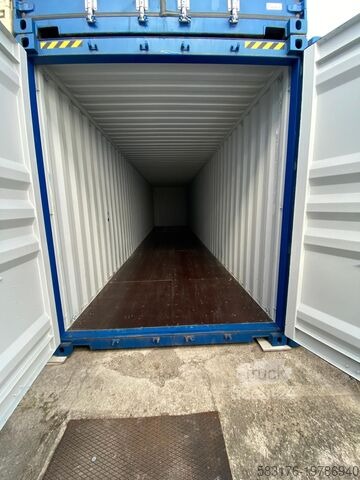
How to Buy a 40‑Foot Shipping Container: A Complete Guide for First‑Time Buyers
When you hear the phrase “40‑foot shipping container,” you probably picture a massive steel box stacked on a dock, waiting to be loaded with cargo. But today those containers are far more versatile than ever: they can become a mobile office, a pop‑up shop, a tiny home, or simply extra storage for a business or personal project. If you’re ready to add one to your asset list, this guide walks you through every step—from understanding the specs to negotiating the price, arranging delivery, and keeping your container in top shape.
1. Why a 40‑Foot Container?
| Feature | 20‑Foot Container | 40‑Foot Container |
|---|---|---|
| Internal Length | 19′ 4″ (5.90 m) | 39′ 5″ (12.03 m) |
| Internal Volume | 1,172 ft³ (33.2 m³) | 2,390 ft³ (67.7 m³) |
| Typical Load Capacity | 22,000 lb (10 t) | 44,000 lb (20 t) |
| Footprint (ground space) | 8′ × 8′ = 64 ft² | 8′ × 8′ = 64 ft² |
| Cost (average, new) | $3,000‑$4,500 | $5,500‑$7,500 |
| Best Uses | Small storage, personal projects | Large inventory, workshops, modular structures |
A 40‑foot container gives you double the internal volume of a 20‑foot unit while occupying the same ground footprint. This makes it the go‑to choice when you need a lot of space but have limited lot size—perfect for a warehouse overflow, a construction site office, or a DIY conversion project.
2. Types of 40‑Foot Containers
| Type | Description | Typical Use Cases | Price Range (USD) |
|---|---|---|---|
| Standard Dry Container (DC) | Plain steel walls, weather‑tight, no ventilation | General cargo, storage, workshops | $5,500‑$7,500 (new) |
| High‑Cube Dry Container (HC) | Same as DC but 9′6″ high (≈2 ft taller) | More vertical space for tall equipment | $6,000‑$8,200 |
| Refrigerated (Reefer) | Insulated walls, built‑in cooling unit | Perishables, pharmaceuticals | $12,000‑$18,000 |
| Open‑Top | Removable top frame, tarpaulin cover | Over‑size cargo, machinery | $7,000‑$9,500 |
| Flat‑Rack | Collapsible sidewalls, steel framework | Heavy, irregular loads (e.g., steel beams) | $9,000‑$12,000 |
| Specialty (e.g., ventilated, double‑door) | Custom fittings, extra doors/vents | Specific industry needs | $8,000‑$12,000 |
Pro tip: If you only need storage and plan to keep the container stationary, a standard dry container is the most cost‑effective. Choose a high‑cube only when you truly need the extra height.
3. Where to Buy – Your Options
| Source | Advantages | Disadvantages | Typical Lead Time |
|---|---|---|---|
| Manufacturer (direct) | Brand‑new, warranty, custom specs | Higher price, minimum order may apply | 2‑4 weeks |
| Authorized Dealer | Competitive pricing, financing options | May have limited inventory | 1‑2 weeks |
| Online Marketplace (e.g., eBay, Alibaba) | Wide selection, often used units | Variable condition, shipping costs | 1‑3 weeks |
| Local Container Yard (CY) | Immediate inspection, cheap transport | May need refurbishing, limited warranty | Same day‑few days |
| Auction (government, liquidation) | Potential bargains | Uncertain condition, paperwork | Variable |
What to look for:
- Condition rating (new, like‑new, good, fair, poor).
- ISO certification – ensures the container meets International Organization for Standardization standards (ISO 668 for size, ISO 1496 for design).
- Documentation – CSC (Container Safety Convention) plate, COC (Certificate of Compliance), and any maintenance logs.
4. Step‑by‑Step Buying Process
- Define Your Requirements
- Purpose: storage, office, conversion?
- Location: will it sit on a concrete pad, on a trailer, or be stacked?
- Features: high‑cube, ventilation, doors, side openings.
- Set a Realistic Budget
- Container cost (see tables).
- Delivery fees (often $200‑$500 for a short haul, more for long distances).
- Site preparation (foundation, permits).
- Research Sellers
- Check reviews, ask for photos and condition reports.
- Request a pre‑purchase inspection if buying used.
- Request Quotes & Compare
- Use a simple comparison table (example below).
| Seller | Container Type | Price | Delivery | Warranty | Remarks |
|---|---|---|---|---|---|
| Alpha Containers | 40‑ft HC | $6,200 | $350 (50 mi) | 12 mo | New, CSC plate |
| Bay City Yard | 40‑ft DC (used) | $4,800 | $150 (20 mi) | None | Good condition, minor dents |
| Global Trade Co. | 40‑ft DC (new) | $5,900 | $400 (70 mi) | 6 mo | Includes 2‑yr rust‑proof coating |
- Negotiate
- Ask for discounts on bulk orders, free delivery, or a pre‑paint package.
- Finalize Purchase
- Sign a Sales Agreement that outlines payment terms, delivery date, and any after‑sale support.
- Arrange Delivery & Inspect on Arrival
- Verify the CSC plate matches the documentation.
- Check for dents, rust, and proper door operation.
- Secure & Prepare
- Level the container on a gravel pad or concrete slab.
- Install lockable hinges, ventilation, or interior framing as needed.
5. Key Considerations Before You Click “Buy”
5.1. Condition & Inspection Checklist
| Item | What to Look For |
|---|---|
| Exterior Panels | No major dents, rust > 25 % of surface. |
| Doors & Gaskets | Smooth operation, no tears in rubber seals. |
| Floor | Solid timber or plywood, no rot, no cracks. |
| Roof | No leaks, secure bolts, intact corrugation. |
| CSC Plate | Clear, legible, matches seller’s paperwork. |
| Ventilation | Adequate for your intended use (e.g., vent holes for a workshop). |
5.2. Legal & Zoning Issues
- Permits – Some municipalities require a building permit for a container used as a permanent structure.
- Setback Requirements – Check how far from property lines a container can be placed.
- Utility Hook‑ups – If you plan to add electricity or plumbing, ensure the site can accommodate them.
5.3. Cost‑Saving Hacks
- Buy Used, but Certified – A “good” used container can be 30‑40 % cheaper than a new one while still meeting ISO standards.
- Opt for a Standard Height – High‑cubes cost a bit more; only choose them if you truly need the extra 2 ft of headroom.
- Combine Orders – If you need multiple containers, many sellers will offer a bulk discount of 5‑10 %.
6. Maintaining Your 40‑Foot Container
| Maintenance Task | Frequency | Recommended Action |
|---|---|---|
| Exterior Wash | Quarterly | Use a pressure washer with mild detergent; dry to prevent rust. |
| Inspect Gaskets | Every 6 months | Replace any cracked or hardened rubber seals. |
| Floor Check | Annually | Look for water damage; treat with a sealant if needed. |
| Paint/Coating | Every 5‑7 years | Apply a marine‑grade epoxy paint to protect against corrosion. |
| Structural Inspection | Every 2 years | Hire a certified inspector to verify weld integrity, especially after heavy use. |
7. Frequently Asked Questions (FAQ)
Q1: How much does a 40‑foot shipping container cost?
A: Prices vary by condition and type. A brand‑new standard dry container typically ranges from $5,500‑$7,500. Used units in good condition can be found for $3,000‑$5,000.
Q2: Can I place a container on a wooden deck?
A: It’s not recommended. A 40‑foot container weighs ≈8,000 lb when empty and up to 44,000 lb when loaded. A reinforced concrete slab or compacted gravel pad is safest.
Q3: Do I need a license to operate a container on a trailer?
A: If you’re moving the container yourself, a commercial driver’s license (CDL) may be required depending on the combined weight of the trailer and container. Check your state’s regulations.
Q4: How long does delivery typically take?
A: For domestic shipments, expect 1‑4 weeks from order confirmation, depending on distance and the seller’s inventory.
Q5: Is it legal to convert a container into a home?
A: Yes, but you’ll need to meet local building codes, obtain permits, and ensure proper insulation, ventilation, and utilities. Many cities have specific guidelines for “container homes.”
Q6: What is a CSC plate?
A: The Container Safety Convention (CSC) plate is a metal tag attached to the container that displays its identification number, maximum gross weight, and safety certification. It must be present on all legal containers.
Q7: Can I stack two 40‑foot containers?
A: Only if the containers are rated for stacking (look for the “twist‑lock” fittings) and the ground can support the combined load. Stacking is common in port yards but requires engineered support for permanent installations.
8. Quick‑Start Checklist – Ready to Order?
- Define the container’s purpose (storage, office, conversion).
- Choose type (Standard DC, High‑Cube, etc.).
- Set a budget covering container, delivery, and site prep.
- Research at least three sellers; request condition photos & inspection reports.
- Compare quotes using a table (see example in Section 4).
- Verify CSC plate and ISO compliance.
- Confirm local zoning permits and required setbacks.
- Arrange delivery and site preparation (level pad, foundation).
- Perform a final inspection upon arrival.
- Register the container with your local authority (if required).
9. Bottom Line: Making the Right Purchase
Buying a 40‑foot shipping container is a strategic investment that can solve storage challenges, provide a ready‑made workspace, or become the foundation for a creative building project. By understanding the different types, evaluating condition, and planning for delivery and maintenance, you’ll avoid costly surprises and enjoy a durable, versatile asset for years to come.
Whether you’re a small business owner needing extra inventory space, a DIY enthusiast dreaming of a container‑style tiny house, or simply looking for a rugged storage solution, the steps outlined above give you a clear roadmap. Grab a notebook, run through the checklist, and soon you’ll be watching that massive steel box roll onto your property—ready to be filled with whatever you imagine.
Happy container hunting!