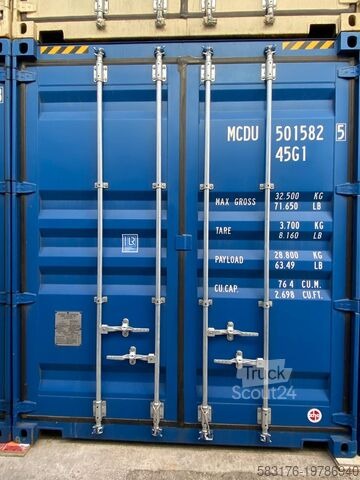
Buying a Shipping Container in the UK: The Complete Guide for 2025
Whether you’re a DIY‑enthusiast looking for a sturdy workshop, a small‑business owner needing extra storage, or an investor eyeing modular housing, buying a container in the UK has become a mainstream solution. The market is booming, the options are diverse, and the paperwork is surprisingly straightforward—once you know what to look for.
In this guide you’ll discover:
- The different types of containers you can purchase.
- How to compare sizes, grades, and prices using a handy table.
- A step‑by‑step checklist for a smooth purchase.
- The legal and logistical considerations you must address before the container arrives at your driveway.
- A FAQ that tackles the most common concerns.
All of this is written in a second‑person voice, so you can picture yourself walking through each stage of the process, from browsing online listings to unlocking the door on your brand‑new steel box.
1. Why Buy a Container in the UK?
| Benefit | How It Helps You | Typical Use Cases |
|---|---|---|
| Durability | 1‑inch corten steel resists rust, even in damp British weather. | Workshops, garages, tool storage |
| Mobility | Containers are built for transport; you can relocate them with a crane or fork‑lift. | Pop‑up retail, temporary offices |
| Security | Lockable, weather‑tight doors plus optional CCTV integration. | Document storage, valuable equipment |
| Cost‑Effectiveness | New 20‑ft containers start around £2,500; used units can be half that price. | Budget‑friendly expansion, hobbyists |
| Modular Design | Stackable and easily combined for larger spaces. | Modular homes, student accommodation |
| Fast Delivery | Many UK suppliers can deliver within 7‑10 business days. | Rapid project start‑ups |
If any of these points resonate with you, you’re already on the right track. The next step is to decide what kind of container matches your project.
2. Types of Containers You Can Buy
| Container Type | Standard Dimensions (L×W×H) | Typical Load Rating | Ideal Applications |
|---|---|---|---|
| Standard Dry Container (ISO 1A) | 20‑ft (6.06 m × 2.44 m × 2.59 m) | 28 t (max gross) | General storage, workshops |
| High‑Cube Dry Container | 40‑ft (12.19 m × 2.44 m × 2.90 m) | 30 t | Larger inventories, vehicle storage |
| Reefer (Refrigerated) Container | 20‑ft or 40‑ft, insulated | 23‑t | Food, pharmaceuticals |
| Open‑Top Container | 20‑ft (6.06 m × 2.44 m × 2.59 m, open at the top) | 28 t | Heavy machinery, timber |
| Flat‑Rack Container | 20‑ft or 40‑ft, collapsible sides | 30 t | Oversized cargo, construction equipment |
| Special‑Purpose (e.g., office, pop‑up shop) | Custom sizes, often 20‑ft base with interior fit‑out | Varies | Retail, cafes, classrooms |
Tip: For most DIY or storage projects a standard 20‑ft dry container is the sweet spot—affordable, easy to move, and plenty of floor space (≈ 12 m²).
3. How to Choose the Right Size and Grade
| Size | Approx. Internal Volume | Typical Price (New) | When to Choose It |
|---|---|---|---|
| 20‑ft (Dry) | 33 m³ | £2,300 – £2,800 | Small workshops, garden sheds, starter storage |
| 40‑ft (Dry) | 67 m³ | £4,200 – £4,900 | Larger inventories, vehicle bays |
| 20‑ft (High‑Cube) | 36 m³ | £2,800 – £3,300 | Need extra headroom for tall equipment |
| 40‑ft (High‑Cube) | 76 m³ | £4,600 – £5,300 | Bulk storage, modular housing units |
Grade Matters
Containers are graded by condition:
- Grade A – New/Like‑New – No dents, rust‑free, fresh paint. Best for high‑visibility projects (e.g., pop‑up shop).
- Grade B – Near‑New – Minor dents, slight surface rust, still structurally sound. Good balance of cost and condition.
- Grade C – Used/Refurbished – Visible wear, may need interior lining. Ideal for pure storage or hobbyist use.
When you decide on a size, match it with a grade that fits your budget and aesthetic expectations.
4. Step‑by‑Step Checklist: Buying a Container in the UK
- Define Your Purpose
- Write down the exact use (e.g., “home office with insulation”).
- Note any special requirements (electric wiring, ventilation, doors).
- Select Size & Grade
- Use the table above to narrow down options.
- Remember that a 20‑ft container costs roughly half a 40‑ft unit.
- Find a Reputable Supplier
- Look for UK‑based companies with ISO certification and customer reviews.
- Request quotes from at least three sellers for comparison.
- Check Legal Restrictions
- Planning Permission: In many English councils, a container under 2.5 m high and not used for habitation does not require permission. Verify with your local authority.
- Road Transport: If you need a crane or large vehicle, confirm that the route is permitted and that you have a Heavy Goods Vehicle (HGV) licence if applicable.
- Arrange Site Preparation
- Level the ground (concrete slab, compacted hardcore, or heavy‑duty pallets).
- Ensure drainage away from the container to avoid water pooling.
- Finalize Financing & Insurance
- Many suppliers offer lease‑to‑own or finance options.
- Insure the container against theft, fire, and accidental damage—especially if you store valuable equipment.
- Schedule Delivery & Installation
- Confirm the delivery date, and whether the supplier provides on‑site placement (using a crane).
- Inspect the container at delivery: check for dents, rust, and the condition of the doors and locks.
- Fit‑Out (Optional)
- Add insulation, electrical wiring, lighting, and interior shelving.
- Many UK companies provide turnkey conversion packages (e.g., “container office fit‑out”).
- Register the Container (optional but recommended)
- Get a unique container number from the British Transport Police to help deter theft.
- Maintain Regularly
- Clean the exterior to prevent rust buildup.
- Lubricate door hinges and check seals annually.
Following this checklist reduces surprises and ensures you get the best value for your money.
5. Legal & Logistical Considerations
Planning Permission
- England: Generally exempt if under 2.5 m high, used for storage or commercial purposes, and not occupied as a dwelling.
- Scotland & Wales: Similar exemptions, but each council may have nuanced rules—check the local planning portal.
Road & Transport
- Weight Limits: The UK’s standard HGV weight limit on most roads is 44 t gross. A loaded 20‑ft container at its maximum (≈ 28 t) is well within this range.
- Permits: Oversize loads (e.g., a 40‑ft high‑cube on a trailer) may need a Special Transport Permit. Your supplier usually handles this if you ask.
Taxes & Duties
- VAT: New containers are subject to standard UK VAT (20 %). Used containers may be zero‑rated if the seller can prove they are second‑hand.
- Import Duty: If you import from the EU post‑Brexit, duty depends on the country of origin and trade agreements. Most EU manufacturers now have UK‑based warehouses, avoiding extra duty.
6. Cost Breakdown – What Are You Really Paying For?
| Cost Component | Approximate Share of Total | Example (£) for 20‑ft Grade B |
|---|---|---|
| Container Base Price | 55 % | £1,540 |
| Delivery & Handling | 20 % | £560 |
| Site Preparation | 10 % | £280 |
| Insurance (first year) | 5 % | £140 |
| Optional Fit‑Out | 10 % | £280 |
| Total | 100 % | £2,800 |
Numbers are illustrative and will vary by region and supplier.
7. Frequently Asked Questions (FAQ)
Q1: Do I need a licence to drive a container on my own?
A: No. The container itself is not driven; it’s loaded onto a trailer. The driver must have a Category C (or C+E) licence if the trailer’s maximum authorised mass exceeds 3 t.
Q2: Can I park a container on a residential driveway?
A: Usually yes, as long as it does not obstruct public footpaths or cause a nuisance. Check your local council’s parking restrictions and any HOA or lease terms if you live in a managed estate.
Q3: How long does a container last?
A: A well‑maintained steel container can last 30‑40 years before major corrosion becomes an issue. Regular cleaning and repainting extend its life.
Q4: Are there any hidden costs when buying a used container?
A: Potential hidden costs include repair work (e.g., fixing rust‑pits), transport over difficult terrain, and site preparation. Always request a condition report and a photographic inspection before finalising the purchase.
Q5: Can I modify a container without voiding a warranty?
A: Most new‑container warranties cover structural integrity only. Internal modifications (insulation, shelving) typically do not affect the warranty, but adding external structures (e.g., a roof extension) may.
Q6: What is the best way to secure a container against theft?
A: Combine high‑security padlocks, reinforced door bolts, an alarm system, and, where possible, CCTV. Registering the container’s chassis number with the British Transport Police further deters thieves.
Q7: Is it possible to combine two containers into a larger space?
A: Absolutely. You can stack containers (one on top of another) or join them side‑by‑side using welded or bolted connections. Many modular housing projects use this method.
8. Real‑World Example: Turning a 20‑ft Container into a Home Office
Scenario: You need a quiet workspace separate from your house, with electricity, heating, and internet.
| Step | Action | Estimated Cost |
|---|---|---|
| 1. Purchase | 20‑ft Grade B dry container | £1,800 |
| 2. Delivery | Supplier’s local delivery (5 mi) | £150 |
| 3. Site Prep | Concrete slab (2 × 6 m) | £600 |
| 4. Insulation | Polyurethane spray, interior cladding | £400 |
| 5. Electrical | Wiring, sockets, LED lighting | £250 |
| 6. Heating | Portable oil heater + thermostat | £120 |
| 7. Internet | External Wi‑Fi antenna (mounted) | £80 |
| Total | £3,400 |
The final result is a climate‑controlled, secure office that you can move or expand in the future.
9. Final Thoughts – Make Your Container Work for You
Buying a container in the UK is far more than snapping up a metal box; it’s about unlocking a versatile platform that can grow with your needs. By understanding the different types, using the tables and checklists provided, and staying on top of legal and logistical steps, you’ll avoid the common pitfalls that trip up first‑time buyers.
Remember: The perfect container is the one that fits your project, budget, and timeline—not the other way around. Take advantage of the competitive market, ask the right questions, and soon you’ll have a steel‑strong solution that enhances your property, business, or creativity.
Happy buying—and enjoy the endless possibilities that a simple container can bring to your life!