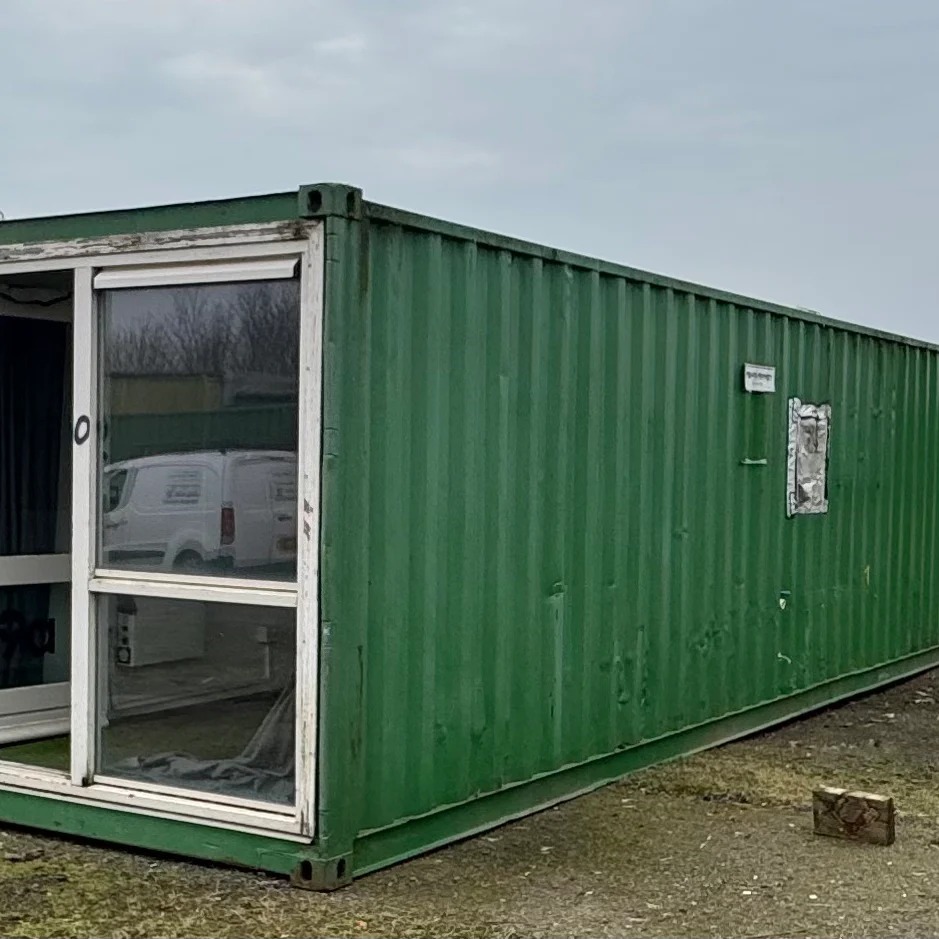
How to Choose the Perfect Storage Container — A Friendly Guide for Your Next Purchase
When you need extra space, a storage container can be a lifesaver. Whether you’re decluttering the garage, staging a home for sale, or starting a small‑business inventory, the right container makes the job painless, secure, and surprisingly affordable.
In this post you’ll learn exactly what to look for, how to size it right, where to buy, and what questions to ask before signing on the dotted line. We’ll walk through the process step‑by‑step, peppered with handy lists, a quick‑reference table, and a FAQ to clear up any lingering doubts.
1. Why a Storage Container Might Be Your Best Bet
| Benefit | What It Means for You |
|---|---|
| All‑weather protection | Steel walls and sealed doors keep rain, snow, and UV rays out. |
| Mobility | Most containers can be lifted onto a trailer or moved with a forklift. |
| Security | Lockable doors and hardened steel deter theft and vandalism. |
| Scalability | Add another unit later if you outgrow the first one—no need to remodel. |
| Cost‑effective | One‑time purchase is often cheaper than renting a self‑storage unit long‑term. |
If any of those perks line up with your needs, you’re already on the right track.
2. Types of Storage Containers
Not all containers are created equal. Below is a quick snapshot of the most common options you’ll encounter.
| Container Type | Typical Size (ft) | Wall Thickness | Ideal Use Cases | Approx. Price Range* |
|---|---|---|---|---|
| Standard Dry Container | 20‑ft, 40‑ft | 1.6 mm (C‑type) – 2 mm (D‑type) | Home storage, moving, small‑biz inventory | $2,200 – $5,500 |
| High‑Cube Dry Container | 40‑ft (9.5‑ft tall) | 2 mm | Storing tall items, equipment, bulk goods | $3,000 – $6,500 |
| Refrigerated (Reefer) Container | 20‑ft, 40‑ft | 2 mm + insulated panels | Food, pharmaceuticals, temperature‑sensitive goods | $6,000 – $13,000 |
| Open‑Top Container | 20‑ft, 40‑ft | 1.6 mm – 2 mm | Heavy machinery, raw materials (easy loading) | $2,500 – $5,800 |
| Flat‑Rack Container | 20‑ft, 40‑ft | 1.6 mm – 2 mm | Oversized items, building supplies | $2,800 – $6,200 |
* Prices vary by region, supplier, and condition (new vs. used).
3. How to Pick the Right Size
A container that’s too small will force you to keep buying more, while an oversized unit may sit half‑empty and waste money. Follow these three steps to hit the sweet spot:
- Make an inventory list – Write down every item you plan to store, noting dimensions (L × W × H).
- Calculate total volume – Multiply each item’s dimensions, add a 10 % buffer for boxes, pallets, and air‑space.
- Match to container capacity –
- 20‑ft container ≈ 1,170 cu ft (33 m³)
- 40‑ft container ≈ 2,390 cu ft (68 m³)
- High‑cube 40‑ft ≈ 2,700 cu ft (76 m³)
If your total volume is under 1,000 cu ft, a 20‑ft unit will likely do the trick; anything over 1,800 cu ft calls for a 40‑ft or high‑cube model.
Quick‑Sizing Checklist
- ✅ List every box or piece of furniture.
- ✅ Convert all measurements to the same unit (feet or meters).
- ✅ Add 10 % extra space for maneuverability.
- ✅ Compare your total to the table above.
4. Key Factors to Evaluate Before You Buy
4.1 Condition – New vs. Used
- New: Pristine, with full warranty; higher upfront cost.
- Used: Lower price but watch for dents, rust, and compromised door seals.
4.2 Door Type and Locking System
- Standard swing doors are easiest to access.
- Roll‑up doors save interior space but may need a hydraulic opener.
- Look for ISO‑rated locks (ISO 9001/4) for robust security.
4.3 Ventilation & Moisture Control
- If you store items prone to mold, choose a container with vented panels or add desiccant packs.
4.4 Flooring Options
- Bare steel floor works for dry goods.
- Wooden or composite decking is better for heavy equipment that needs a non‑slip surface.
4.5 Delivery & Placement Logistics
- Confirm the supplier can bring the unit to your exact site and whether a crane or forklift is required.
- Check local zoning or HOA rules—some neighborhoods restrict container placement.
5. Where to Purchase
| Source | Pros | Cons | Typical Lead Time |
|---|---|---|---|
| Manufacturer (e.g., Maersk, MSC) | Brand‑new, warranty, customization | Higher price, might require bulk order | 2‑4 weeks |
| Specialty storage‑container dealers | Wide selection (new & used), expert advice | Variable warranty, sometimes higher markup | 1‑2 weeks |
| Online marketplaces (e.g., eBay, Craigslist) | Cheapest options, immediate local pickup | No warranty, risk of hidden damage | Instant (if local) |
| Local rental companies (transition to purchase) | Flexible lease‑to‑own programs | Limited inventory, may be pricier | Same‑day to 1 week |
Tip: Ask for a “condition report” (photos, rust grading, door seal test) before signing any purchase agreement, especially when buying used.
6. Step‑by‑Step Buying Process
- Define your purpose & size (see Sections 2‑3).
- Gather quotes from at least three reputable suppliers.
- Inspect the container either in person or via a detailed video. Look for:
- Rust spots larger than a golf ball
- Bent corners or warped doors
- Functional locks and seals
- Negotiate: Many dealers will throw in a free floor mat or a discounted delivery if you ask.
- Finalize the contract: Read the fine print for warranty duration, return policy, and any hidden fees (e.g., “site‑prep” charges).
- Schedule delivery: Confirm the exact drop‑off point, ensure the ground is level, and have a clear path for the container truck.
- Set up security: Install a padlock, consider a cable‑lock system, and add a motion‑sensor alarm if the container sits in a high‑traffic area.
7. Maintaining Your Container
- Monthly inspection: Check for water pooling, rust growth, and door latch wear.
- Seasonal cleaning: Sweep the floor, wipe down walls, and spray a light rust inhibitor on the exterior.
- Ventilation: Keep the vents open (or use a small solar‑powered fan) to avoid condensation buildup.
A well‑maintained container can serve you for 15‑20 years or more.
8. Frequently Asked Questions
| Question | Answer |
|---|---|
| Do I need a permit to place a container on my property? | It depends on local zoning laws. Many municipalities require a temporary use permit if the container stays longer than 30 days. Check with your city planning office. |
| Can I paint the exterior? | Absolutely! Use industrial‑grade, rust‑inhibiting paint and apply a primer first. This adds protection and lets you match the container to your property’s aesthetic. |
| What’s the difference between a C‑type and D‑type container? | C‑type has 1.6 mm wall thickness, D‑type is 2 mm and offers extra strength—ideal for heavy loads or harsh climates. |
| Is it safe to store electronics inside a metal container? | Yes, as long as you use anti‑static bags and keep the interior dry. Consider a grounding strap to avoid static discharge. |
| How do I secure a container against theft? | Use a high‑security lock (e.g., padlock with a 10‑mm shackle), reinforce the door hinges, and add a cable‑reinforced chain that anchors to a concrete slab. |
| Can I stack containers? | Only if they are engineered for stacking and placed on a level, reinforced foundation. Stacking without proper support can cause structural failure. |
| What’s the best way to transport a container myself? | Rent a container trailer (often called a “low‑boy”) and use a heavy‑duty pickup or truck with a suitable payload rating. Make sure the trailer has dual‑axle brakes for safety. |
| Do containers come with a warranty? | New containers usually have a 12‑ to 24‑month warranty covering rust-through and structural defects. Used units may have limited or no warranty—always verify. |
9. Final Thoughts: Your Storage Success Starts Here
Choosing a storage container doesn’t have to feel like an engineering exam. By clarifying what you’ll store, how much space you need, and what features matter most, you’ll quickly narrow the field to a few solid options. Use the tables and checklists above as quick reference tools, ask the right questions during the inspection, and you’ll walk away with a sturdy, secure container that protects your belongings for years to come.
Now that you’ve got the roadmap, go ahead and start gathering quotes. In a few short weeks you could have the perfect container parked in your driveway, ready to bring order to the chaos. Happy storing!