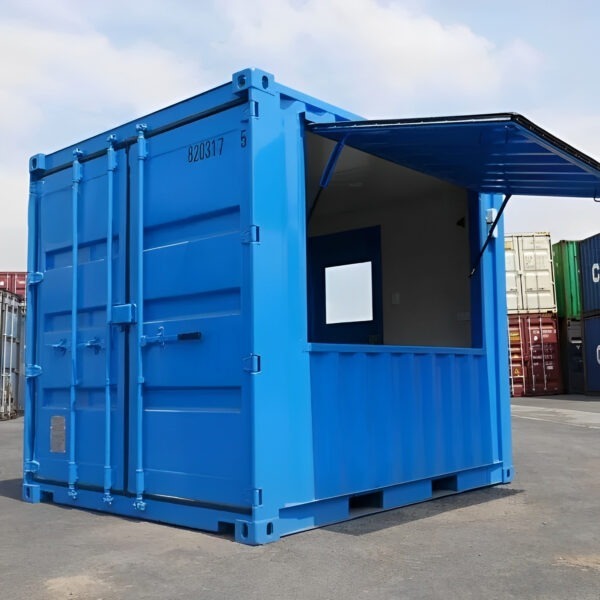
Transforming Shipping Boxes into Dream Spaces: Your Guide to Converted Storage Containers
You’ve probably driven past those massive steel boxes stacked at ports or dotted along the side of a highway and thought, “What if I could turn one of those into a cozy office, a sleek studio, or even a tiny home?” The answer is a resounding yes—and it’s easier, more affordable, and greener than you might imagine. In this long‑form guide we’ll walk you through everything you need to know about converted storage containers, from design inspiration and budgeting to practical how‑tos and the most common questions that pop up along the way. Grab a coffee, settle into your favorite chair, and let’s get building.
1. Why Choose a Container Conversion?
| Benefit | What It Means for You | Example |
|---|---|---|
| Speed | A container can be transformed in weeks, not months. | A 40‑ft container office erected in 5 weeks, ready for employees. |
| Cost‑Effectiveness | Steel shells are cheap compared to traditional construction. | $2,500 per 20‑ft container vs. $15,000 for a comparable prefab. |
| Mobility | Move the entire structure if you need to relocate. | A pop‑up café that packs up and follows a seasonal market. |
| Durability | Corrosion‑treated steel resists weather, pests, fire. | A remote research station that stays functional year‑round. |
| Sustainability | Up‑cycling reduces waste and carbon footprint. | Repurposing a decommissioned container saves ~30 % of embodied energy. |
If any of those points light a spark, you’re already on the right track. Converting a container isn’t just a DIY fad; it’s a proven, versatile solution that fits urban infill, rural retreats, and everything in between.
2. Picking the Right Container
Before you order a steel box, ask yourself a few crucial questions:
- What size do you need?
- 20‑ft (≈ 1,200 sq in) – perfect for tiny homes, studios, or a compact workshop.
- 40‑ft (≈ 2,400 sq in) – ideal for larger offices, multi‑room homes, or a small restaurant.
- High‑cube versions add an extra foot of height (9.5 ft vs. 8.5 ft interior).
- Is the container new, used, or a “one‑trip”?
- New: Pristine condition, higher price, full warranty.
- One‑trip: Never shipped, minimal wear, a sweet spot price‑wise.
- Used/Refurbished: Cheapest, but you may need more prep work (rust removal, structural checks).
- Do you need a dry‑type (for cargo) or a reefer (refrigerated) shell?
- Dry‑type is standard and easier to insulate.
- Reefer containers already have built‑in insulation—great for climate‑controlled spaces but costlier.
Quick Comparison Table
| Category | New Dry‑type (20‑ft) | One‑Trip Dry (20‑ft) | Used Dry (20‑ft) |
|---|---|---|---|
| Price (USD) | $3,500 – $4,500 | $2,300 – $3,000 | $1,800 – $2,500 |
| Condition | Spot‑free, OEM paint | Light scratches, no dents | Possible dents, rust spots |
| Warranty | 2 years | 1 year (optional) | None |
| Best For | High‑end homes, offices | Mid‑range projects | Budget‑focused builds |
Use this table as a quick reference when you start contacting suppliers. Remember, prices fluctuate with steel market trends, so always ask for a current quote.
3. Designing Your Space – From Blueprint to Reality
3.1 Layout Basics
- Open‑Plan: Keep the interior free of walls to maximize the 8‑ft width (or 9‑ft high‑cube). Great for studios, coworking pods, or open‑air cafés.
- Compartmentalized: Add interior partitions (drywall, metal studs) for distinct rooms—bedroom, bathroom, kitchen.
- Multi‑Level: Install a mezzanine deck to double usable floor area (ideal for loft‑style living).
3.2 Essential Systems
| System | Why It Matters | Typical Cost Range* |
|---|---|---|
| Insulation (spray foam, rigid board) | Keeps interior comfortable, prevents condensation. | $1,200 – $2,500 |
| Electrical (wiring, breaker panel) | Powers lights, appliances, HVAC. | $800 – $1,500 |
| Plumbing (water lines, waste) | Enables kitchen & bathroom. | $1,000 – $2,200 |
| HVAC (mini‑split, ductless) | Controls temperature year‑round. | $1,500 – $3,000 |
| Finishes (drywall, flooring) | Gives the space a polished look. | $1,000 – $3,000 |
*All figures are approximate for a 20‑ft container; size and region will affect final numbers.
3.3 Design Inspiration Checklist
- Industrial chic – Exposed steel ribs, concrete flooring, metal pendant lights.
- Scandinavian minimalism – Light wood paneling, white walls, natural light.
- Eco‑friendly cabin – Reclaimed timber, green roof, solar panels.
- Urban loft – Large windows, open loft area, urban art murals.
Pick a style that resonates with you, then sketch a rough floor plan (you can use free tools like SketchUp or Floorplanner). The more detailed your plan, the smoother the construction phase will be.
4. Step‑by‑Step Build Overview
Below is a condensed roadmap you can follow, whether you’re hiring a contractor or tackling the project yourself.
| Phase | Key Tasks | Time Estimate |
|---|---|---|
| 1️⃣ Planning & Permits | Research local zoning, apply for building permits, finalize design. | 2–4 weeks |
| 2️⃣ Site Prep | Level ground, lay a foundation (concrete slab, piers, or deck). | 1–2 weeks |
| 3️⃣ Container Delivery | Coordinate drop‑off, crane the unit onto the foundation. | 1 day |
| 4️⃣ Structural Modifications | Cut openings for doors/windows, reinforce frames as needed. | 1–2 weeks |
| 5️⃣ Systems Installation | Insulation, wiring, plumbing, HVAC. | 2–3 weeks |
| 6️⃣ Interior Finishing | Drywall, flooring, paint, fixtures. | 2–3 weeks |
| 7️⃣ Exterior Touch‑Ups | Cladding, roofing, paint, landscaping. | 1–2 weeks |
| 8️⃣ Inspection & Move‑In | Final code inspection, obtain certificate of occupancy. | 1 week |
Total: ~10–14 weeks from first sketch to move‑in day. Of course, your timeline may shift based on weather, availability of trades, or how much you DIY.
5. Budget‑Friendly Hacks
- DIY Cutting & Welding – If you have basic metalworking skills, you can save $500‑$1,000 on structural modifications.
- Use Reclaimed Materials – Salvaged wood pallets, reclaimed doors, and second‑hand fixtures can slash finish costs by up to 30 %.
- Solar Power – Install a modest 3 kW panel system; after the initial outlay, you’ll lower utility bills dramatically.
- Off‑Grid Toilets – Composting toilets eliminate the need for a sewer connection, perfect for remote sites.
- Multi‑Purpose Furniture – A fold‑out sofa/bed or built‑in storage reduces the need for extra furniture purchases.
6. Real‑World Success Stories
- The “Box Café” in Portland – A 40‑ft high‑cube container turned into a pop‑up coffee shop that roams between festivals. Owner reports a 40 % lower overhead than a brick‑and‑mortar café.
- Tiny Home 4U (Colorado) – A couple built a 320‑sq‑ft family home using two stacked 20‑ft containers, complete with a mezzanine bedroom and solar array. They saved $30,000 compared to a conventional build.
- Urban Co‑Working Hub (Sydney) – A refurbished container serves as a flexible work‑space, featuring modular walls that can be reconfigured for events.
These examples illustrate the flexibility of container conversions—whether you’re after a commercial venture or a personal sanctuary.
7. Frequently Asked Questions (FAQ)
Q1: Do I need a building permit?
Yes. Most municipalities treat container conversions as standard structures, so you’ll need a permit for structural changes, electrical, plumbing, and occupancy. Check with your local planning department early to avoid surprises.
Q2: How long does a container last?
Steel containers are designed to withstand the rigors of sea transport, giving them a lifespan of 20–30 years or more when properly maintained. Adding a weather‑proof coating and performing routine rust checks can extend that even further.
Q3: Can I insulate a container myself?
Absolutely. Spray foam is the most popular DIY option because it seals gaps and adds structural strength. Rigid foam boards are also a good choice if you prefer a more hands‑on installation. Just ensure you seal all seams to prevent condensation.
Q4: What about windows and doors?
You can purchase pre‑fabricated “container doors” (steel framed, insulated) or retrofit standard doors and windows. Remember to reinforce the cutouts with steel brackets to maintain structural integrity.
Q5: Is a container safe in an earthquake?
When anchored correctly to a solid foundation and reinforced at the cutout points, containers perform well under seismic loads. Adding shear plates and bolting the frame to the foundation further enhances safety.
Q6: How much does a full conversion cost?
A rough ballpark:
- Basic office (20‑ft) – $12,000 – $20,000.
- Tiny home (40‑ft) – $30,000 – $55,000.
- High‑end commercial space (40‑ft) – $80,000+.
Your final number depends on interior finish level, systems complexity, and labor costs.
Q7: Can I relocate the finished container later?
Yes! The beauty of steel construction is its mobility. As long as you have a proper foundation (or a trailer‑compatible base), you can lift the unit with a crane and move it to a new site.
8. Final Thoughts – Your Next Move
By now you should feel inspired, informed, and ready to dive into the world of converted storage containers. Whether you’re dreaming of a compact office, a stylish tiny house, or a pop‑up shop that can travel across the country, the steel box offers a sturdy, sustainable canvas that’s surprisingly adaptable.
Take action today:
- Research local regulations – Call your city planning office.
- Define your budget – Use the cost tables above as a starting point.
- Sketch a layout – Even a rough hand‑drawn plan helps you visualize the space.
- Reach out to suppliers – Get quotes for new, one‑trip, or used containers.
- Start the conversation with a contractor or DIY community – Platforms like Reddit’s r/ContainerHomes or local maker spaces are gold mines of advice.
Remember, the journey from a plain metal box to a livable, love‑filled space is a blend of creativity, practical planning, and a dash of boldness. You have the tools, the knowledge, and the enthusiasm—now go convert that container into the space you’ve always imagined!