The Friendly Guide to Finding and Using Cornwall Containers
If you’ve ever needed a bit more space for a home renovation, a pop‑up shop, or a seasonal garden shed, you’ve probably heard the term “Cornwall containers” tossed around. Whether you’re a DIY enthusiast, a small‑business owner, or a farmer looking for a sturdy outbuilding, the right container can save you time, money, and a lot of hassle.
In this post we’ll walk you through everything you need to know – from the different types of containers on offer, to how you pick the perfect size, where to buy or hire them, and how to keep them safe and functional. We’ll also throw in handy tables, checklists, and a FAQ section so you can refer back whenever you need a quick refresher.
1. Why Choose a Container in Cornwall?
| Benefit | What It Means for You |
|---|---|
| Weather‑proof | Cornwall’s coastal climate can be wet and windy. Steel containers are sealed, rust‑treated, and designed to resist rain, salt spray, and UV exposure. |
| Instant space | You get a full, lockable room within days rather than weeks of construction. |
| Flexibility | Move it, stack it, or convert it – a container can become a workshop, office, cold store, or even a tiny home. |
| Cost‑effective | Compared with traditional bricks-and‑mortar builds, containers often cost 30‑50 % less. |
| Eco‑friendly | Up‑cycled shipping containers reduce waste and carbon footprint. |
Cornwall’s thriving creative and agricultural scenes have turned containers into a go‑to solution for pop‑up festivals, farm‑yard offices, and coastal cafés. The region’s network of specialist suppliers means you can get a container delivered to a rural farm lane or a bustling town centre with equal ease.
2. Types of Containers You’ll Find in Cornwall
| Container Type | Typical Dimensions (L × W × H) | Best For… |
|---|---|---|
| Standard 20‑ft Shipping Container | 6.06 m × 2.44 m × 2.59 m | Small workshops, tool storage, compact office. |
| Standard 40‑ft Shipping Container | 12.19 m × 2.44 m × 2.59 m | Larger retail spaces, bulk storage, vehicle garages. |
| High‑Cube 40‑ft Container | 12.19 m × 2.44 m × 2.90 m | Tall equipment, loft conversions, art studios. |
| Open‑Top Container | Same footprint as 20‑ft/40‑ft | Loading heavy machinery, agricultural feed, timber. |
| Cold‑Store (Reefer) Container | 20‑ft or 40‑ft, insulated | Perishable produce, craft beer fermentation, pharmaceutical storage. |
| Office/Showroom Pods | Custom sizes, often 3‑5 m wide | Pop‑up cafés, exhibition spaces, client meeting rooms. |
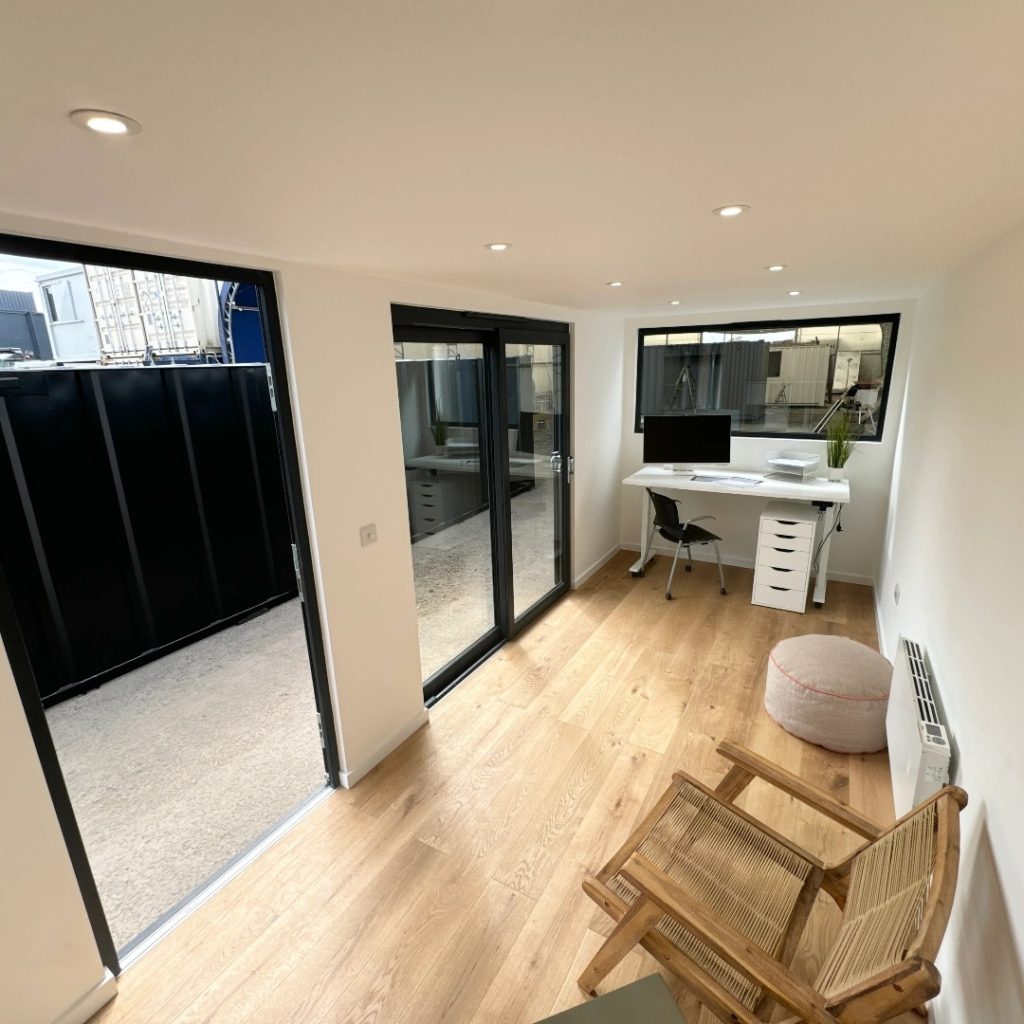
| Modified/Insulated Units | Varies, added internal walls/insulation | Year‑round hobby rooms, home gyms, small dwellings. |
When you first start looking, ask yourself: What will you store, and how much room do you need? If you’re only keeping garden tools, a 20‑ft unit will more than suffice. Need a place to showcase local crafts at a market? A high‑cube or custom office pod might be the better fit.
3. Choosing the Right Size – A Simple Checklist
- Measure Your Inventory – Write down the longest, widest, and highest items you’ll keep inside.
- Add a 20 % Buffer – Give yourself extra room for future growth.
- Think About Access – Will you need a side door, a roll‑up door, or a forklift opening?
- Consider Insulation – If you’ll be storing temperature‑sensitive items, opt for a refrigerated or insulated unit.
- Check Site Constraints – Some rural lanes have width or weight limits. Confirm with the supplier.
Quick Size Guide
| Your Need | Recommended Container |
|---|---|
| Garden tools, ladders, paint cans | 20‑ft standard |
| Small‑scale woodworking shop (saw, bench, storage) | 40‑ft standard |
| Mini‑café with seating and kitchen equipment | 40‑ft high‑cube (with interior fit‑out) |
| Seasonal produce (potatoes, berries) | 20‑ft refrigerated |
| Farm feed bins & bulk grain | Open‑top 40‑ft |
4. Where to Get Cornwall Containers
Below is a snapshot of reputable providers who specialise in delivering and installing containers across the county. Prices are indicative (subject to change) and include delivery within a 30‑mile radius of the depot.
| Supplier | Location | Key Services | Price (20‑ft, new) | Delivery Time |
|---|---|---|---|---|
| Cornwall Container Solutions | St Austell | Sales, hire, custom fit‑outs, relocation | £2,350 | 3‑5 days |
| West Coast Pods | Penzance | Pop‑up cafés, insulated offices, branding | £2,800 | 5‑7 days |
| South West Shipping Containers | Truro | Standard sales, open‑top, re‑conditioning | £2,150 | 4‑6 days |
| Eco‑Box Cornwall | Bodmin | Up‑cycled containers, solar‑panel kits | £2,400 | 6‑8 days |
| Harbor Hire Ltd. | Falmouth | Short‑term hire, event logistics, on‑site assembly | £150/week (20‑ft) | Same‑day (if stock) |
Tip: If you’re on a tight budget, consider a reconditioned container – it’s inspected, repaired, and painted, often at a 15‑20 % discount versus a brand‑new unit.
5. Getting Your Container On‑Site – What to Expect
- Site Survey – The supplier will send a technician to check ground level, access routes, and any planning permissions required.
- Ground Preparation – Most containers sit on a compacted hard‑standing or concrete slab. A simple 150 mm compacted sand base is often enough for a 20‑ft unit.
- Delivery & Placement – A crane or low‑loader brings the container to the exact spot. The team will level it and bolt it to the ground if required.
- Fit‑Out (Optional) – Internal shelving, lighting, power sockets, or interior partitions can be added on the day or scheduled later.
- Final Inspection – You’ll sign off once doors open, seals are tight, and any fittings are working.
6. Keeping Your Container Safe & Sustainable
| Task | Frequency | Why It Matters |
|---|---|---|
| Check door seals & locks | Monthly | Prevents rain ingress and theft. |
| Inspect for rust or dents | Quarterly | Early detection stops corrosion spreading. |
| Clean interior | Every 6 months | Removes dust, pest build‑up, and keeps the space pleasant. |
| Ventilation check | Annually | Ensures airflow, reduces condensation. |
| Solar panel cleaning (if installed) | Twice a year | Maintains power output for lighting/charge points. |
Eco‑friendly tip: Install a small rainwater harvesting tank on the roof of a high‑cube container. The water can be used for cleaning the interior or watering nearby plants.
7. Real‑World Inspiration – 3 Quick Success Stories
- The Penzance Pop‑Up Café – A local artist converted a 40‑ft high‑cube into a seaside coffee bar, complete with solar panels and a tiny kitchen. Business boomed during the summer festival, and the pod now serves as a year‑round community hub.
- St Ives Surf Shop Storage – An open‑top 40‑ft container sits behind the shop, storing surfboards, wetsuits, and repair tools. The open top allows quick loading of large boards straight from the beach.
- Falmouth Farm Office – A refurbished 20‑ft container now houses the farm manager’s office, a laptop station, and a small meeting area. Insulated walls keep it comfortable even during the chilly Atlantic winds.
8. Frequently Asked Questions (FAQ)
Q1: Do I need planning permission for a container in Cornwall?
A: For most garden‑yard or agricultural uses, a container is classed as a “temporary structure” and doesn’t require planning permission. However, if you intend to use it as a dwelling or a permanent retail space, you should consult your local council.
Q2: How much does it cost to have a container delivered to a rural location?
A: Delivery costs depend on distance and size. As a rule of thumb, expect £150‑£300 for a 20‑ft unit within a 30‑mile radius; beyond that, suppliers often charge per mile.
Q3: Can I customize the interior before delivery?
A: Yes! Most suppliers offer optional fit‑outs – shelves, workbenches, electrical wiring, and even HVAC. You can order a “turnkey” container that arrives ready for use.
Q4: What’s the lifespan of a steel container?
A: With proper maintenance, a container can last 20‑30 years or more. The key is regular rust checks, repainting, and ensuring the doors stay sealed.
Q5: How do I secure my container against theft?
A: Use high‑security lock cylinders (e.g., Euro‑style), reinforce the door hinges, and consider an alarm system or CCTV. Adding a perimeter fence provides an extra deterrent.
Q6: Are there financing or lease‑to‑own options?
A: Many Cornwall suppliers offer monthly hire‑purchase plans, especially for small businesses. Leasing is common for pop‑up events where a short‑term commitment is preferred.
Q7: Can I stack containers on top of each other?
A: Yes, standard shipping containers are designed for stacking up to three units high when on a proper foundation. If you plan to stack, let the supplier know so they can deliver a “stack‑ready” unit with reinforced corner fittings.
9. Quick Reference List – What to Keep Handy
- Contact Sheet: Supplier names, phone numbers, email, and delivery radius.
- Site Survey Checklist: Ground level, access gate width, overhead clearance, drainage.
- Fit‑Out Wishlist: Shelves, power sockets, lighting, ventilation, security.
- Maintenance Calendar: Dates for seal inspection, cleaning, rust check, ventilation test.
- Budget Tracker: Purchase price, delivery fee, optional fit‑out cost, ongoing maintenance.
Print or save these on your phone – they’ll keep you organized from the first quote to years of happy container use.
10. Take the First Step
Now that you’ve got the lowdown on Cornwall containers, it’s time to turn ideas into reality. Grab a notebook, jot down your space requirements, and reach out to one of the local suppliers listed above. Remember, a container isn’t just a metal box; it’s a flexible canvas for your next project, whether that’s a breezy café, a tidy workshop, or a secure storage hub for your garden treasures.
Happy container hunting, and may your new space bring you plenty of room to create, store, and thrive!