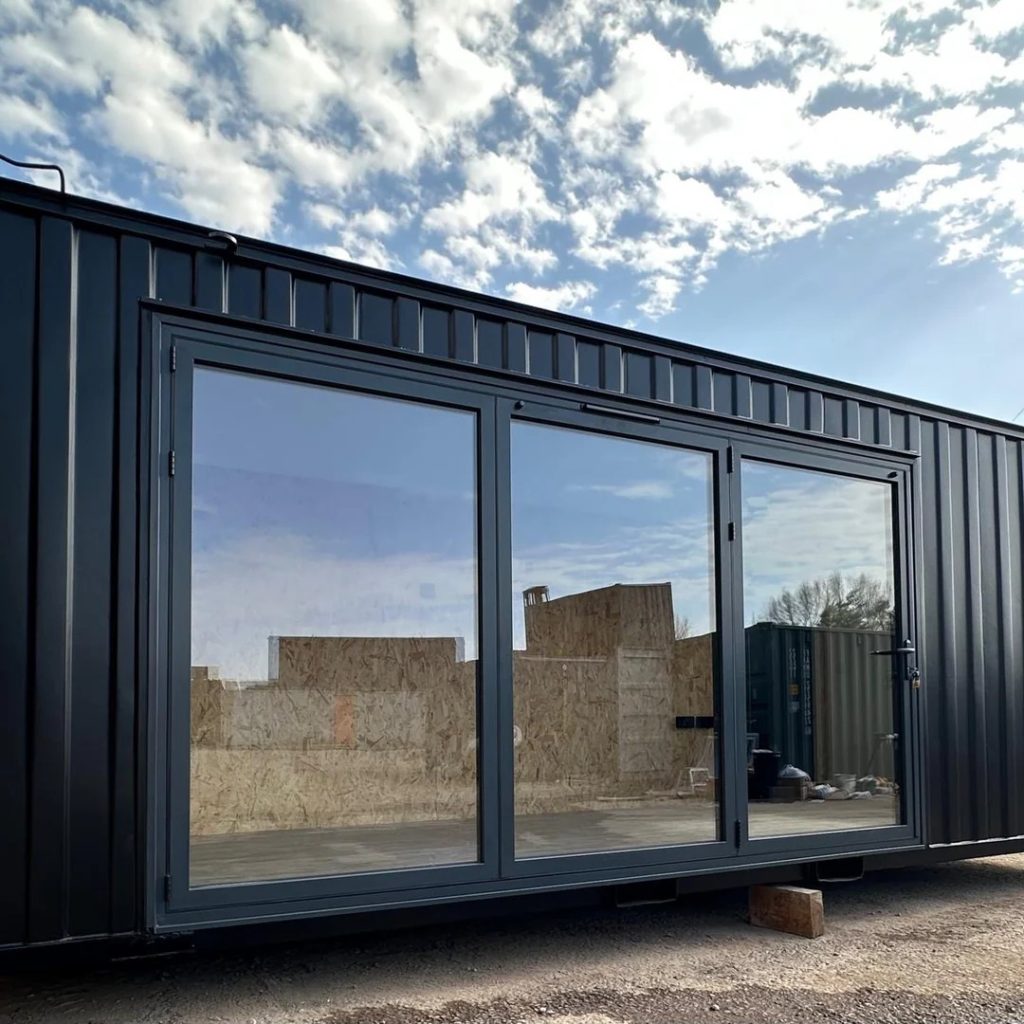
How Much Is a Storage Container? A Friendly Guide to Figuring Out the Cost
If you’re staring at a cluttered garage, a moving truck that never seems to finish loading, or a backyard that’s begging for a little extra space, chances are you’ve already asked yourself, “How much is a storage container?”
You’re not alone. Whether you’re a homeowner needing a temporary overflow spot, a small‑business owner looking for a secure place to keep inventory, or a DIY‑enthusiast who loves a good garage‑sale haul, the price of a storage container can feel like a moving target.
In this post we’ll walk you through everything you need to know—from the different types of containers and the sizes that matter, to the hidden fees that can pop up, and finally a handy FAQ to clear up any lingering doubts. By the end, you’ll be able to budget confidently and choose the container that fits both your space and your wallet.
1. The Basics: What Is a Storage Container?
A storage container is a large, metal (usually steel) box designed to protect goods from the elements, theft, and damage. They’re the same kind of containers you see stacked on cargo ships, but they’re also repurposed for personal and commercial use.
Key features that make them popular:
| Feature | Why It Matters to You |
|---|---|
| Durability | Steel walls resist weather, rust, and vandalism. |
| Portability | Most containers have ISO standards, meaning they can be lifted by a crane or forklift. |
| Security | Built‑in lock holes and reinforced doors keep your belongings safe. |
| Versatility | Use them for moving, on‑site storage, a backyard office, or even a tiny home conversion. |
2. Size Matters – Which One Is Right for You?
Containers come in a handful of standard dimensions. The two most common are the 20‑foot and 40‑foot units. Here’s a quick snapshot of what you can expect inside each size:
| Size | Interior Dimensions (L×W×H) | Approx. Volume | Typical Uses |
|---|---|---|---|
| 10‑ft | 9’ ft 11” × 7’ ft 10” × 7’ ft 9” | 560 cu ft | Small remodels, seasonal gear |
| 20‑ft | 19’ ft 4” × 7’ ft 8” × 7’ ft 10” | 1,170 cu ft | Household moves, small‑business inventory |
| 40‑ft | 39’ ft 6” × 7’ ft 8” × 7’ ft 10” | 2,380 cu ft | Large‑scale construction, fleet storage, conversion projects |
How to decide?
- Count your boxes. A standard 30‑in‑wide cardboard box is about 0.5 cu ft. If you have 500 boxes, you’ll need roughly 250 cu ft of space, meaning a 20‑ft container will do the job.
- Consider the shape of your items. Furniture, pallets, and oddly‑shaped equipment may waste space, so err on the larger side if you’re unsure.
- Think ahead. If you anticipate future storage needs (e.g., a growing business inventory), a 40‑ft unit can be a smart long‑term investment.
3. Purchase vs. Rental: Which Is Cheaper?
Most people start by renting a container for a short‑term project, but if you anticipate using it for years, buying might save you money. Below is a quick cost comparison (prices vary by region, so treat this as a ballpark).
| Option | Typical Monthly Cost | Up‑Front Cost | Pros | Cons |
|---|---|---|---|---|
| Rental – Short Term (≤3 months) | $100–$150 (20‑ft) | None | No maintenance, easy pick‑up/drop‑off | Ongoing fees add up if you keep it longer |
| Rental – Long Term (≥12 months) | $70–$120 (20‑ft) | None | Predictable monthly expense | You never own the container |
| Purchase – New 20‑ft | N/A | $2,500–$3,500 | Full ownership, can resell later | Large up‑front outlay, you’re responsible for upkeep |
| Purchase – Used 20‑ft | N/A | $1,300–$2,200 | Lower entry price, still own it | May need repairs, limited warranty |
Quick tip: If you’re renting for more than six months, ask the provider about a “lease‑to‑own” option. Some companies will apply a portion of each monthly payment toward the purchase price, effectively turning a rental into an investment.
4. What Influences the Price?
Understanding the factors that drive the cost helps you negotiate and avoid surprises.
- Location – Shipping a container across state lines adds transport fees. Urban areas with higher demand (e.g., Los Angeles) also see higher rates.
- Condition – New containers cost more but come with a warranty. Used containers are cheaper but may need rust treatment or door repairs.
- Customization – Adding shelving, insulation, a lock, or a climate‑control unit ups the price.
- Delivery & Pick‑Up – Most providers charge a flat fee (often $150–$300) for local delivery. Remote sites may incur mileage charges.
- Duration – Rental rates often drop after a certain period (e.g., 30‑day discount).
- Seasonality – Demand spikes in summer (moving season) and during hurricane‑prone months, leading to higher rates.
5. Sample Budget: Breaking Down a 20‑Foot Container Rental
Let’s walk through a realistic scenario: you need a 20‑ft container for a four‑month home renovation in Austin, TX.
| Cost Item | Amount | Notes |
|---|---|---|
| Base rental (4 months @ $130/mo) | $520 | Includes standard lock |
| Local delivery (within 30 mi) | $180 | One‑time fee |
| Pick‑up & disposal | $150 | After you empty the unit |
| Optional lock upgrade | $45 | Heavy‑duty padlock |
| Total Estimated Cost | $895 | Rounded up for contingency |
If you decide to purchase a used container instead, the total could be around $1,800 (purchase price $1,300 + $200 delivery + $300 for a lock and minor repairs).
6. 10 Handy Tips for Getting the Best Deal
- Measure twice, rent once. Know the exact cubic footage you’ll need.
- Shop locally. Small, regional providers often have lower delivery fees than national chains.
- Ask about bulk discounts. If you need more than one container, you can usually negotiate a lower per‑unit rate.
- Check for hidden fees. Some companies add “administrative” or “environmental” surcharges—ask for a full breakdown before you sign.
- Inspect before you accept. Look for dents, rust, or broken doors; note any flaws in writing.
- Consider a used container with a warranty. Many dealers sell “certified‑pre‑owned” units that come with a short‑term guarantee.
- Plan your delivery date. Scheduling during off‑peak hours can shave a few hundred dollars off the delivery fee.
- Keep it clean. If you return the container in good condition, you’ll avoid cleaning charges.
- Negotiate the lock price. A simple hasp is cheap; a high‑security lock can be added for a modest fee.
- Think long term. If you foresee future storage needs, calculate the break‑even point between renting and buying.
7. Frequently Asked Questions
Q1: Do I need a permit to place a storage container on my property?
Most residential zones allow a container on a driveway or yard without a permit, but check with your local municipality. Some HOAs have specific rules about aesthetics or placement.
Q2: How weather‑proof are storage containers?
Standard steel containers are rated for rain, wind, and moderate snow. For extreme climates, consider adding a weather‑seal kit or an insulated container.
Q3: Can I stack two containers?
Yes, but only if the container is engineered for stacking (usually indicated on the door with a “Stackable” label) and you have a crane or forklift to handle the weight.
Q4: What if I need the container for longer than a year?
Most rental agreements allow extensions, but the monthly rate may increase after the first 12 months. Ask about long‑term discounts or lease‑to‑own options.
Q5: Are there any tax deductions for buying a storage container for my business?
In many jurisdictions, a container used exclusively for business purposes can be depreciated as an asset. Consult a tax professional for specific guidance.
Q6: How do I secure the container against theft?
Invest in a high‑security lock, install a padlock hasp, and consider a small surveillance camera. Some providers also offer optional alarm systems.
Q7: What’s the typical lifespan of a steel storage container?
With proper maintenance (regular cleaning, rust treatment, and keeping doors sealed), a container can last 20–30 years.
Q8: Can I customize the interior (add shelves, lighting, etc.)?
Absolutely! Many owners install modular shelving, interior lighting, or even a small workbench. Just ensure any modifications don’t compromise the structural integrity.
8. Wrapping It Up: Your Next Steps
Now that you’ve got a clear picture of how much a storage container costs—including the variables that can push the price up or down—you’re ready to take action.
- Make a list of your storage needs. Write down the items you’ll be storing, the estimated volume, and how long you’ll need the space.
- Get at least three quotes. Use the checklist above to compare base rates, delivery fees, and any optional extras.
- Inspect the container before signing. Take photos of the condition and ask for a written statement of any existing damage.
- Plan your delivery and placement. Verify that the chosen spot on your property is level, accessible, and complies with local regulations.
- Enjoy the extra space! Whether you’re moving, renovating, or simply decluttering, a well‑chosen container can make the whole process smoother—and more affordable—than you imagined.
Got more questions? Drop a comment below or reach out to a local storage‑container provider. Happy storing!