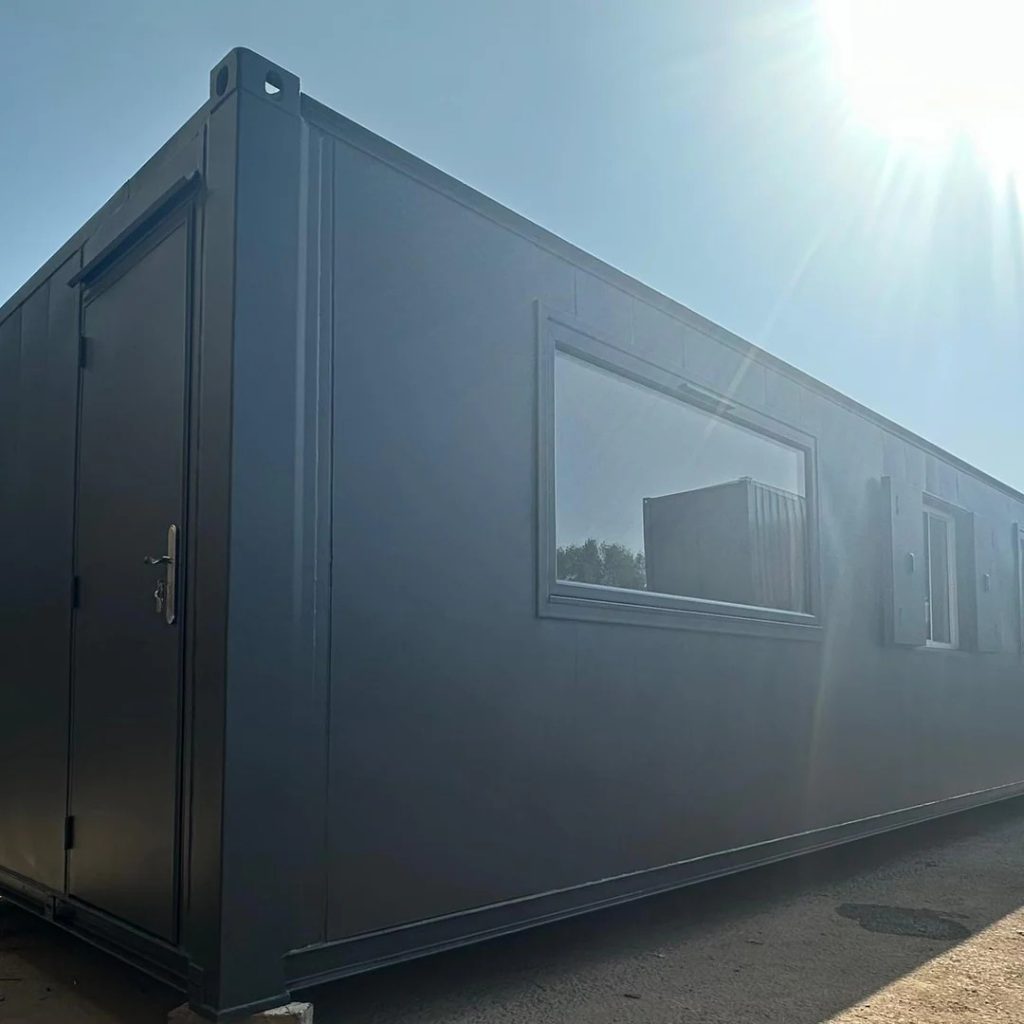
One‑Trip Shipping Containers: The Friendly Guide You’ve Been Waiting For
If you’ve ever tried to ship a large‑scale order, moved a small‑business inventory, or just needed a reliable way to get a bulky item from point A to point B, you’ve probably heard the term “one‑trip shipping container.” In plain English, it’s a container that makes a single, dedicated journey—no back‑and‑forth, no endless looping, just a straight‑line haul that gets your cargo where it belongs, then disappears (or gets recycled) at the destination.
In this post, you’ll learn everything you need to know to decide whether a one‑trip container is right for you, how to pick the perfect one, and what steps to follow from start to finish. We’ll also give you handy tables, quick‑look lists, and a FAQ section to keep the learning curve smooth and friendly.
🎯 Why Consider a One‑Trip Container?
| Benefit | What It Means for You |
|---|---|
| Speed | The container is loaded once, shipped once, and unloaded once—no waiting for a round‑trip schedule. |
| Cost Predictability | You pay a flat rate for a single use, avoiding the hidden fees that come with long‑term leasing or ownership. |
| Simplified Logistics | One‑trip means one set of paperwork, one insurance policy, and one tracking ID. |
| Environmental Edge | Many providers recycle the container after delivery, turning steel back into steel rather than leaving it idle. |
| Flexibility | Choose the exact size, material, and accessories you need for that specific cargo. |
If any of those points light a spark, you’re already on the right track.
📦 The Basics: Container Types & Sizes
Before you place an order, you’ll need to decide on the physical specs. Below is a quick‑look table that breaks down the most common options.
| Size | External Dimensions (L × W × H) | Internal Volume | Typical Load Capacity | Best For |
|---|---|---|---|---|
| 20‑ft Standard | 20’ × 8’ × 8’6” | ~33 m³ | 22 000 lb (≈ 10 t) | Medium pallets, machinery parts |
| 40‑ft Standard | 40’ × 8’ × 8’6” | ~67 m³ | 44 000 lb (≈ 20 t) | Large inventories, furniture sets |
| 40‑ft High Cube | 40’ × 8’ × 9’6” | ~76 m³ | 44 000 lb | Bulky items, extra headroom |
| 45‑ft High Cube | 45’ × 8’ × 9’6” | ~85 m³ | 48 000 lb | Oversized cargo, mixed loads |
Pro tip: If you’re not sure how much space you need, use a simple “pallet calculator” (many logistics websites offer one for free). Just plug in the number of pallets, their dimensions, and you’ll get a rough container size recommendation.
🛠️ Choosing the Right Material
| Material | Weight | Durability | Typical Use Cases |
|---|---|---|---|
| Corten Steel | Heavy (≈ 2,400 kg for 20‑ft) | Extremely robust, corrosion‑resistant | Heavy machinery, outdoor shipments |
| Aluminum | Light (≈ 1,200 kg for 20‑ft) | Good corrosion resistance, easier to handle | High‑value electronics, quick turn‑around |
| Reinforced Plastic (rare) | Very light | Moderate durability, excellent for food‑grade | Perishables, sterile environments |
If you’re moving a high‑value, time‑sensitive load, a lighter aluminum container can shave hours off loading and unloading. For rugged, long‑haul shipments that might encounter harsh weather, steel remains the workhorse.
🗺️ Your One‑Trip Journey: Step‑by‑Step Checklist
- Define Your Cargo
Measure, weigh, and list any special handling requirements (e.g., temperature control). - Select Size & Material
Use the tables above to narrow down the best fit. - Get a Quote
Ask at least three providers for a full breakdown (container, transport, insurance, recycling fee). - Book the Container
Confirm the pickup date, loading window, and delivery address. - Prepare Documentation
Commercial invoice, packing list, Bill of Lading (B/L), and any customs paperwork. - Load the Container
Follow best‑practice loading patterns: heavy items at the bottom, weight evenly distributed, and secure with straps or braces. - Seal & Tag
Apply a tamper‑proof seal and attach the tracking tag supplied by your carrier. - Track the Shipment
Most providers offer real‑time GPS updates—keep an eye on ETA. - Receive & Unload
Inspect for damage, sign off the B/L, and arrange for container pick‑up or recycling. - Close the Loop
Submit a post‑shipment review to your provider—this may unlock discounts on future one‑trip orders.
💰 Cost Breakdown (Typical U.S. Rates)
| Cost Component | 20‑ft Standard | 40‑ft Standard |
|---|---|---|
| Container Rental (single use) | $1,200 – $1,600 | $1,800 – $2,300 |
| Inland Transport (door‑to‑port) | $400 – $600 | $700 – $950 |
| Ocean Freight (Port‑to‑Port) | $800 – $1,200 | $1,300 – $1,800 |
| Insurance (0.5 % of cargo value) | Variable | Variable |
| Recycling/Disposal Fee (post‑delivery) | $120 – $180 | $180 – $260 |
| Total Approx. | $2,520 – $3,580 | $4,280 – $5,410 |
Note: Prices fluctuate with fuel rates, seasonal demand, and global supply chain disruptions. Always ask for a “total landed cost” quote to avoid surprises.
📚 Real‑World Example: Sarah’s Boutique Expansion
Sarah runs a boutique clothing brand on the West Coast and needed to ship a fresh inventory of 500 + garments to a new pop‑up store in Austin, Texas. She selected a 20‑ft high‑cube aluminum container because the clothing needed to stay wrinkle‑free and she wanted a lightweight option for quick loading.
- Quote Received: $2,200 total (including a short‑haul truck from her warehouse to the Port of Los Angeles, ocean freight, and a final truck to Austin).
- Timeline: 2 days loading, 7 days ocean transit, 1 day final delivery.
- Outcome: The inventory arrived intact, the container was recycled locally, and Sarah reported a 15 % cost saving compared with her previous method of using a reusable container that required a 30‑day round‑trip lease.
Sarah’s story highlights how a one‑trip container can be a win‑win for speed, cost, and sustainability.
✅ Quick‑Pick List: Is a One‑Trip Container Right for You?
- ✅ Your shipment is single‑use or seasonal.
- ✅ You need fast‑track delivery (no waiting for a return container).
- ✅ You prefer transparent, flat‑fee pricing.
- ✅ You’re okay with the container being recycled after delivery.
- ✅ Your cargo fits within standard container dimensions (or you can order a custom size).
If you checked most of these boxes, go ahead and start gathering quotes!
Frequently Asked Questions (FAQ)
| Question | Answer |
|---|---|
| What’s the difference between a one‑trip and a traditional lease container? | A lease container stays in your possession (or the carrier’s) for an extended period, often requiring you to arrange its return. A one‑trip container is a single‑use container that is shipped to the destination and then disposed of or recycled. |
| Can I customize the interior (e.g., add shelves or dividers)? | Yes! Many providers offer optional interior fittings for an additional fee. Be sure to specify this when you request a quote. |
| Is insurance mandatory? | Not legally required, but highly recommended. Even a modest policy (0.5 % of cargo value) protects you against loss, damage, or theft. |
| What happens to the container after delivery? | Most reputable providers arrange for the container to be recycled (steel is melted down and reused). Some offer a “pick‑up and refurbish” service for a small extra charge. |
| Are there any restrictions on cargo type? | Hazardous materials (flammables, chemicals, explosives) often require special containers and permits. For standard goods, a regular steel or aluminum container works fine. |
| How far in advance should I book a one‑trip container? | Ideally 2–4 weeks before the desired pick‑up date. During peak seasons (e.g., holidays), booking 6 weeks ahead can secure availability and better rates. |
| Can I track my container in real time? | Most carriers provide GPS tracking through a web portal or mobile app. Ask your provider about real‑time visibility options. |
| What if the container is damaged during transit? | Document the damage with photos, file a claim with the carrier (usually within 48 hours), and keep all paperwork for insurance purposes. |
| Do I need a customs broker for international one‑trip shipments? | For most cross‑border deliveries, a customs broker streamlines the paperwork and reduces clearance delays. Many logistics firms bundle broker services into their quotes. |
| Is there an eco‑friendly alternative to steel? | Some companies offer foldable aluminum containers that are lighter and require less fuel. While not universally available, they are a greener option where offered. |
📅 Your Next Move
Now that you’ve got the full picture—benefits, options, costs, and a clear step‑by‑step plan—you’re ready to take the leap. Pick a reputable container provider, get a few quotes, and use the tables and checklists above to compare. Remember, a one‑trip shipping container isn’t just a box; it’s a strategic tool that can streamline your supply chain, cut costs, and even boost your sustainability credentials.
Happy shipping, and may your next one‑trip adventure be smooth, swift, and stress‑free! 🚚📦✨