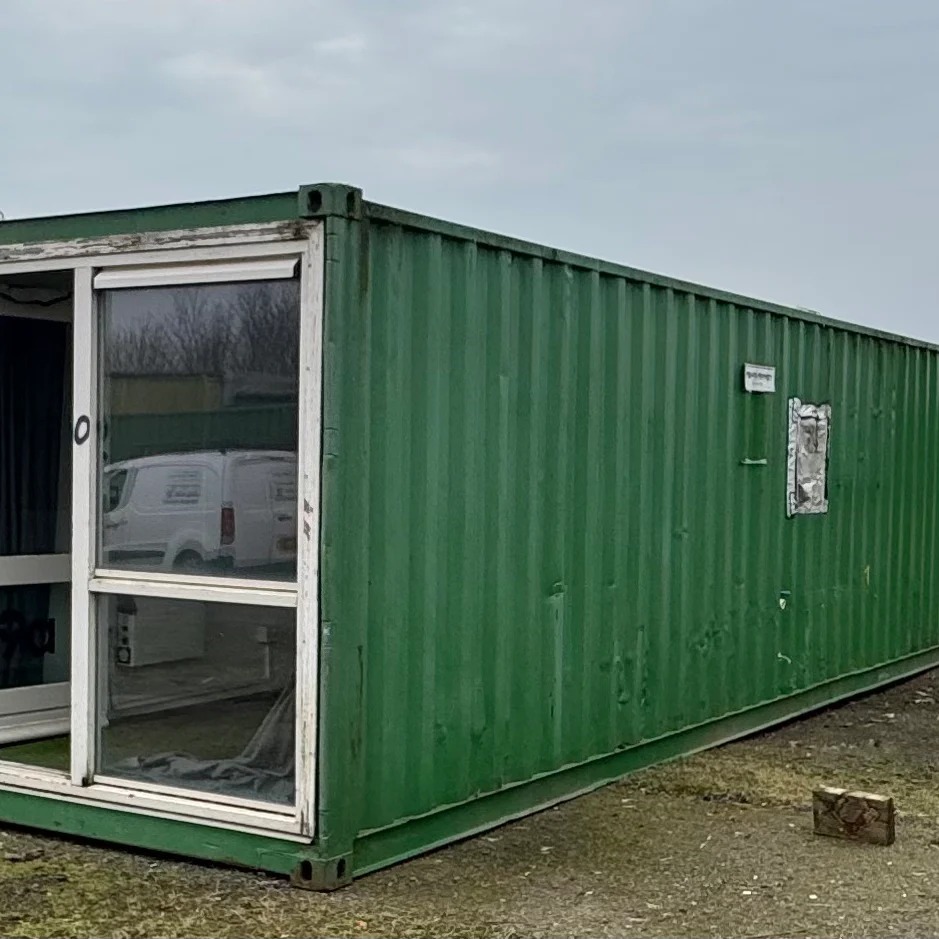
Portable Self‑Storage Containers: The Friendly Guide You’ve Been Waiting For
If you’ve ever struggled to find space for seasonal gear, a home‑renovation mess, or even a small business inventory, you know the feeling: the closet is overflowing, the garage is a maze of boxes, and the local storage facility feels like a pricey, inconvenient maze of metal doors.
Enter portable self‑storage containers – a simple, flexible solution that brings the storage unit right to your doorstep. In this guide, we’ll walk you through everything you need to know: what they are, how they work, which size is right for you, cost considerations, and a handy FAQ to answer those lingering questions. By the end, you’ll be ready to pick the perfect portable container for your needs and start decluttering with confidence.
1. What Exactly Is a Portable Self‑Storage Container?
A portable self‑storage container (often called a “storage pod,” “mobile storage unit,” or “portable storage container”) is a sturdy, weather‑proof, steel‑frame box that can be delivered to your home, office, or job site. You load it yourself (or hire a moving crew), and then you have three primary options:
| Option | What Happens | Ideal For |
|---|---|---|
| On‑site storage | The container stays on your property (driveway, backyard, or a designated spot). | Homeowners who need extra space during a remodel or for seasonal items. |
| Off‑site storage | After you load it, the provider picks it up and stores it at a secure, climate‑controlled facility. | Those who want a “mini‑storage” experience without driving to a location. |
| Transport & delivery | The container is moved to a new address (e.g., when you’re relocating). | Individuals or businesses needing a moving solution that doubles as storage. |
Because the container is portable, you’re not locked into a fixed location. It’s essentially a “storage unit on wheels,” except the wheels are hidden under a durable chassis that can be lifted by a truck or forklift.
2. Why Choose a Portable Container Over Traditional Storage?
2.1 Convenience
- Door‑to‑door service – No need to drive, load a truck, and then unload again at a storage facility.
- 24/7 access – When the container sits on your property, you can pull the lock and reach your items any time.
2.2 Flexibility
| Traditional Storage | Portable Container |
|---|---|
| Fixed location (often 1–2 mi away) | Can stay on your driveway or be moved to a new address |
| Limited access hours (usually 8 am–5 pm) | Access whenever you need it |
| Rental contracts often require a minimum term | Many providers let you rent by the month, week, or even a few days |
| Size constraints dictated by facility layout | Choose from a range of sizes, from 5 ft to 20 ft containers |
2.3 Cost‑Effectiveness
While prices vary by region and provider, portable containers can save you money in three ways:
- Reduced transportation fees – No rental truck, fuel, or additional moving labor.
- Lower monthly rates – Some providers offer discounts for longer rentals or for bundling delivery & storage.
- Avoiding “late‑night” moves – Because you load at home, you can work on your schedule, eliminating overtime charges from moving companies.
3. Picking the Right Size – A Quick‑Reference Table
Before you order, think about what you’ll store. Below is a quick guide to the most common container dimensions and what they’re best suited for.
| Container Size | Interior Dimensions (L × W × H) | Approx. Cubic Feet | Typical Use Cases |
|---|---|---|---|
| 5 ft (Mini‑Pod) | 5 × 5 × 4 ft | 100 cf | Small apartments, seasonal décor, a few boxes of documents |
| 7 ft (Compact) | 7 × 5 × 5 ft | 175 cf | One‑room remodel, holiday gear, small office equipment |
| 10 ft (Standard) | 10 × 8 × 8 ft | 640 cf | 2‑3 bedroom home, furniture set, a small inventory of products |
| 12 ft (Large) | 12 × 8 × 8 ft | 768 cf | Full‑house contents during a move, extensive garage tools |
| 16 ft (Extra‑Large) | 16 × 8 × 8 ft | 1,024 cf | Multi‑family storage, large business inventory, commercial equipment |
| 20 ft (Super‑Size) | 20 × 8 × 8 ft | 1,280 cf | Complete house contents, large-scale construction site materials |
Tip: Most providers will let you “upgrade” later if you outgrow the space, but it’s usually cheaper to choose the right size from the start.
4. How to Prepare Your Home for a Portable Container
- Check local regulations – Some municipalities require a permit for a container on the street or in a driveway.
- Clear a flat, level area – Remove any obstacles (spikes, low‑hanging branches, or uneven gravel).
- Consider ground protection – A simple plywood sheet (4 × 8 ft) under the container prevents moisture damage and makes rolling easier.
- Plan a loading route – Measure doorways, hallways, and stairwells to ensure large items can get inside.
5. Loading Tips to Maximize Space
- Start with the heavy items – Place appliances, furniture, and boxes of tools at the bottom.
- Use vertical space – Stack boxes on top of each other, but keep heavier items at the bottom for stability.
- Label everything – Attach a clear label or color‑coded sticker to each box; you’ll thank yourself when you need to find something quickly.
- Leave a small aisle – A 1‑foot pathway along the side makes it easy to walk in and out for future access.
6. Cost Breakdown: What You’ll Pay and Why
Below is an illustrative cost table based on average U.S. pricing (prices vary by region and provider).
| Size | Delivery (One‑Way) | Monthly On‑Site Rental | Monthly Off‑Site Rental (Climate‑Controlled) | Typical Minimum Rental |
|---|---|---|---|---|
| 5 ft | $120–$180 | $70–$90 | $90–$110 | 1 month |
| 7 ft | $150–$210 | $80–$110 | $100–$130 | 1 month |
| 10 ft | $180–$250 | $110–$150 | $130–$170 | 2 months |
| 12 ft | $210–$280 | $130–$170 | $150–$200 | 2 months |
| 16 ft | $260–$340 | $180–$230 | $210–$260 | 3 months |
| 20 ft | $300–$380 | $220–$280 | $260–$320 | 3 months |
What influences price?
- Distance – Delivery fees increase with mileage.
- Location – Urban areas may have higher rental rates due to demand.
- Climate‑control – Adds roughly $30–$50 per month but protects sensitive items (electronics, artwork, documents).
7. Real‑World Scenarios: How People Use Portable Containers
| Scenario | Container Size Recommended | Why It Works |
|---|---|---|
| College student moving out | 7 ft or 10 ft | Fits a dorm room’s worth of furniture, books, and seasonal clothes. |
| Home renovation (kitchen & bathroom) | 10 ft or 12 ft | Keeps appliances, tiles, and tools safe and off the worksite. |
| Small business inventory overflow | 12 ft or 16 ft | Extra space for seasonal stock without leasing a separate warehouse. |
| Family relocating cross‑state | 20 ft | Holds the entire household’s belongings; the container can be driven to the new address. |
| Outdoor hobby gear (camping, kayaking) | 5 ft | Protects gear from the elements while still being easy to roll onto the driveway. |
8. Frequently Asked Questions (FAQ)
Q1: Do I need a special permit to park a portable container on my street?
A: It depends on local ordinances. Many cities allow a container on private driveways without a permit, but if you plan to place it on a public right‑of‑way, you’ll usually need a temporary permit. Check with your city’s planning department.
Q2: How long can I keep a container on my property?
A: Most providers set a maximum on‑site duration (often 30–90 days). After that, they may charge a “yard” fee or require the container to be moved to an off‑site facility.
Q3: Are the containers weather‑proof?
A: Yes. They are built from galvanized steel with a waterproof seal and a lockable door. However, for highly sensitive items (e.g., electronics, artwork), consider a climate‑controlled off‑site storage option.
Q4: What if the container damages my driveway?
A: Many companies include a limited liability clause covering minor damage. Some offer a protective mat or plywood pad at no extra cost. Always read the rental agreement.
Q5: Can I move the container myself?
A: Most containers are heavy (1,000–2,500 lb) and require a truck or forklift to lift. DIY moving is generally not recommended unless you have specialized equipment and a clear, level path.
Q6: What happens if I need the container for just a few days?
A: Some providers offer “short‑term” rentals with daily rates. Expect a higher per‑day cost but a lower overall expense if you need it for a weekend project.
Q7: Are there any hidden fees?
A: Typical extra fees include:
- Late pickup – If the container isn’t retrieved on time.
- Extra mileage – For long‑distance transport beyond the quoted range.
- Cleaning – If the container is left in a dirty state.
Q8: Can I stack containers?
A: Stacking is generally discouraged unless the provider explicitly permits it and you have a reinforced, level surface. Improper stacking can compromise the structural integrity.
9. Quick Checklist Before You Book
- Verify local zoning/permit requirements.
- Measure the space where the container will sit (length, width, height).
- Choose a size based on the “Typical Use Cases” table.
- Decide between on‑site vs. off‑site storage (consider climate control).
- Request a written quote that includes delivery, rental, and any optional fees.
- Arrange a clear loading path (remove obstacles, protect the ground).
- Label boxes and create a simple inventory list.
10. Take the First Step – Your Space Is Waiting
Portable self‑storage containers have turned the once‑daunting tasks of moving, remodeling, or decluttering into a manageable, stress‑free experience. By bringing the storage unit to you, they let you control the timing, protect your belongings, and save both money and effort.
Now that you’ve got the full picture—from sizes and costs to loading tricks and FAQs—why not give your space a fresh start? Contact a reputable local provider, pick the container that fits your lifestyle, and watch the clutter melt away.
Happy storing! 🚚📦