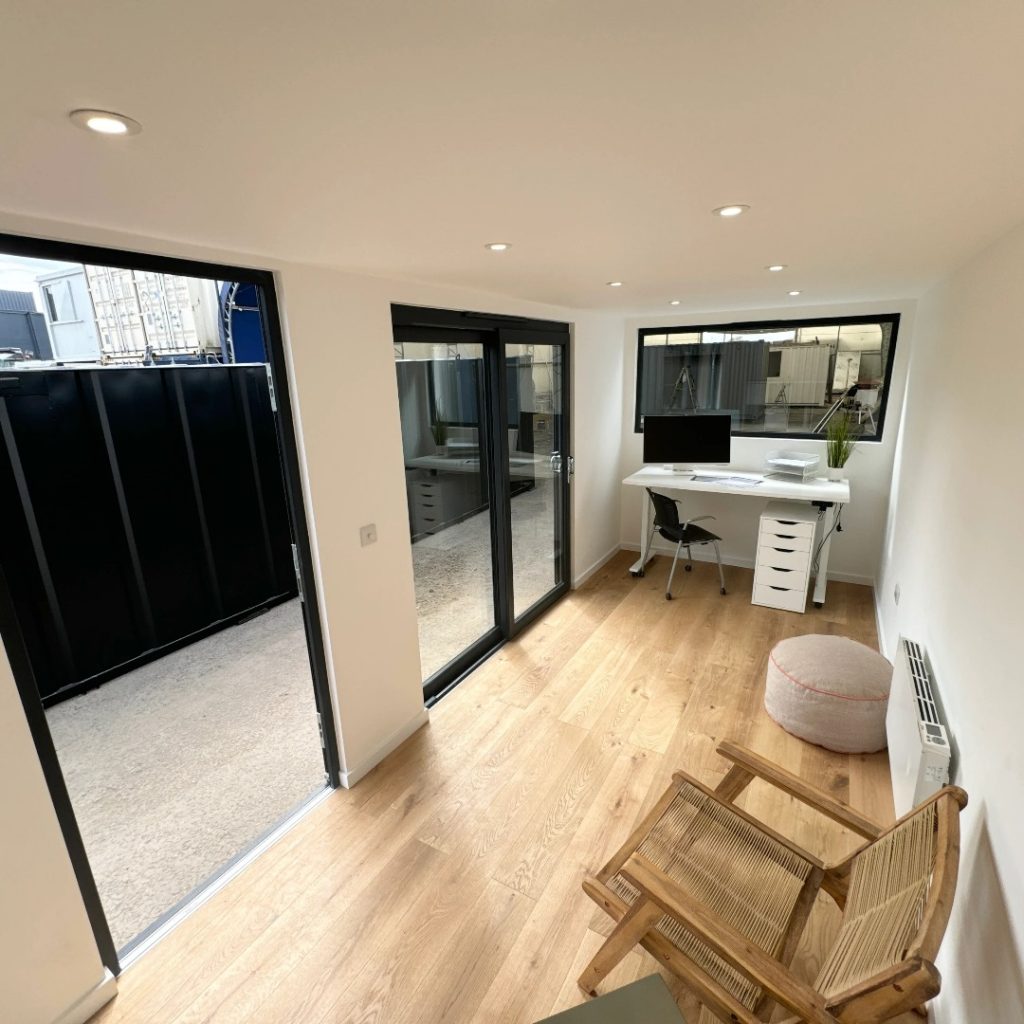
Your Guide to Turning a Shipping Container into a Dream Cabin
If you’ve ever imagined a tiny‑home retreat that’s both rugged and stylish, a shipping container cabin might be the answer you’ve been looking for. These steel boxes, once criss‑crossing oceans loaded with everything from electronics to furniture, are now being repurposed into modern cabins, offices, studios, and even weekend getaways. In this friendly, step‑by‑step guide you’ll learn why a container cabin works, how to design and build one, and what you need to keep in mind before you start. Let’s dive in!
1. Why Choose a Shipping Container Cabin?
| Feature | Benefits | Typical Cost Range* |
|---|---|---|
| Durability | Made from marine‑grade steel, resistant to rot, termites, and fire. | $2,000 – $4,500 per 20‑ft container (used) |
| Modularity | Stack or combine multiple units for larger spaces. | $3,500 – $7,000 per 40‑ft container (used) |
| Speed of Construction | Basic shell is ready‑to‑use; interior finish can be completed in weeks. | $10,000 – $30,000 for a finished cabin (incl. insulation, interior) |
| Portability | Can be transported by truck, rail, or ship; relocatable if needed. | $1,000 – $3,000 for moving a single unit 200 miles |
| Eco‑Friendly | Upcycles waste metal; reduces need for traditional lumber builds. | Variable – often lower carbon footprint vs. conventional home |
*Prices reflect 2024 U.S. market averages; actual cost depends on condition, location, and customization level.
The “Wow” Factor
- Industrial chic: Exposed steel beams paired with reclaimed wood create a modern loft feel.
- All‑season comfort: With proper insulation (spray foam, rigid board, or sheep’s wool) you can keep the cabin cozy in winter and cool in summer.
- Flexibility: Want a home office, a tiny studio, or a guest house? One container can be adapted to almost any purpose.
2. Planning Your Cabin – The Checklist
Before you call a local carpenter or start welding, run through this quick list. Tick each box as you go.
- Define the purpose – Weekend retreat? Full‑time tiny home? Office?
- Choose container size – 20‑ft (≈ 160 sq ft) vs. 40‑ft (≈ 320 sq ft).
- Set a budget – Include container, transport, foundation, insulation, interior finish, utilities.
- Pick a location – Zoning, setbacks, and site access matter.
- Design layout – Sketch floor plans; decide on windows, doors, and interior walls.
- Select insulation type – Spray foam, rigid foam, or eco‑friendly alternatives.
- Plan utilities – Electrical, water, sewage, or off‑grid options (solar, composting toilet).
- Obtain permits – Building, electrical, plumbing – vary by municipality.
- Hire professionals – Structural engineer (if cutting large openings), electrician, plumber.
- Timeline – Allocate 8‑12 weeks for a basic finish, longer for custom features.
3. From Box to Cabin: Step‑by‑Step Build Process
Below is a condensed roadmap that takes you from “raw container” to “ready‑to‑live cabin.” Feel free to adjust based on your skill set and local regulations.
3.1 Acquire the Container
- Where to buy: Local container yards, online marketplaces (e.g., ContainerOne, eContainers), auction sites.
- What to inspect: Rust spots, dents, previous modifications, and the condition of the doors.
- Tip: A used container with a good roof and minimal corrosion is usually cheaper than a “new” one, and you’ll still have a solid structure.
3.2 Prepare the Site
| Task | Details |
|---|---|
| Foundation | Concrete pier blocks (cheapest), slab (more stable), or steel footings. |
| Ground leveling | Ensure a flat, well‑drained base to prevent moisture wicking into steel. |
| Access | Provide a driveway or crane clearance for delivery. |
| Utilities hook‑up | Dig trench for water, electricity, or run a solar array. |
3.3 Modify the Shell
- Cut openings – Windows, doors, and any interior partitions. Use a plasma cutter or an angle grinder with a cutoff wheel.
- Reinforce – Add steel brackets or welding plates around large cuts to keep structural integrity.
- Install framing – Wood or metal studs around openings for windows/doors; this also helps attach insulation.
3.4 Insulate & Weather‑Seal
- Spray foam (closed‑cell) offers the best R‑value (≈ R‑20 per inch) and seals gaps.
- Rigid foam board (polyiso or XPS) works well on walls and roof, then covered with interior panels.
- Seal seams with silicone or butyl tape to prevent drafts and condensation.
3.5 Interior Finishing
- Wall panels: Plywood, reclaimed wood, or drywall. Add a vapor barrier if using drywall.
- Flooring: Vinyl plank, engineered hardwood, or polished concrete.
- Ceiling: Exposed steel beams for an industrial look, or attach acoustic panels for sound control.
- Fixtures: Compact kitchen modules, wall‑mounted shower stalls, and space‑saving furniture.
3.6 Utilities & Comfort
| System | Options |
|---|---|
| Electric | Connect to grid, install a sub‑panel, or go off‑grid with solar + battery bank. |
| Heating | Mini‑split heat pump, electric baseboard, or wood‑burn stove (requires vent). |
| Cooling | Same mini‑split can provide AC; insulated windows reduce load. |
| Water | Hook to municipal supply, rain‑water catchment, or a well. |
| Sewage | Connect to sewer, install a septic tank, or use a composting toilet. |
3.7 Final Touches
- Paint the exterior with rust‑inhibiting primer and a light‑reflective color (e.g., soft gray or pastel).
- Add landscaping: a deck, native plants, or a tiny garden to soften the industrial vibe.
- Install smart home devices (thermostat, lighting) for added convenience.
4. Pros & Cons – A Quick Reference
| Pros | Cons |
|---|---|
| Fast build time – A finished cabin can be ready in a few months. | Limited width – Standard containers are 8 ft wide; you may need multiple units for larger spaces. |
| Stackable – Stack two or more for a multi‑level home. | Insulation challenges – Steel conducts heat; proper insulation is crucial. |
| Strong & secure – Hard to break into, fire‑resistant. | Transportation costs – Moving a heavy steel box can be pricey. |
| Eco‑friendly – Reuses existing material. | Design restrictions – Cutting too many openings can compromise structural integrity. |
| Resale value – Growing market for container homes. | Permitting hurdles – Some municipalities lack clear guidelines for container construction. |
5. Real‑World Inspiration – What Others Have Done
- “The Beach Box” – A 40‑ft container transformed into a seaside getaway with floor‑to‑ceiling windows, a rooftop deck, and a tiny kitchen.
- “Urban Studio Loft” – Two stacked 20‑ft containers converted into a compact studio apartment in Detroit, featuring exposed steel beams and reclaimed brick interior.
- “Off‑Grid Cabin” – A single 20‑ft unit in the Colorado Rockies, powered entirely by solar panels and a rain‑water collection system.
These projects show that with imagination, any container can become a cozy sanctuary.
6. Frequently Asked Questions
| Question | Answer |
|---|---|
| Do I need a building permit? | Most jurisdictions require a permit for any permanent structure. Check with your city planning office early in the process. |
| How much does a finished cabin cost? | Costs vary widely. For a basic 20‑ft cabin (including container, foundation, insulation, and minimal interior) expect $15,000‑$25,000. A fully finished 40‑ft cabin can reach $45,000‑$80,000. |
| Can I live in a container cabin full‑time? | Yes, provided you meet local code requirements for habitability (insulation, ventilation, egress windows, etc.). |
| Is steel safe for living spaces? | Absolutely. Steel is non‑combustible and does not off‑gas. Proper insulation and ventilation eliminate condensation concerns. |
| What’s the best insulation method? | Closed‑cell spray foam offers the highest R‑value and moisture barrier, but rigid foam board plus interior paneling is a cost‑effective alternative. |
| Do I need a professional engineer? | If you plan to cut large openings (e.g., a wide sliding door) or stack multiple containers, an engineer should review the design. |
| How long does delivery take? | Once ordered, a used container typically arrives within 1‑3 weeks depending on distance and availability. |
| Can I add solar panels? | Yes—mount them on the roof or a nearby pole. Ensure the roof framing can support the weight (usually a no‑issue for steel). |
| Is there a warranty on used containers? | Some suppliers offer limited warranties (e.g., 1‑year rust protection). Read the fine print before buying. |
| What about resale? | Container cabins are gaining popularity; a well‑finished unit can resell for a similar or slightly higher price than the build cost, depending on location. |
7. Ready to Start? Your First Action Plan
- Sketch your dream – Grab a notebook or use a free floor‑plan app (Floorplanner, SketchUp).
- Set a realistic budget – Include a 10‑15% contingency for unexpected expenses.
- Scout locations – Look for a plot with easy access and acceptable zoning.
- Source a container – Contact at least three suppliers for quotes; compare condition and price.
- Consult local officials – Ask about permits, setbacks, and required inspections.
- Gather a team – Even if you’re a DIY enthusiast, a licensed electrician or plumber will save headaches later.
- Start small – If you’re unsure, begin with a 20‑ft cabin; you can always add a second unit later.
8. Final Thoughts – Your Own Piece of Modern Simplicity
A shipping container cabin isn’t just a trendy novelty; it’s a practical solution for anyone craving a compact, sturdy, and sustainable living space. By following the steps above, you’ll be able to design, build, and enjoy a cabin that reflects your personal style while honoring the planet.
So, roll up your sleeves, grab a cup of coffee, and start turning that steel box into your very own haven. The ocean may have carried it across the globe, but now it’s your turn to steer it to a new destination—your home. Happy building!