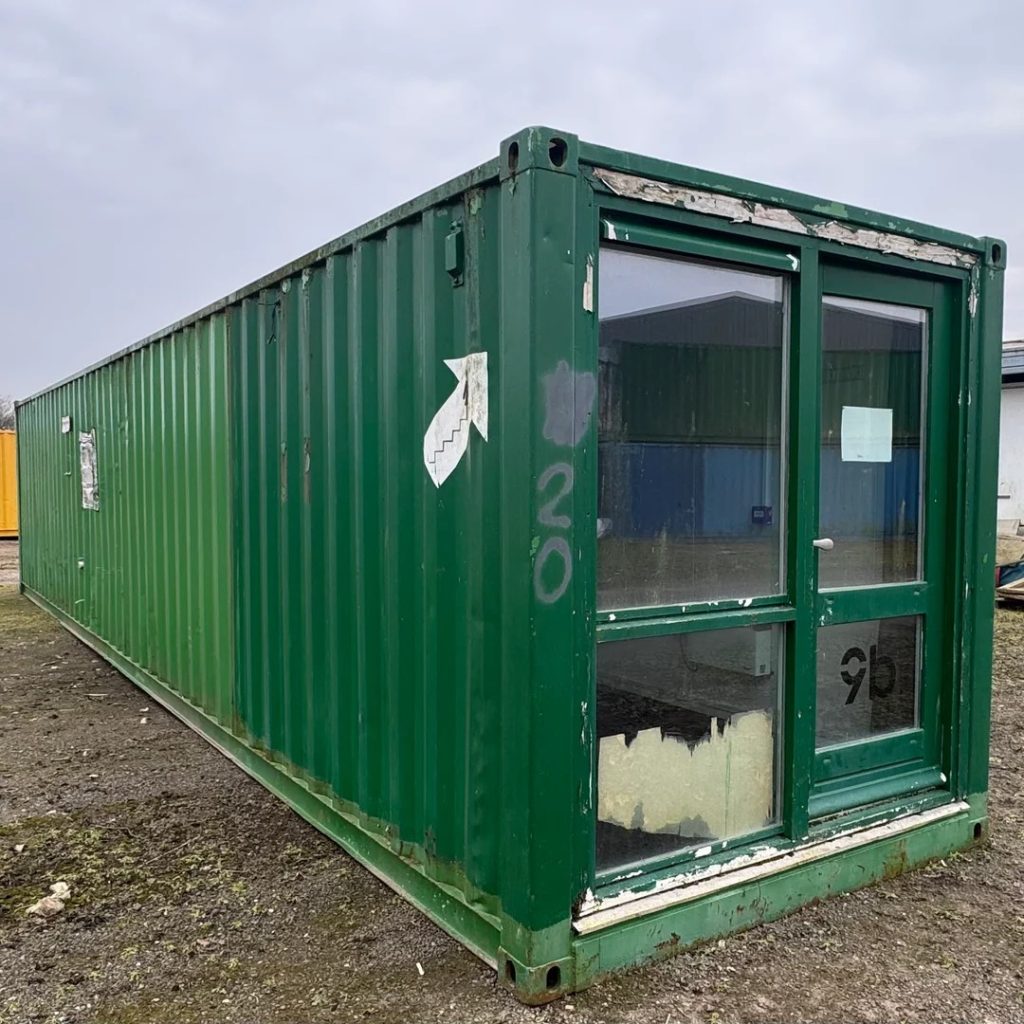
Grow a Thriving Shipping‑Container Garden: Your Step‑by‑Step Handbook
You’ve probably seen those bright, steel boxes stacked on docks, humming with cargo trucks, and wondered: Could one of those containers become my next garden oasis? The answer is a resounding yes! With a little imagination, a few tools, and some smart planning, a shipping container can transform into a year‑round, low‑maintenance garden that fits perfectly on a balcony, a back‑yard, or even an apartment roof.
In this friendly, hands‑on guide you’ll learn how to choose, convert, and nurture a shipping‑container garden that reflects your style, climate, and budget. Grab a notebook—there’s plenty of useful tables, lists, and FAQs to help you become the container‑garden guru you were born to be.
1. Why Choose a Shipping‑Container Garden?
| Benefit | What It Means for You |
|---|---|
| Space‑Saving | A 20‑ft container occupies the footprint of a small garage but offers up to 1,200 sq ft of growable surface when you use vertical racks. |
| Portability | Move it if you rent, relocate, or simply want a new view—just roll the container on a trailer. |
| Climate Control | The steel walls provide insulation; you can add foam or reflective paint to keep extremes at bay. |
| Pest Resistance | A sealed metal shell keeps many garden pests (rabbits, raccoons, bugs) out. |
| Urban‑Friendly | No‑soil, no‑ground‑digging—perfect for city dwellers with limited land rights. |
| Stylish & Customizable | Paint, murals, shelving, LED lighting—you can make it a statement piece. |
If any of these perks light up your green thumb, you’re already on the right track.
2. Picking the Perfect Container
Before you start drilling holes, decide which container best fits your goals.
| Size | Interior Dimensions (in) | Best For |
|---|---|---|
| 10 ft (Standard) | 9.5 × 8 × 8.5 | Small herb garden, micro‑greens, starter seedlings. |
| 20 ft (Standard) | 19.5 × 8 × 8.5 | Mixed vegetables, dwarf fruit trees, multi‑level hydroponics. |
| 40 ft (Standard) | 39.5 × 8 × 8.5 | Full‑scale garden, commercial micro‑farm, community plot. |
Considerations for your pick
- Location: Does the site have a paved surface that can support the container’s weight (≈ 2,200 lb empty, up to 4,000 lb loaded)?
- Ventilation: Larger containers allow more airflow, reducing humidity‑related diseases.
- Access: You’ll need at least one side door or removable panel for easy reach.
- Budget: New containers start around $2,500 for a 20‑ft unit; refurbished ones can be half that price.
3. Preparing Your Container: From Rusty Box to Garden Ready
- Clean & Inspect – Wash the exterior with water and a mild degreaser. Scrub any rust spots with a wire brush.
- Seal the Interior – Apply a food‑grade interior sealant or epoxy paint (avoid lead‑based products). This prevents chemicals leaching into soil.
- Insulate (Optional) – Attach rigid foam panels to the walls and ceiling, then cover with reflective Mylar for temperature stability.
- Install Drainage –
- Floor: Drill a series of ½‑inch holes (spacing ~6 in apart) in a grid pattern.
- Side/Bottom Drainage Trays: Place a shallow tray or French drain to catch runoff.
- Ventilation & Light – Cut two to three 12‑inch vents on opposite sides, fitted with mesh to keep insects out. Add a clear polycarbonate window or skylight for natural sunlight (or plan for supplemental grow lights).
Pro Tip: If you’re in a hot climate, consider installing a small, solar‑powered exhaust fan to pull hot air out.
4. Soil Mix & Growing Media
Unlike traditional garden beds, a container garden demands a light, well‑draining mix. A classic “potting blend” works well, but customizing it for your plants yields better results.
DIY Container Soil Recipe (5 gal batch)
| Ingredient | Quantity | Why It Matters |
|---|---|---|
| Coir or Coconut Peat | 2 gal | Retains moisture without becoming soggy. |
| Perlite | 1 gal | Improves aeration and drainage. |
| Compost (well‑aged) | 1 gal | Provides nutrients and beneficial microbes. |
| Worm Castings | 0.5 gal | Boosts organic matter & nitrogen. |
| Lime (if using peat) | 2 Tbsp | Balances pH to ~6.5–7.0. |
| Slow‑Release Fertilizer (e.g., 14‑14‑14) | ¼ cup | Supplies nutrients for 8‑12 weeks. |
Mix thoroughly, then fill the container to within 2 in of the top rim—leaving room for watering.
5. Choosing the Right Plants
Your container’s dimensions, light exposure, and climate will dictate plant selection. Below is a quick‑reference table to help you mix and match.
| Plant Type | Sun Requirement | Root Depth (in) | Yield/Harvest | Best for 20‑ft Container |
|---|---|---|---|---|
| Basil, cilantro, parsley | Full (6–8 h) | 6–12 | Continuous harvesting | Herb strip, 2‑ft wide |
| Cherry tomatoes (dwarf) | Full | 12–18 | 8–12 lb per plant | Vertical trellis, 4 plants |
| Lettuce (mixed varieties) | Partial (4–6 h) | 6–10 | Every 30 days | Shelf rows, 20 heads |
| Strawberries (everbearing) | Full | 12 | 2 lb per plant | Hanging baskets, 12 plants |
| Dwarf pepper (bell/ hot) | Full | 12 | 5–7 lb per plant | Corner pods, 6 plants |
| Micro‑greens (radish, mustard) | Partial | 1–2 | Harvest in 7–14 days | Trays, 8 trays |
| Herbs (rosemary, thyme) | Full | 12 | Year‑round | Upper rack, 4 pots |
Tips for a Balanced Garden
- Layer Vertically: Use tiered shelving to grow low‑light leafy greens below taller fruiting plants.
- Mix Fast and Slow Growers: Pair quick‑harvest micro‑greens with slower‑growing tomatoes for continual productivity.
- Companion Planting: Marigolds deter pests; basil improves tomato flavor.
6. Layout & Design Checklist
- Map Your Space – Sketch a top‑down view of the container. Mark aisles (minimum 12 in wide) for easy access.
- Select Shelving System – Heavy‑duty metal racks (4‑ft deep) allow stacked trays; add wheels for mobility.
- Position Lights & Vents – Place grow lights above the tallest plants; ensure vents are opposite to promote airflow.
- Allocate Water Source – Set up a drip‑irrigation line with a timer; attach a moisture sensor to avoid over‑watering.
Sample Layout (20‑ft container)
|---|---|---|---|---|---|---|---|---|---|
| H | L | L | L | L | T | T | T | H | H |
|---|---|---|---|---|---|---|---|---|---|
Legend:
H = Herb rack (2‑ft wide)
L = Lettuce shelf (3‑ft wide)
T = Tomato trellis (4‑ft wide)
Feel free to rearrange according to your favorite crops!
7. Watering, Feeding & Maintenance
| Task | Frequency | Tools Needed |
|---|---|---|
| Check soil moisture | Every morning (or use sensor) | Finger test, moisture meter |
| Drip system flush | Monthly | Bucket, hose |
| Fertilizer top‑up (liquid) | Every 2 weeks | Watering can, soluble fertilizer |
| Prune vines & dead leaves | As needed (usually weekly) | Pruning shears |
| Clean interior (walls, shelves) | Quarterly | Soft cloth, mild soap |
| Inspect for rust or leaks | Every 6 months | Flashlight, screwdriver |
Watering Tips
- Avoid Standing Water: Ensure drainage holes never get clogged.
- Morning Watering: Gives foliage time to dry, reducing fungal risk.
- Mulch Lightly: Use straw or shredded coconut coir on top of soil to keep moisture steady.
8. Seasonal Adjustments
| Season | What to Adjust | Plant Recommendations |
|---|---|---|
| Spring | Add seed trays, increase light duration to 12‑14 h | Peas, lettuce, early tomatoes |
| Summer | Boost ventilation, shade half the container midday | Heat‑tolerant herbs, peppers, cucumbers |
| Autumn | Reduce watering, switch to cooler‑weather greens | Kale, spinach, broccoli |
| Winter (if insulated) | Use supplemental LED lights (16 h), keep temperature 55‑65 °F | Micro‑greens, indoor herbs, dwarf citrus (if heat source available) |
If you live in a harsh climate, consider moving the container indoors during extreme cold or heat spikes.
9. Budget Snapshot (Approximate)
| Item | Cost (USD) | Notes |
|---|---|---|
| 20‑ft refurbished container | $1,500 | Check local salvage yards |
| Interior epoxy sealant (5 gal) | $120 | Food‑grade |
| Insulation foam panels | $200 | Optional, but valuable |
| Shelving system (metal, 4‑tier) | $350 | Adjustable height |
| Grow lights (LED, 400 W total) | $180 | Energy‑efficient |
| Drip‑irrigation kit with timer | $90 | Include moisture sensor |
| Soil mix ingredients (5 gal) | $45 | Can be bulk‑bought |
| Seeds & seedlings | $80 | Variety pack |
| TOTAL | ≈ $2,565 | +/- depending on DIY vs. pre‑built options |
You can shave costs by repurposing pallets for shelving, using reclaimed windows for skylights, or sourcing compost locally.
10. Inspiration: 3 Creative Themes
- “Urban Farm-to‑Table” – Fill the container with heirloom tomatoes, salad greens, and a small herb bar. Add a reclaimed wood countertop on the front for chopping right inside.
- “Zen Green Wall” – Install vertical pockets on one side and grow cascading ferns, succulents, and bamboo. Pair with a small water feature for ambient sound.
- “Kids’ Discovery Garden” – Use low‑height trays for quick‑growing radishes and micro‑greens. Add a chalkboard panel for labeling, and let children water with a child‑size hose.
Frequently Asked Questions
Q1: Do I need a permit to place a shipping container on my property?
A: It varies by municipality. Most residential zones allow containers as accessory structures, but you may need a building or zoning permit, especially if you plan to modify the exterior (e.g., adding windows). Check with your local planning department before purchasing.
Q2: How can I keep the container from overheating in summer?
A: Paint the exterior with a light‑reflective (cool‑roof) coating, apply exterior insulation, and install a vented roof or an exhaust fan. You can also drape a shade cloth over the top during the hottest afternoon hours.
Q3: Can I grow fruit trees in a container garden?
A: Yes—dwarf varieties such as “Dwarf Meyer Lemon,” “Miniature Apple,” or “Fig (‘Petite Negra’)” thrive in deep containers (minimum 8‑ft tall). Provide a large pot, high‑quality potting mix, and prune regularly to maintain size.
Q4: What’s the best way to control pests without chemicals?
A: Use physical barriers (fine mesh netting), introduce beneficial insects (ladybugs, lacewings), and apply neem oil or insecticidal soap when needed. Companion plants like marigold or basil also deter many pests.
Q5: How often should I rotate crops in a container garden?
A: Aim for a 2‑year rotation: follow heavy feeders (tomatoes, peppers) with light feeders (lettuce, herbs). This helps prevent nutrient depletion and reduces disease buildup.
Q6: Is hydroponics an option inside a shipping container?
A: Absolutely! A container provides a controlled environment ideal for NFT or drip‑hydroponic systems. You’ll need a water reservoir, pump, and nutrient solution—but the same layout principles (lighting, ventilation) apply.
Q7: Can I use a regular garden hose for watering?
A: You can, but a drip‑irrigation system with a timer is far more water‑efficient and reduces the risk of over‑watering. If you use a hose, install a flow‑control valve and a watering wand to distribute water evenly.
Q8: What’s the lifespan of a shipping‑container garden?
A: With proper maintenance (regular rust checks, resealing, and structural inspections), a steel container can last 30+ years. The interior grow‑media will need replacement every 3–5 years, depending on crop cycles.
11. Your First 30‑Day Action Plan
| Day | Task | Outcome |
|---|---|---|
| 1‑3 | Source a container & clean it | Clean, rust‑free shell ready for conversion |
| 4‑7 | Seal interior & drill drainage | Leak‑proof, well‑draining base |
| 8‑10 | Install insulation, shelving, and vent openings | Temperature control & easy access |
| 11‑13 | Set up lighting, power, and water source | Ready for planting |
| 14‑16 | Prepare soil mix and fill containers | Nutrient‑rich growing medium |
| 17‑20 | Plant first batch (herbs + lettuce) | Fast‑growing greens for early harvest |
| 21‑23 | Install drip‑irrigation and timer | Automated watering schedule |
| 24‑30 | Monitor, adjust, and enjoy first harvest | Confidence & data for next planting round |
12. Final Thoughts
A shipping‑container garden isn’t just a clever space‑saving hack; it’s a statement that sustainable, fresh food can flourish even in the most compact urban settings. By following this guide—choosing the right container, preparing a clean, insulated interior, using a balanced soil mix, and planning a smart plant layout—you’ll create a thriving oasis you can be proud of.
Remember, gardening is as much about experimentation as it is about routine. Don’t be afraid to swap out plants, tweak lighting, or add a new shelf level. Each adjustment brings you closer to the perfect container garden that reflects your taste, climate, and lifestyle.
So, roll up those sleeves, fire up the drill, and let the steel walls of your shipping‑container become the newest, most productive room in your home. Happy planting! 🌱🚢