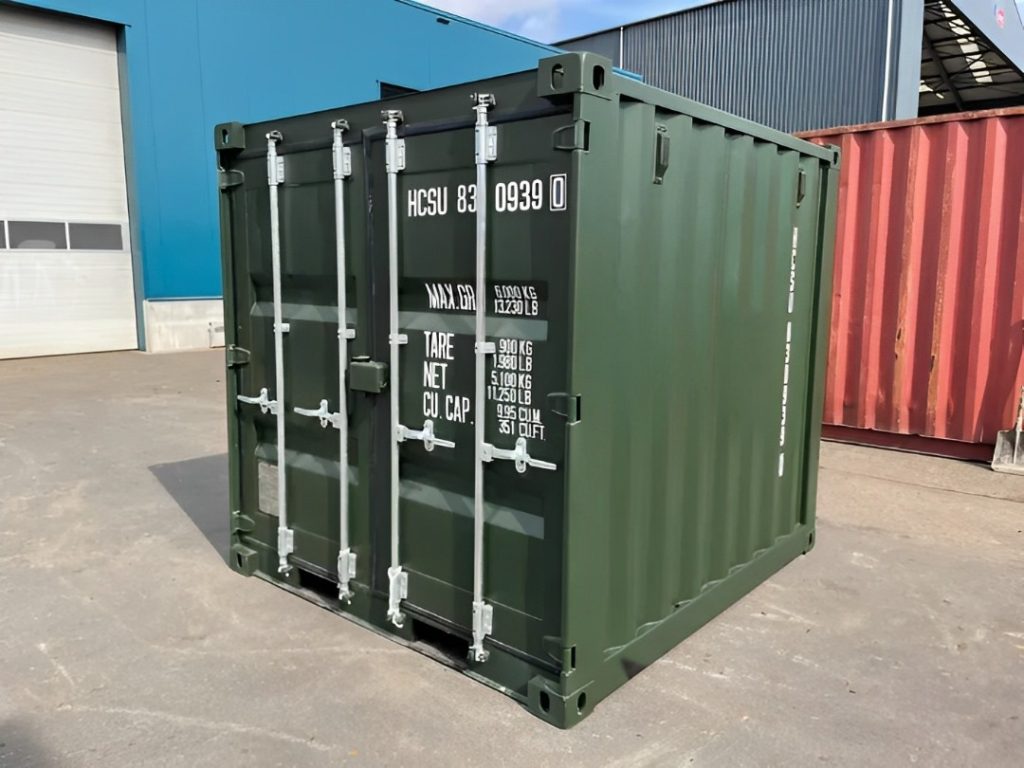
Shipping Container Houses for Sale in the UK – Your Friendly Guide to a Modern, Sustainable Home
If you’ve ever dreamed of a home that looks as sleek as a designer loft, costs less than a traditional build, and leaves a tiny carbon footprint, you’ve probably heard the buzz about shipping container houses. In the UK, they’re moving from quirky “tiny‑house” projects to fully‑fledged, planning‑approved dwellings you can move into next year. This post will walk you through everything you need to know – from the different styles on the market to financing, planning permission, and the top FAQs – so you can decide whether a container home is the right move for you.
1. Why a Shipping Container House?
| Benefit | What It Means for You |
|---|---|
| Speed of construction | Most container homes are finished in 3‑6 months – a fraction of the 12‑24 months typical for a brick build. |
| Cost‑efficiency | You can often purchase a “turn‑key” container home for £70‑£150k depending on size and finish, compared with £200‑£300k for a comparable traditional build. |
| Sustainability | Re‑using steel containers reduces waste and saves up to 1,200 tonnes of CO₂ per house over its lifetime. |
| Mobility | If you ever need to relocate, a container home can be lifted and moved (subject to planning rules). |
| Design flexibility | Stacking, cutting, and glazing give you endless layout possibilities – from studio apartments to four‑bedroom family homes. |
If any of those points spark a smile, you’re already on the right track.
2. Types of Container Homes on the UK Market
| Model | Container Size(s) | Typical Floor Area | Bedrooms | Price Range | Key Features |
|---|---|---|---|---|---|
| The Urban Studio | 1× 20ft | 12 m² | 1 (open plan) | £70‑85k | Compact, ready‑to‑move, ideal for city plots or “back‑yard” extensions. |
| The Family Pod | 2× 40ft (stacked) | 50 m² | 2‑3 | £115‑140k | Double‑storey, full kitchen, insulated walls, optional loft. |
| The Luxury Loft | 3× 40ft (L‑shaped) | 85 m² | 2 | £150‑180k | High‑end finishes, floor‑to‑ceiling windows, rooftop terrace. |
| The Off‑Grid Cabin | 2× 20ft + 1× 40ft (side‑by‑side) | 40 m² | 1‑2 | £95‑110k | Solar panel ready, rain‑water collection, independent heat pump. |
| The Custom Build | As many as you need | Fully bespoke | Any | Starts at £180k | Tailored design, multi‑storey, optional garage, garden integration. |
Tip: Most manufacturers offer a “design‑your‑own” portal where you can toggle bedroom numbers, add skylights, or choose interior finishes. Play around with it – you’ll be surprised how quickly a simple 20ft container morphs into a dream kitchen.
3. Step‑by‑Step: How to Buy a Shipping Container House in the UK
- Define Your Budget & Site
- Determine how much you can spend including land, foundation, utilities, and planning fees.
- Check local council guidelines – some areas have restrictions on “temporary” structures.
- Pick a Supplier
- Look for UK‑based manufacturers with a solid portfolio, warranty, and optional after‑sales service.
- Ask for references and view completed projects in person if possible.
- Choose a Design
- Use the table above to narrow down a model.
- Consider future expansions – many sellers allow you to add another container later.
- Secure Planning Permission
- In most English regions, a container home is treated like any other dwelling, but you’ll need a Planning Permission (or Permitted Development if it meets size criteria).
- Your supplier often assists with the paperwork; provide site plans, elevations, and a Design & Access Statement.
- Finance the Purchase
- Traditional mortgages now accept container homes if they’re registered with the Land Registry.
- Some specialist lenders offer “modular mortgages” with lower deposits.
- Prepare the Site
- Lay foundations – commonly a concrete slab or mini‑piling system.
- Install utilities: electricity, water, and sewage (or an off‑grid solution).
- Delivery & Installation
- The container(s) arrive on a crane; a few days later they’re set, welded (if needed), and interior work begins.
- Expect interior fit‑out (plumbing, insulation, flooring) to be completed within 4‑6 weeks.
- Final Inspection & Move‑In
- Your local council may carry out a Building Regulations inspection.
- Once signed off, you can start decorating and moving your belongings in.
4. Pros & Cons – A Quick Checklist
Pros
- ✅ Faster build time
- ✅ Lower construction waste
- ✅ Strong, weather‑resistant structure
- ✅ Flexible layout possibilities
- ✅ Can be more affordable than traditional builds
Cons
- ❌ May need extra insulation to meet UK climate standards
- ❌ Limited internal width (≈2.4 m) may feel tight for larger families
- ❌ Some planning authorities still treat them as “unusual” structures
- ❌ Resale market is still emerging, though demand is growing
5. Real‑World Cost Breakdown (Example: 2‑Bedroom Family Pod)
| Item | Estimated Cost |
|---|---|
| Container shell (2 × 40ft) | £22,000 |
| Insulation & cladding | £8,500 |
| Interior fit‑out (kitchen, bathroom, flooring) | £25,000 |
| Foundation (concrete slab) | £12,000 |
| Electrical & plumbing | £9,000 |
| Planning & architectural fees | £4,500 |
| Transport & crane hire | £3,000 |
| Total (excluding land) | ≈ £84,000 |
| Add‑on: Solar PV kit | £5,500 |
| Add‑on: Garden landscaping | £6,000 |
| Grand Total | ≈ £95,500 |
These figures are based on 2024‑2025 market averages. Prices vary by region, supplier, and finish level.
6. Frequently Asked Questions
| Question | Answer |
|---|---|
| Do I need a special mortgage for a container house? | Not necessarily. Most UK lenders will treat a registered, planning‑approved container home like any other property. However, specialist modular‑mortgage providers may offer better rates and lower deposits. |
| Can I expand later? | Absolutely. One of the biggest benefits is modularity – you can add another container, build a mezzanine, or even attach a traditional annex. Just confirm that the original planning permission allows for future expansions. |
| Is the steel safe from corrosion? | Containers are made from marine‑grade Corten steel, designed to resist rust. In a UK climate you’ll still need proper external cladding and maintenance of paint or coating systems, especially in coastal areas. |
| What about insulation? | Yes, you’ll need to insulate the walls, roof, and floor to meet Building Regulations (U‑value ≤ 0.30 W/m²K). Most suppliers install PIR or mineral‑wool panels, and you can add external cladding for extra thermal performance. |
| Do container homes retain heat well? | When properly insulated, they perform on par with conventional homes. Adding double‑glazed windows, a heat‑pump, and a well‑sealed envelope makes them comfortable even in winter. |
| Are there any restrictions on where I can place a container home? | Planning rules differ by council. Rural areas often have fewer restrictions, while some conservation zones in historic towns might reject a visible container. Always check with the local planning department before buying land. |
| Can I finance the land and the home together? | Yes, many lenders offer a combined mortgage for land purchase and construction. A “self‑build” mortgage can be split into stages, releasing funds as each phase (foundation, shell, interior) is completed. |
| What resale value can I expect? | The market is still emerging, but recent sales in Manchester and Bristol show container homes achieving 95‑110 % of the asking price within a year, especially when located in high‑demand urban fringe areas. |
| Do I need a professional to handle the conversion? | While DIY conversions are possible for small studios, a full‑scale family home is best managed by a certified modular home builder who can guarantee compliance with Building Regulations. |
| How long does planning permission usually take? | Typically 4‑8 weeks for straightforward applications. Complex designs or heritage sites can extend to 12‑16 weeks. Early engagement with the council can speed things up. |
7. Where to Find Shipping Container Houses for Sale in the UK
| Region | Popular Suppliers | Typical Offerings |
|---|---|---|
| London & South East | UrbanNest, ContainerLiving | Compact studios for city infill sites, high‑spec lofts. |
| Midlands | ModPod, GreenBox Homes | Family pods and off‑grid cabins, often with garden kits. |
| North West | Cotswold Container Homes (also serves the north) | Luxury L‑shaped layouts, rooftop decks. |
| Scotland | Ecocontainer, Highland Modular | Robust insulated builds for colder climate, eco‑options. |
| Wales | Celtic Container Homes | Custom builds with stone cladding to blend into rural scenery. |
Pro Tip: Sign up for the newsletters of at least two suppliers per region. They often announce early‑bird discounts or financing partnerships that can shave thousands off your final price.
8. A Quick “Start‑Now” Checklist
- Set a realistic budget (include land, foundation, utilities).
- Identify a plot that meets local planning criteria.
- Research suppliers – read reviews, request portfolio photos.
- Pick a design from the table above or start a custom brief.
- Arrange a pre‑planning meeting with your council.
- Secure financing – talk to your bank about modular mortgages.
- Book your site preparation (groundworks, utilities).
- Schedule delivery and plan for a short construction window.
- Enjoy the move‑in day and start personalising your new home!
9. Final Thoughts – Is a Shipping Container House Right for You?
If you’re after a fast, affordable, and sustainable solution, a shipping container house ticks all the boxes. The UK market now offers a range of ready‑made models, custom options, and financing pathways, making it easier than ever to turn a steel box into a cosy, stylish home. Remember, the key to a smooth experience is planning ahead: lock in your land, confirm planning permission, and partner with a reputable supplier.
Take a moment today to imagine your life inside a container home – perhaps a sun‑lit loft overlooking a garden, a compact studio perfect for a city commute, or a family pod where the kids can watch the sunrise from a rooftop deck. The possibilities are almost as limitless as your imagination, and the path to a modern, eco‑friendly dwelling is right at your fingertips.
Ready to start the journey? Grab that checklist, reach out to a local supplier, and let the steel walls of your future home begin to take shape.
Happy building!