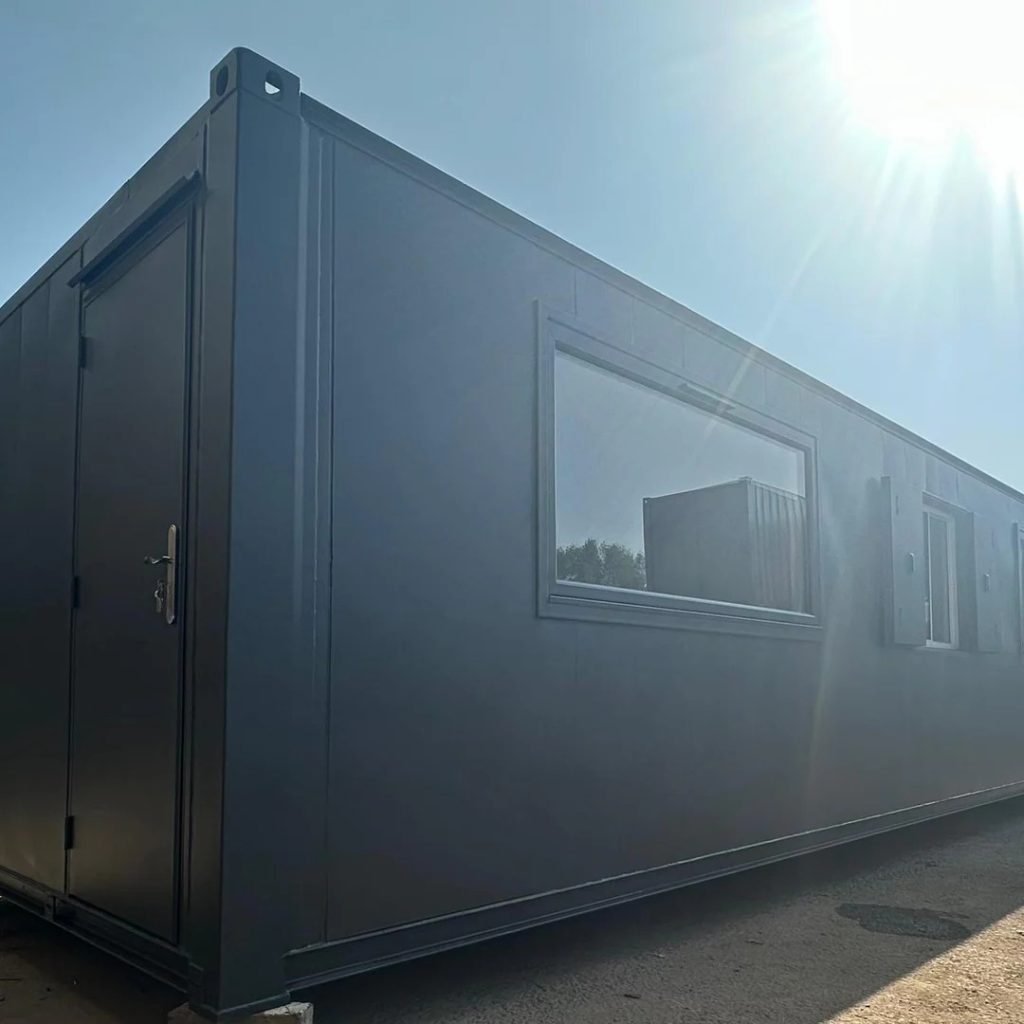
Your Complete Guide to Shipping Container Rent
If you’ve ever needed extra storage, a pop‑up shop, or a quick‑build office, a shipping container can be a game‑changer. Below you’ll discover everything you need to know about renting one – from choosing the right size to keeping costs low. Grab a coffee, settle in, and let’s unpack the world of container rentals together.
Why Renting a Shipping Container Makes Sense
| Benefit | What It Means for You |
|---|---|
| Flexible Lease Terms | Rent for a month, a year, or anything in‑between – you decide. |
| Immediate Availability | No waiting for a build‑out; a container can be delivered in days. |
| Cost‑Effective | Typically 30‑70 % cheaper than constructing a traditional building. |
| Durable & Secure | Steel walls protect against weather, theft, and pests. |
| Eco‑Friendly | Re‑using a container reduces waste and carbon footprint. |
If any of these points resonates with you, you’re already on the right track. Whether you need a temporary storage space for seasonal inventory, a mobile office for a construction site, or a pop‑up café at a weekend market, renting a container can keep your project moving forward without breaking the bank.
1. Understanding the Different Container Types
Before you sign a rental agreement, it’s crucial to know which container fits your needs. Below is a quick‑reference table that breaks down the most common options:
| Container Type | Standard Dimensions (L × W × H) | Typical Use Cases | Pros | Cons |
|---|---|---|---|---|
| 20‑Foot Dry Container | 20 ft × 8 ft × 8.5 ft | Small storage, portable office, mini‑shop | Compact, easy to maneuver, lower cost | Limited interior space |
| 40‑Foot Dry Container | 40 ft × 8 ft × 8.5 ft | Larger inventory, workshop, event venue | Double the floor area, still stackable | Requires larger delivery truck |
| 40‑Foot High‑Cube | 40 ft × 8 ft × 9.5 ft | Tall equipment, lofted office, studio | Extra 1 ft of height, better ventilation | Slightly higher rental price |
| Reefer (Refrigerated) Container | 20 ft or 40 ft same | Cold‑storage, food trucks, medical supplies | Temperature‑controlled, insulated | Higher energy cost, maintenance of cooling unit |
| Open‑Top Container | 20 ft or 40 ft same | Bulk goods, oversized cargo, construction materials | Easy loading from the top, no height restrictions | Less secure from weather & theft |
| Flat‑Rack Container | Varies, often 20 ft or 40 ft | Heavy machinery, vehicles, large pallets | Ideal for irregular loads | Exposed cargo, needs extra security |
Quick tip: If you’re unsure, start with a 20‑foot dry container. It’s the most versatile and the least expensive to rent. You can always upgrade later.
2. How Much Does It Cost to Rent?
Pricing varies by region, container type, lease length, and any added services (like delivery, modifications, or climate control). Below is a ballpark range you can expect in the United States for a standard 30‑day rental:
| Container Size | Monthly Rental Rate (USD) | Delivery Fee (One‑Time) |
|---|---|---|
| 20‑Foot Dry | $150 – $250 | $100 – $200 |
| 40‑Foot Dry | $250 – $400 | $150 – $300 |
| 40‑Foot High‑Cube | $300 – $450 | $150 – $300 |
| 20‑Foot Reefer | $500 – $800 | $200 – $350 |
| 40‑Foot Reefer | $800 – $1,200 | $300 – $500 |
Factors that affect price
- Location – Urban areas usually have higher delivery fees.
- Lease Length – Longer contracts often come with discounts (e.g., 10 % off for a 12‑month lease).
- Condition – Newer or “prime‑condition” units cost more than used ones.
- Modifications – Adding doors, windows, shelving, or insulation will add to the monthly rate.
When you request a quote, ask the provider for a detailed breakdown so you can compare apples‑to‑apples across vendors.
3. Steps to Rent a Shipping Container (A Friendly Checklist)
- Define Your Purpose
- Storage? 20‑foot dry is usually enough.
- Office? Consider adding insulation and a small HVAC unit.
- Retail? You might need windows and a custom façade.
- Measure the Space
- Ensure your site can accommodate the container’s footprint plus clearance for delivery trucks (typically 3‑4 ft on each side).
- Request Quotes
- Email at least three local suppliers. Include: container size, lease term, delivery address, and any modifications you want.
- Compare Terms
- Look beyond the price: check insurance coverage, maintenance responsibilities, and early‑termination fees.
- Sign the Rental Agreement
- Read the fine print. Confirm who pays for fuel, permits, and site preparation.
- Schedule Delivery
- Most providers offer same‑day or next‑day delivery for local customers. Provide clear access instructions.
- Inspect on Arrival
- Verify the container’s condition (no rust, dents, or broken doors). Note any issues in writing before signing the receipt.
- Set Up Your Space
- Install shelves, lighting, or power outlets as needed. Some companies provide optional “turnkey” setups for an extra fee.
- Maintain & Secure
- Keep the container locked, check for water intrusion after heavy rain, and report any damage promptly to avoid penalties.
- Plan Your Exit
- If you’re ending the lease early, arrange a pickup date and ensure the container is clean and empty.
Pro tip: Many rental firms will handle the return logistics for free if the container is in good condition. Always ask about “reverse logistics” before signing.
4. Customizing Your Rental – What’s Possible?
- Insulation & HVAC – Add spray‑foam insulation and a mini-split AC for comfortable office space.
- Electrical Wiring – Most providers can run basic wiring for lights and outlets (usually a $150‑$300 add‑on).
- Doors & Windows – A side door, roll-up door, or glass windows can transform a container into a storefront.
- Interior Build‑Outs – Shelving, workbenches, or even a small bathroom can be installed.
When you request modifications, ask for a before‑and‑after cost estimate. Some firms offer “package deals” that bundle several upgrades at a discounted rate.
5. Common Pitfalls & How to Avoid Them
| Pitfall | How to Prevent It |
|---|---|
| Under‑estimating Space Needs | Sketch a floor plan and measure your equipment before choosing a size. |
| Ignoring Local Zoning | Check with your city’s planning department; some zones require a permit for a container. |
| No Insurance Coverage | Verify that the rental company’s insurance covers theft, fire, and accidental damage. |
| Skipping Delivery Site Prep | Clear vegetation, level the ground, and ensure a stable surface for the container. |
| Forgetting Climate Controls | In hot or cold climates, a basic HVAC or insulation can prevent product spoilage. |
| Overlooking Return Conditions | Clean out the container, remove all personal items, and document its condition before the hand‑back. |
6. Frequently Asked Questions (FAQ)
Q1: How long can I rent a container?
A: Most companies offer flexible terms—from a single month up to several years. Short‑term rentals are ideal for seasonal inventory, while long‑term agreements often come with a discounted monthly rate.
Q2: Do I need a permit to place a container on my property?
A: It depends on local regulations. In many municipalities, a container is considered a temporary structure and may not require a building permit, but you might still need a zoning or land‑use approval. Always check with your city or county office.
Q3: What if the container gets damaged during my lease?
A: Rental agreements typically include a damage clause. Minor wear and tear is expected, but you’ll be responsible for any significant damage beyond normal use. Most companies require a security deposit that covers repairs.
Q4: Can I customize the container while it’s on my site?
A: Yes, many providers allow on‑site modifications, but you must get written permission first. Some upgrades (e.g., cutting new openings) may need professional contractors and additional approvals.
Q5: Is a container safe for storing valuable items?
A: Steel containers are robust and provide a high level of security. For extra peace of mind, add a high‑security lock, an alarm system, and consider a CCTV camera.
Q6: How do I handle electricity and lighting?
A: You can either plug the container into an external power source using a standard 120 V/240 V outlet (provided by the rental company) or have a licensed electrician run a dedicated line. Interior lighting can be simple LED strips or more extensive fixtures.
Q7: What happens at the end of the lease?
A: The provider will arrange a pickup. You’ll need to empty the container, clean it, and restore it to its original condition (unless you agreed on a “as‑is” return). Any damages beyond normal wear may be deducted from your security deposit.
Q8: Are there eco‑friendly options?
A: Absolutely! Many rental firms promote “green” containers that have been refurbished with recycled insulation, low‑VOC paints, and solar‑panel accessories for off‑grid power.
7. Real‑World Success Stories (Inspiration Corner)
- Pop‑Up Coffee Shop in Austin, TX – A local entrepreneur rented a 40‑foot high‑cube, installed a small espresso bar and a glass façade, and launched a weekend market stall that generated $15 k in its first month.
- Construction Site Office in Denver, CO – A contractor used two 20‑foot dry containers, outfitted them with HVAC and a break room, saving $8 k versus building a modular office.
- Seasonal Inventory Storage in Miami, FL – An e‑commerce retailer rented three 40‑foot containers for holiday stock. The containers were placed on a vacant lot, and the company avoided $12 k in warehouse lease fees.
These examples illustrate how versatile container rentals can be. The key takeaway? Think of a container as a blank canvas—you decide how to paint it.
8. Final Thoughts: Is Renting a Shipping Container Right for You?
If you’ve read this far, you’re likely already picturing a container fitting into your business or personal plan. The beauty of renting is that it gives you flexibility, speed, and cost savings without the long‑term commitment of ownership.
Here’s a quick decision‑making matrix to help you conclude:
| Your Goal | Recommended Container | Ideal Lease Length |
|---|---|---|
| Small storage (documents, tools) | 20‑foot dry | 1‑6 months |
| Large inventory or equipment | 40‑foot dry or high‑cube | 6‑12 months |
| Temperature‑sensitive goods | Reefer (20 ft or 40 ft) | 3‑12 months |
| Mobile office or studio | 40‑foot high‑cube (insulated) | 6‑24 months |
| Temporary event venue | Open‑top or flat‑rack (custom façade) | 1‑3 months |
Take a moment to assess your space requirements, budget, and timeline. Then reach out to a few reputable rental providers for quotes. The sooner you start the conversation, the faster you’ll have a sturdy steel solution ready to roll.
Ready to get started? Grab a pen, sketch out your needs, and let the rental journey begin. With a little planning, that shipping container could become the backbone of your next big project.
Happy renting!