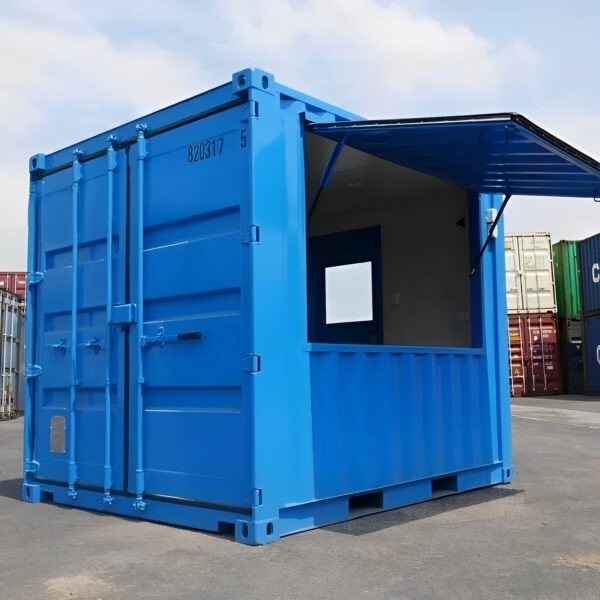
The Ultimate Guide to Starting a Shipping‑Container Store
If you’ve ever walked past a sleek metal box on a city street and thought, “That could be a cool shop,” you’re not alone. Shipping containers have moved far beyond the dockyard and are now the hottest real‑estate trend for entrepreneurs who crave speed, affordability, and a bold aesthetic. In this friendly, step‑by‑step guide you’ll discover how to turn a simple cargo box into a thriving retail space, from picking the right container to designing the interior, handling permits, and marketing your new “shipping‑container store.”
1. Why Choose a Shipping Container for Your Store?
| Benefit | What It Means for You | Example |
|---|---|---|
| Speed of Construction | You can have a functional shop up in weeks, not months. | A pop‑up coffee shop built in 3 weeks. |
| Cost‑Effectiveness | A used 20‑ft container can cost $2,000‑$3,500, far less than a brick‑and‑mortar lease. | A boutique clothing store saved 45 % on start‑up costs. |
| Mobility | Relocate the whole shop if the lease ends or you want a new location. | A traveling art gallery moving between festivals. |
| Durability | Made of Corten steel, containers resist weather, fire, and vandalism. | A seaside souvenir shop that never rusts. |
| Eco‑Friendly | Upcycle a container and reduce construction waste. | A zero‑waste store that markets its green footprint. |
| Unique Aesthetic | The industrial look attracts Instagram‑savvy shoppers. | A trendy nail salon with a polished metal façade. |
You’ll love the blend of practicality and personality that a shipping‑container store offers. It’s a perfect fit for pop‑ups, food trucks, micro‑retail, and even permanent storefronts.
2. Picking the Right Container
2.1 Size Matters
| Container Size | Inside Dimensions (L × W × H) | Typical Floor Space | Ideal Uses |
|---|---|---|---|
| 20‑ft Standard | 19′ 4″ × 7’ 9″ × 8′ 6″ | ~140 sq ft | Small cafés, boutique shops, kiosks |
| 40‑ft Standard | 39′ 5″ × 7’ 9″ × 8′ 6″ | ~280 sq ft | Larger retailers, co‑working pods, mini‑gyms |
| 40‑ft High‑Cube | 39’ × 7’ 9″ × 9’ 6″ | ~280 sq ft (taller) | Pop‑up galleries, micro‑warehouses, yoga studios |
| 45‑ft High‑Cube | 44’ × 8’ × 9’ 6″ | ~350 sq ft | Full‑scale concept stores, small restaurants |
Pro tip: If you anticipate adding a mezzanine or loft, start with a high‑cube model for the extra headroom.
2.2 New vs. Used
| Condition | Price Range (USD) | Pros | Cons |
|---|---|---|---|
| New (One‑Owner) | $4,500‑$6,500 | Pristine condition, warranty, no rust | Higher upfront cost |
| Used (1–3 yrs) | $2,500‑$4,000 | Budget‑friendly, quickly available | Possible dents, need inspection |
| Refurbished | $3,000‑$5,500 | Cleaned, painted, sometimes insulated | Variable quality, check contractor |
Ask the seller for a Container Condition Report that lists any structural repairs, corrosion, and certification (e.g., CSC – Convention on Safety of Life at Sea).
3. From Box to Boutique: The Conversion Process
- Site Selection & Permits
- Verify zoning allows “Accessory Use” or “Retail.”
- Obtain a Building Permit for modifications (doors, windows, electrical).
- Check setbacks, fire codes, and accessibility (ADA) requirements.
- Design & Layout
- Sketch a floor plan: Entrance, Display Zones, Back‑Office, Restrooms (if needed).
- Use modular furniture to keep the interior flexible.
- Consider a Mezzanine (if ceiling height permits) for storage or an office nook.
- Insulation & Climate Control
- Spray‑Foam Insulation (R‑value 20–30) is popular for its airtight seal.
- Install a mini‑split HVAC system for year‑round comfort.
- Electrical & Lighting
- Run a dedicated circuit (usually 30 A for small stores).
- Use LED track lighting to highlight merchandise and reduce energy bills.
- Plumbing (if needed)
- For cafés or restrooms, embed a PVC water line and a compact tankless water heater.
- Exterior Finish
- Powder‑coat paint adds a splash of color and protects against rust.
- Add branding decals, large windows, or a roll‑up door for an inviting façade.
- Interior Finishes
- Apply exposed‑brick panels, reclaimed wood shelving, or polished concrete flooring to complement the industrial vibe.
- Safety & Security
- Install a fire extinguisher, smoke detectors, and a security alarm system.
- Reinforce doors with a deadbolt and consider a biometric lock for staff-only areas.
Checklist: Conversion Must‑Dos
- Obtain all required permits before construction.
- Conduct a structural inspection (welds, floor joists).
- Choose an insulated, energy‑efficient HVAC system.
- Plan for ADA compliance (ramps, door widths).
- Budget for interior décor that matches your brand identity.
4. Budgeting Your Shipping‑Container Store
| Expense Category | Estimated Cost (USD) | Tips to Save |
|---|---|---|
| Container Purchase | $2,500‑$6,500 | Buy in bulk, negotiate with dealers. |
| Site Lease / Land | $500‑$2,000/month | Look for underused lots, pop‑up agreements. |
| Permits & Fees | $300‑$1,200 | Bundle permits, use local permit assistance services. |
| Insulation & HVAC | $1,500‑$3,500 | Choose energy‑star rated units; DIY spray foam (if skilled). |
| Electrical & Plumbing | $1,200‑$2,800 | Hire licensed electricians; modular plumbing kits. |
| Interior Build‑out | $2,000‑$5,000 | Reuse reclaimed materials, opt for flat‑pack furniture. |
| Exterior Branding | $800‑$2,500 | DIY graphics; partner with local artists. |
| Marketing Launch | $500‑$1,500 | Leverage social media, local influencer partnerships. |
| Total (First‑Year) | $10,000‑$25,000 | — |
Note: These figures are averages in the U.S. market (2024). Prices vary by region and scope.
5. Marketing Your New Container Store
- Instagram‑First Aesthetic: Use the container’s raw metal as a backdrop for vibrant product shots.
- Local Partnerships: Team up with nearby cafés or gyms for cross‑promotions.
- Pop‑Up Events: Host a “Launch Weekend” with free samples, live music, or a DIY workshop.
- SEO & Google My Business: Register your address, hours, and photos—customers searching “shops near me” will see you instantly.
- Referral Program: Offer a 10 % discount to customers who bring a friend.
6. Real‑World Success Stories
| Business | Container Size | Niche | How They Leveraged the Container |
|---|---|---|---|
| Bean & Barrel | 20‑ft | Specialty Coffee | Installed a high‑efficiency espresso bar, used the metal roof for a tiny patio. |
| Eco‑Threads | 40‑ft High‑Cube | Sustainable Fashion | Added a mezzanine for inventory, painted the exterior with reclaimed wood accents. |
| Urban Canvas | 45‑ft | Art Gallery | Cut large windows on each side, turned the container into a traveling exhibition space. |
| Fit‑Box | 40‑ft | Micro‑Gym | Built a mirrored wall and installed wall‑mounted kettlebells; the compact space encourages quick workouts. |
Each of these businesses reduced startup costs by > 40 % while building a distinctive brand identity.
7. Frequently Asked Questions (FAQ)
Q1: Do I need a special license to operate a shipping‑container store?
A: No specific “container” license exists. You must obtain the usual business license for your industry and any permits required for building modifications and health codes (if selling food).
Q2: How long does it take to convert a container into a retail space?
A: With a clear plan and a reliable contractor, a standard 20‑ft container can be ready in 4–6 weeks. Larger, high‑cube models may take 6–8 weeks, especially if you add a mezzanine.
Q3: Are containers safe in earthquakes or severe weather?
A: Yes. Steel containers are engineered to withstand high winds and seismic forces. Proper anchoring (concrete footings or steel brackets) further secures the structure.
Q4: Can I expand my store later?
A: Absolutely. You can stack containers (vertical expansion) or side‑by‑side to create a larger footprint. Many owners start with one unit and add more as the business grows.
Q5: What are the best insulation options?
A: Spray‑foam (closed‑cell) offers the highest R‑value and also acts as a moisture barrier. For a DIY approach, rigid foam panels combined with reflective foil can work well.
Q6: How do I handle waste and recycling for my container store?
A: Install separate bins for recyclables and landfill waste at the back office. If you serve food, partner with a local composting service.
Q7: Is a shipping‑container store considered a “mobile” business?
A: It can be, but once you anchor it to a permanent foundation, it’s classified as a fixed structure. If you intend to move the unit periodically, ensure the lease permits “temporary structure” usage.
Q8: Are there financing options specific to container purchases?
A: Some lenders offer equipment financing that includes containers, or you can use a Small Business Administration (SBA) loan with the container as collateral.
Q9: How do I ensure my store meets ADA accessibility standards?
A: Provide a ramp with a 1:12 slope, install doors at least 32‑inches wide, and keep aisles clear of obstructions. Consult your local building department for exact measurements.
Q10: Can I brand the exterior with my own logo?
A: Yes! Most owners use vinyl wraps, powder‑coat paint, or laser‑etched metal plates. Choose a durable, UV‑resistant material to keep colors vibrant.
8. Your First 30‑Day Action Plan
| Day | Task | Why It Matters |
|---|---|---|
| 1‑3 | Research local zoning and contact the city planning office. | Avoid costly permit re‑applications. |
| 4‑7 | Select a container dealer and request a condition report. | Guarantees structural integrity. |
| 8‑10 | Secure a site (lease or purchase). | Locks in location before competitors move in. |
| 11‑14 | Finalize design with a CAD sketch or a simple floor plan. | Guides contractors and helps visualize flow. |
| 15‑20 | Apply for permits (building, electrical, plumbing). | Starts the legal process early. |
| 21‑25 | Hire contractors for insulation, HVAC, and interior build‑out. | Professional work speeds up completion. |
| 26‑28 | Order branding materials (paint, decals, signage). | Creates a cohesive brand look. |
| 29‑30 | Soft‑open & collect feedback from friends and family. | Fine‑tunes the customer experience before grand opening. |
Follow this timeline and you’ll be well on your way to launching a spectacular shipping‑container store in less than a month.
9. Final Thoughts
You’ve just unlocked a world where a single metal box can become a vibrant hub for community, commerce, and creativity. The beauty of a shipping‑container store lies in its flexibility—you can start small, scale fast, and keep overhead low while delivering a memorable shopping experience.
Remember: Plan wisely, stay compliant, and let the container’s industrial charm shine through your brand story. When you open those doors (or roll‑up shutters) for the first time, you’ll see that a simple container can hold not just goods, but possibility.
Ready to roll? Grab a coffee, sketch that layout, and turn the next shipping container on your block into a destination shoppers can’t resist.
Happy building!