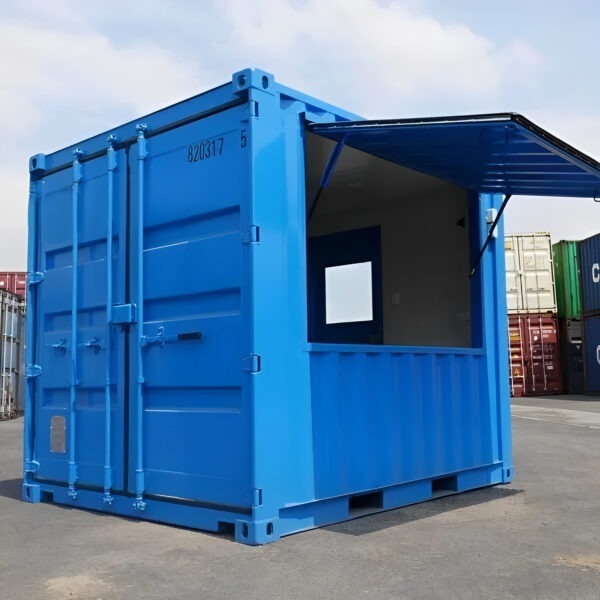
Site Container Hire: Your Complete Guide to Choosing, Using, and Managing On‑Site Storage
If you’re managing a construction site, a renovation project, or even a large event, you’ve probably already felt the pinch of limited storage space. The answer most site managers turn to is site container hire – a flexible, secure and cost‑effective way to keep tools, materials, and paperwork out of the way (and out of the weather).
In this post we’ll walk you through everything you need to know, from the different types of containers available to pricing structures, safety tips, and a handy FAQ. By the end, you’ll be ready to make an informed decision that saves you time, money, and headaches.
1. Why Hire a Container Instead of Buying One?
| Buy | Hire |
|---|---|
| Large upfront capital expense | Small, predictable monthly fee |
| You’re responsible for maintenance, insurance, and eventual disposal | Maintenance and servicing are handled by the supplier |
| Limited flexibility – you keep the same size for the whole project | Swap sizes or add more units as the project evolves |
| Asset sits idle after the project finishes | Return the container and free up space and cash flow |
Bottom line: Hiring lets you treat storage as a service, not a long‑term asset. That’s the kind of flexibility construction managers love.
2. Types of Containers You Can Hire
| Container Type | Typical Size (ft.) | Best For |
|---|---|---|
| Standard Dry Box | 10’, 20’, 40’ | Tools, building materials, paperwork |
| Ventilated Box | 10’, 20’ | Paint, chemicals, items needing airflow |
| Refrigerated (Cold) Box | 10’, 20’ | Perishables, temperature‑sensitive materials |
| Open‑Top Box | 20’, 40’ | Large equipment, waste, bulky items |
| Portable Office | 12’ x 12’ x 9’ | Site offices, meeting rooms, break areas |
| Heavy‑Duty Container (HDC) | 20’, 40’ | Heavy machinery, steel beams, pallets of concrete bags |
Tip: Most hire companies will let you mix and match—maybe a dry box for tools, a ventilated box for paint, and a portable office for your site manager.
3. How to Choose the Right Size
When you first think “I need a container,” it’s easy to default to the biggest one you see on the road. But oversizing can inflate your budget unnecessarily. Follow this quick checklist:
- Take inventory – List every item you plan to store, noting dimensions and weight.
- Estimate volume – Add up the cubic feet (or meters) of all items.
- Allow breathing room – Add 10‑15 % extra space for future deliveries and easy access.
- Consider layout – If you need to store long items (e.g., timber), you may need a 40‑ft container even if the volume isn’t huge.
- Factor in safety & access – You’ll need clearance around the container for forklift or pallet jack maneuvering.
Pro tip: Create a simple spreadsheet with columns for Item, Length, Width, Height, and Quantity. Multiply to get volume, then sum it up. This visual aid makes the right size obvious.
4. Cost Factors – What Determines Your Monthly Rate?
| Factor | How It Affects Price |
|---|---|
| Container size | Larger containers cost more per month (e.g., a 40‑ft dry box can be 30‑50 % pricier than a 20‑ft). |
| Rental duration | Longer contracts often attract discounts (e.g., 12‑month hire may shave 10 % off the monthly rate). |
| Location & delivery distance | Remote sites may incur extra haulage fees. |
| Special features | Ventilation, refrigeration, or reinforced flooring add surcharges. |
| Insurance & security | Some suppliers bundle insurance; others charge per‑incident fees. |
| Maintenance plan | Full‑service hire (cleaning, repairs) is higher but removes admin hassle. |
Sample Pricing Table (UK market, 2025)
| Container | Size | Monthly Hire (incl. delivery) | 12‑Month Discount* |
|---|---|---|---|
| Dry Box | 10 ft | £110 | 5 % |
| Dry Box | 20 ft | £175 | 7 % |
| Dry Box | 40 ft | £290 | 10 % |
| Ventilated Box | 20 ft | £200 | 7 % |
| Refrigerated Box | 10 ft | £280 | 8 % |
| Portable Office | 12 × 12 × 9 ft | £340 | 10 % |
| HDC | 20 ft | £310 | 9 % |
Discount varies by supplier and is applied to the total contract value.
5. Safety & Security – Keeping Your Materials Protected
| Safety Aspect | What You Should Do |
|---|---|
| Locking | Choose containers with robust, tamper‑proof padlocks (ISO‑rated). |
| Grounding | Ensure the container sits on a level, hard surface – preferably a concrete slab or compacted hardcore. |
| Ventilation | For chemicals or paints, use ventilated models and store them away from direct sunlight. |
| Fire safety | Keep a fire‑extinguishing blanket or CO₂ extinguisher nearby; check the container’s fire‑rating if storing flammables. |
| Access control | Limit key copies to essential personnel; maintain a sign‑in sheet for deliveries. |
| Inspection | Conduct a weekly visual check for dents, rust, or broken seals – report any issues to the hire company promptly. |
Remember: Many hire contracts include a “maintenance call‑out” – use it! Prompt repairs prevent larger safety concerns down the line.
6. Managing Your Hire – Tips for a Smooth Experience
| Task | Best Practice |
|---|---|
| Ordering | Book at least 2‑3 weeks before you need the container; this gives the supplier time to allocate a unit and arrange delivery. |
| Delivery | Confirm site access routes, ground conditions and any overhead obstacles (e.g., low bridges). |
| Placement | Position the container with the door facing away from prevailing winds to keep dust out. |
| Cleaning | Schedule regular interior cleaning, especially when switching from one material type to another (e.g., paint to timber). |
| Return | Provide 48‑hour notice before the end of the contract; schedule a final inspection with the provider to avoid extra cleaning fees. |
| Documentation | Keep all invoices, rental agreements, and delivery receipts in a dedicated folder (digital or physical) for quick reference during audits. |
7. Frequently Asked Questions (FAQ)
Q1: How long can I keep a container?
A: Most hire companies offer flexible terms from a single month up to 24 months. The longer the term, the better the discount you’ll receive.
Q2: Do I need to insure the container?
A: The hire fee usually includes basic third‑party liability, but you may want additional coverage for high‑value contents. Check with your own contractor’s liability insurer or ask the hire company for a “contents insurance add‑on.”
Q3: What happens if the container is damaged during the hire?
A: Most contracts include a “fair wear and tear” clause. If the damage exceeds normal use, you’ll be billed for repair or replacement. Document any incidents with photos and a written report to avoid disputes.
Q4: Can I swap container sizes mid‑project?
A: Absolutely! Most providers will arrange a swap with a short notice period (often 48 hours) for a nominal fee.
Q5: Are there any environmental considerations?
A: Yes. Choose suppliers that recycle or refurbish containers at the end of their life cycle. Some companies also offer “green” options, such as solar‑powered lighting on portable offices.
Q6: How do I ensure the container meets health and safety regulations?
A: Verify that the container complies with the Construction (Design and Management) Regulations (CDM 2024) and that any special storage (e.g., hazardous materials) meets the Control of Substances Hazardous to Health (COSHH) requirements.
8. Quick‑Start Checklist – Get Your Container in Three Simple Steps
- Assess & Size – List items, calculate volume, pick appropriate container type and size.
- Quote & Book – Request at least three quotes, compare price tables, lock in a contract with delivery date.
- Set Up & Maintain – Position on level ground, install locks, schedule regular cleaning and safety inspections.
Print this checklist and stick it on your site board — it’s a great visual reminder for the whole crew.
9. Final Thoughts
Site container hire may feel like another line item on an already crowded budget, but when you break it down, the benefits are crystal clear: cost‑control, flexibility, and security. By understanding the different container types, sizing them accurately, and partnering with a reputable hire firm, you’ll free up valuable site space, protect your assets, and keep your project moving smoothly.
Next time you’re juggling deliveries, tools, and paperwork, give yourself the peace of mind that comes with a dedicated, well‑managed storage solution. Happy building!