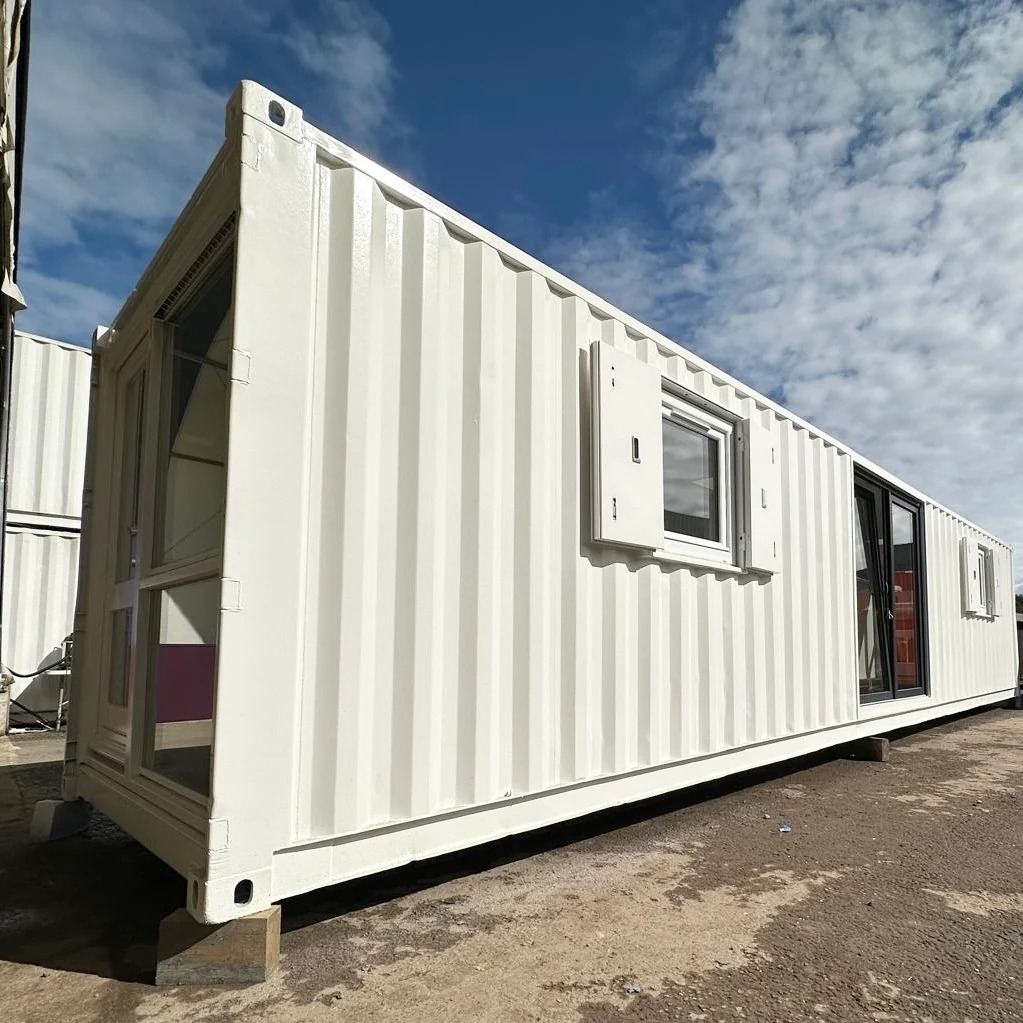
The Ultimate Guide to Choosing the Right Container Size for Your Needs
Hey there! If you’ve ever found yourself staring at a stack of boxes, a shipping container, or a pantry full of jars and wondered “Which size should I pick?” you’re in the right spot. In this friendly, step‑by‑step guide we’ll walk you through everything you need to know about container sizes—whether you’re moving house, shipping products across the globe, or simply organizing your kitchen. Grab a coffee, settle in, and let’s get sized up!
1. Why Container Size Matters
Choosing the right size isn’t just about fitting more stuff inside. It impacts:
| Benefit | What It Means for You |
|---|---|
| Cost Efficiency | Larger containers often have a lower cost‑per‑cubic‑foot, but you might pay for unused space. |
| Safety & Handling | Over‑loading a small container can damage goods or cause accidents. |
| Logistics Simplicity | The right size reduces the number of trips, paperwork, and handling steps. |
| Space Optimization | Proper sizing means you can stack, organize, or store items without waste. |
In short, the “just right” container saves you money, time, and headaches.
2. The Most Common Container Types (and Their Dimensions)
Below is the quick‑reference table most people start with when they think “container”. We’ll focus on standard intermodal shipping containers—the steel boxes that travel by ship, train, and truck worldwide.
| Container Type | External Length | External Width | External Height | Internal Volume | Typical Use Cases |
|---|---|---|---|---|---|
| 20‑foot Standard (20′) | 20 ft (6.06 m) | 8 ft (2.44 m) | 8 ft 6 in (2.59 m) | 1,170 cu ft (33.1 m³) | Small shipments, pallets, household moves |
| 40‑foot Standard (40′) | 40 ft (12.19 m) | 8 ft (2.44 m) | 8 ft 6 in (2.59 m) | 2,390 cu ft (67.7 m³) | Larger freight, bulk goods, multiple pallets |
| 40‑foot High Cube (40′ HC) | 40 ft (12.19 m) | 8 ft (2.44 m) | 9 ft 6 in (2.90 m) | 2,700 cu ft (76.5 m³) | Light but voluminous cargo (e.g., furniture, textiles) |
| 45‑foot High Cube (45′ HC) | 45 ft (13.72 m) | 8 ft (2.44 m) | 9 ft 6 in (2.90 m) | 3,040 cu ft (86.1 m³) | Oversized pallets, high‑value machinery |
| Reefer (Refrigerated) 40′ | 40 ft (12.19 m) | 8 ft (2.44 m) | 8 ft 6 in (2.59 m) | ~2,200 cu ft (62 m³) | Perishables, pharmaceuticals |
| Open‑Top 40′ | 40 ft (12.19 m) | 8 ft (2.44 m) | 8 ft 6 in (2.59 m) | 2,300 cu ft (65 m³) | Bulk commodities like minerals, timber |
Quick tip: If you’re unsure whether a container’s inside dimensions will fit your cargo, always subtract about 2‑3 in (5‑8 cm) from each side to account for loading gaps and internal fittings.
3. How to Pick the Perfect Size for Your Project
Below is a 5‑step checklist that will walk you through the decision‑making process. Feel free to print it out and keep it handy.
Step 1 – List Your Items & Their Dimensions
- Create a spreadsheet with length, width, height, and weight for each item.
- Group items that will stay together (e.g., a set of kitchen appliances).
Step 2 – Calculate Total Volume
Use this simple formula:
[ \text{Total Volume (cu ft)} = \sum \frac{L \times W \times H}{1728} ]
(where L, W, H are in inches).
Pro tip: Add a 10‑15 % buffer for “air space”—nothing packs perfectly.
Step 3 – Consider Weight Limits
Most containers have a Maximum Gross Weight (MGW), typically 58,000 lb (26,300 kg) for a 40‑ft unit. Subtract the container’s tare weight (≈ 8,000 lb) to get the payload capacity.
| Container | Payload Capacity |
|---|---|
| 20′ Standard | ≈ 48,000 lb |
| 40′ Standard | ≈ 59,000 lb |
| 40′ High Cube | ≈ 59,000 lb |
| 45′ High Cube | ≈ 62,000 lb |
If your cargo is heavy but not bulky, you may need a smaller container to stay within weight limits.
Step 4 – Choose the Right Type (Standard vs. High Cube vs. Reefer)
- Standard – Best for dense, heavy loads.
- High Cube – Extra 1 ft of height, perfect for voluminous but lighter goods.
- Reefer – Needed for temperature‑sensitive items (keep it under 5 °C or above 20 °C, depending on the model).
Step 5 – Factor in Logistics & Costs
| Factor | What to Check | Impact on Size Choice |
|---|---|---|
| Transport Mode | Ship, rail, or truck? | Some ports only accept 20‑ft or 40‑ft units. |
| Destination Infrastructure | Doorway clearances, crane capacity | Oversized containers may need special permits. |
| Pricing Structure | Flat fee vs. volume‑based | Larger containers often lower per‑cubic‑foot cost, but you pay for the whole box. |
| Return & Storage | Will you keep the container after unloading? | If you need a reusable storage solution, a high‑cube may give you that extra headroom for future items. |
4. Real‑World Scenarios – Which Container Wins?
| Scenario | Recommended Size | Why It Fits |
|---|---|---|
| Moving a one‑bedroom apartment | 20‑ft Standard | Fits furniture, boxes, and a few mattresses while staying within weight limits. |
| Shipping 500 kg of fresh produce | 40‑ft Reefer (High Cube) | Temperature control preserves freshness; extra height accommodates pallets. |
| Exporting a turbine component (6 m long) | 45‑ft High Cube (or a custom “open‑top”) | Length exceeds 40 ft, and height gives room for the large cross‑section. |
| Storing seasonal décor for a boutique | 40‑ft High Cube (stationary) | Provides ample space for hanging items, and you can leave it on‑site for years. |
| Transporting 12 pallets of bricks (heavy) | 20‑ft Standard | Bricks are dense; a smaller container keeps you under the payload limit. |
5. Common Mistakes (and How to Avoid Them)
- Over‑estimating Volume – Adding items without measuring leads to surprise “out‑of‑space” charges. Solution: Measure everything before you book.
- Ignoring Weight Limits – A container may look empty, but heavy items can exceed the payload. Solution: Use a digital scale for bulk goods.
- Forgetting Doorway & Ramp Clearance – A high‑cube might not fit a standard loading dock. Solution: Verify dock dimensions with your carrier.
- Skipping Insurance – High‑value cargo deserves coverage no matter the size. Solution: Ask your freight forwarder about cargo insurance options.
- Choosing the Cheapest Option Without Considering Time – A smaller container may require extra trips, extending delivery time. Solution: Balance cost per trip vs. total project timeline.
6. Quick Reference Cheat Sheet (Printable)
| Size | Inside Length | Inside Width | Inside Height | Max Payload | Typical Use |
|---|---|---|---|---|---|
| 20′ Standard | 19 ft 4 in | 7 ft 9 in | 7 ft 10 in | 48 k lb | Small moves, heavy goods |
| 40′ Standard | 39 ft 5 in | 7 ft 9 in | 7 ft 10 in | 59 k lb | Full truckloads, pallets |
| 40′ High Cube | 39 ft 5 in | 7 ft 9 in | 8 ft 10 in | 59 k lb | Light, bulky items |
| 45′ High Cube | 44 ft 5 in | 7 ft 9 in | 8 ft 10 in | 62 k lb | Oversized pallets |
| 40′ Reefer | 38 ft 10 in | 7 ft 8 in | 7 ft 10 in | 58 k lb | Perishables |
| Open‑Top 40′ | 39 ft 5 in | 7 ft 9 in | 7 ft 10 in | 58 k lb | Bulk commodities |
Print and keep on your desk—no more guessing!
7. Frequently Asked Questions (FAQ)
Q1: Can I combine different sized containers in one shipment?
A: Absolutely! Many freight forwarders offer “container pooling,” where you can load a 20‑ft and a 40‑ft unit together on the same vessel. This is handy if you have a mix of heavy and voluminous goods.
Q2: What’s the difference between “external” and “internal” dimensions?
A: External dimensions include the steel walls and roof—these are used for loading onto ships and trucks. Internal dimensions represent the usable space for cargo. Always base your volume calculations on the internal numbers.
Q3: Do I need a special permit for a 45‑ft container?
A: In most major ports, a 45‑ft high‑cube is accepted without extra paperwork, but some inland routes (especially narrow roads or low bridges) may require an oversized‑load permit. Check with the carrier or local transport authority.
Q4: How do I protect fragile items inside a container?
A: Use corner protectors, palletized packaging, and foam-in-place cushioning. Additionally, label the container as “FRAGILE” on all sides and consider a shock‑absorbing pallet for extra safety.
Q5: Is it cheaper to rent a container long‑term for storage?
A: Generally, yes. Many container leasing companies offer discounted monthly rates for long‑term rentals (6 months+). Compare quarterly vs. monthly quotes to find the best deal.
Q6: Can I modify a container (e.g., add shelves or a door?)
A: Most suppliers allow custom modifications such as adding internal shelving, ventilation, or even windows. Be aware that modifications may affect the container’s structural integrity and could require certification.
Q7: What happens if my cargo exceeds the weight limit?
A: The carrier may refuse loading or charge overweight fees. In extreme cases, the container may need a second truck for redistribution. Always stay within payload limits to avoid delays.
Q8: Do I need to clean a container before loading my goods?
A: For most shipments, a pre‑use inspection is sufficient. However, if you’re loading food, chemicals, or sensitive electronics, request a deep clean and certification of a “clean container”.
8. Final Thoughts – Your Size‑Smart Path Forward
Choosing the right container size is more than a numbers game; it’s about matching your specific needs with the most efficient, cost‑effective solution out there. Keep these key takeaways in mind:
- Measure everything – Accurate dimensions prevent costly surprises.
- Calculate volume and weight – Both matter, and the heavier of the two will dictate your choice.
- Match the container type to the cargo (standard vs. high‑cube vs. reefer).
- Check logistics (doorways, permits, port restrictions) before you book.
- Don’t forget insurance and proper packing—they protect your investment regardless of container size.
When you follow this roadmap, you’ll confidently pick the perfect container—whether you’re shipping a single sofa across the ocean or simply storing your holiday décor for the next season.
Ready to size up? Grab your tape measure, fire up a spreadsheet, and start planning. The ideal container is just a few clicks away, and your next successful move, shipment, or storage project is already on its way. Happy loading!