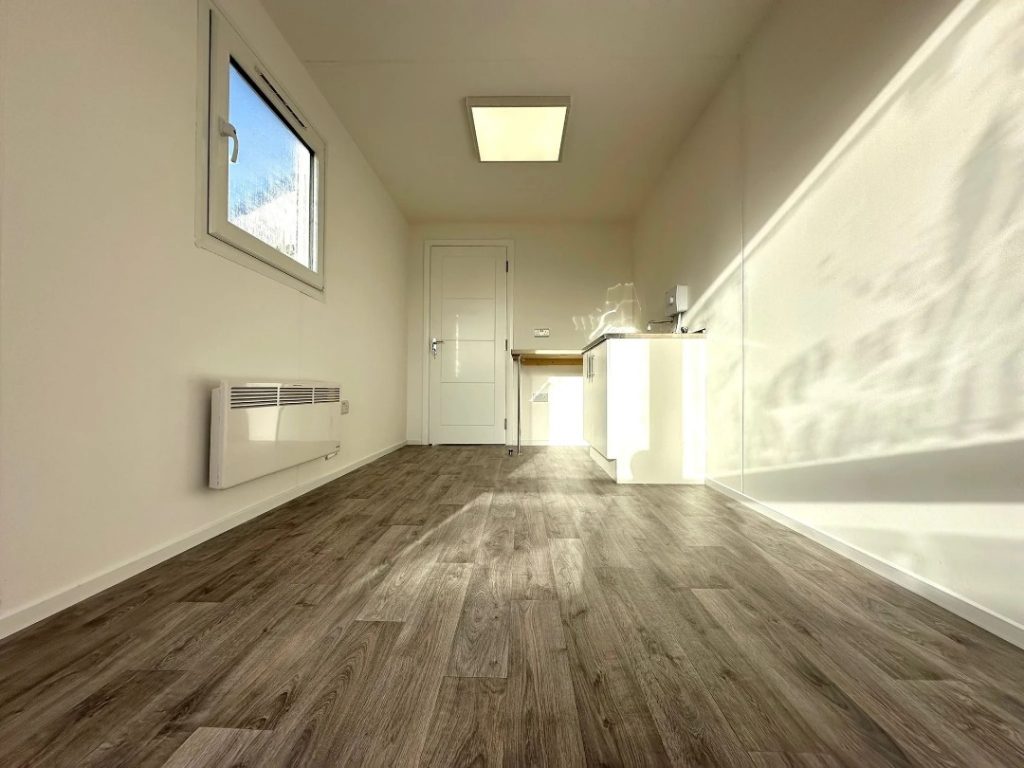
The Ultimate Guide to Steel Storage Containers: What You Need to Know Before You Buy
You’re looking for a rugged, secure, and versatile storage solution—maybe for a construction site, a farm, a small business, or even your own backyard workshop. Steel storage containers have become the go‑to answer for anyone who needs durability without the hassle of building a permanent structure. In this friendly, step‑by‑step guide, we’ll walk you through everything you should consider, from sizes and features to maintenance tips and cost‑saving tricks. Ready? Let’s dive in!
1. Why Steel? The Core Benefits You’ll Love
| Benefit | What It Means for You | Real‑World Example |
|---|---|---|
| Extreme Durability | 100 % corrosion‑resistant steel (often Corten or galvanized) can withstand rain, snow, wind, and even minor impacts. | A contractor’s site in the Pacific Northwest keeps his tool inventory dry year‑round. |
| High Security | Heavy‑duty lock systems, reinforced doors, and tamper‑proof hinges keep theft at bay. | A small retail store uses steel containers to store high‑value inventory after hours. |
| Low Maintenance | No need for painting, sealing, or regular repairs—just a quick wash now and then. | A farmer washes the exterior after a mud‑splattered harvest. |
| Portability | Most containers can be lifted by a standard forklift or crane, making relocation a breeze. | A pop‑up event company moves containers between venues in a single day. |
| Modular Flexibility | Stackable or side‑by‑side, you can create a custom “mini‑warehouse.” | A startup links three 40‑ft containers to create a 120‑ft storage hallway. |
If any of those points hit a sweet spot for you, steel storage containers are probably the right direction.
2. Types of Steel Storage Containers
Before you start measuring your backyard, it helps to know the main categories on the market:
| Type | Typical Dimensions (L × W × H) | Best For | Notable Features |
|---|---|---|---|
| Standard ISO 6‑Foot (20 ft) | 20 ft × 8 ft × 8.5 ft | Small‑scale inventory, workshop tools | Easy to transport, widely available |
| ISO 8‑Foot (40 ft) | 40 ft × 8 ft × 8.5 ft | Large stockrooms, vehicle storage | Double the floor space, same width |
| High‑Cube (9 ft tall) | 20 ft × 8 ft × 9.5 ft or 40 ft × 8 ft × 9.5 ft | Bulk items, tall equipment | Extra 1 ft of vertical space |
| Open‑Top (with removable canvas) | Same as standard but without a permanent roof | Heavy machinery, pallets that need crane access | Quick loading/unloading |
| Ventilated “Cool‑Side” | Variable, often 20‑ft | Produce, chemicals, or any goods needing airflow | Built‑in vents, optional insulated panels |
| Custom‑Built (doors, windows, shelving) | Tailored to your specs | Offices, retail pop‑ups, medical storage | Interior fittings, extra security options |
Take a moment to think about what you’ll store. If you need height for pallets, a high‑cube model is a win. If you’ll be loading oversized equipment, an open‑top could save you a lot of time.
3. How to Pick the Perfect Size
- Measure Your Inventory – Write down the longest, widest, and tallest items you’ll keep inside.
- Add a “wiggle” factor – Give yourself an extra 10–15 % of space for future growth.
- Consider Access – Door opening width matters; a 40‑ft container typically has a 7.5‑ft door, but you can order a 10‑ft roll‑up door for larger forklifts.
- Think Stacking – If you plan to stack containers, make sure the foundation can support the combined weight (a 20‑ft container weighs ~5,000 lb empty).
Quick Size‑Selection Cheat Sheet
| Inventory Volume | Recommended Container | Reason |
|---|---|---|
| Up to 10 pallets (standard 48 in × 40 in) | One 20‑ft container | Holds ~10 pallets comfortably |
| 20–30 pallets | One 40‑ft container | Doubles floor area, same width |
| Tall equipment (e.g., generators, ladders) | High‑cube 20‑ft or 40‑ft | Extra vertical space |
| Mixed small parts + tools | 20‑ft + interior shelving | Efficient organization |
4. Features That Can Make or Break Your Experience
Below is a checklist you can copy‑paste into a notes app. Tick the boxes that matter to you:
- Locking System – Padlock, cam lock, or smart keypad?
- Ventilation – Passive vents, powered fans, or evaporative cooling?
- Insulation – None (standard), partial, or full‑foam for temperature‑sensitive goods.
- Flooring – Plain steel, epoxy‑coated, or built‑in racking.
- Exterior Color – Standard corrugated grey, custom paint, or reflective coating for heat reduction.
- Power Access – Pre‑wired conduit for lighting or HVAC.
- Windows/Skylights – For natural light or visual inventory checks.
5. Customization: Turning a Plain Box into a Tailor‑Made Workspace
You don’t have to settle for a bare metal box. Many suppliers offer a la carte upgrades:
| Custom Option | Cost Impact* | Ideal Use‑Case |
|---|---|---|
| Internal Shelving | + $500–$1,200 | Organizing small parts, tools |
| Office Partition (glass/metal) | + $1,500–$3,000 | On‑site office, showroom |
| Solar‑Powered LED Lighting | + $800–$1,500 | Night‑time access, sustainability |
| Integrated Generator Hook‑up | + $1,200–$2,500 | Remote locations without grid |
| Security Cameras | + $300–$900 per camera | High‑value inventory |
*Cost impact varies by region and supplier; the figures are average U.S. estimates.
Pro tip: Ask for a “bundle discount” if you’re ordering multiple upgrades at once. Suppliers love to close the deal with a sweetened package.
6. Maintenance Made Simple
Keeping a steel container in prime condition doesn’t require a full‑time janitor. Follow these easy steps:
- Exterior Rinse – Use a garden hose or pressure washer (≤ 2,000 psi) to remove dust and bird droppings every 3–6 months.
- Inspect Door Seals – Look for cracked gaskets or rusted hinges; replace them promptly.
- Check for Dents – Small dents are cosmetic, but deep dents can compromise structural integrity. Report them to the supplier for repair.
- Lubricate Locks – Apply a silicone‑based spray to hinges and lock mechanisms twice a year.
- Vent Clearance – Ensure vents are not blocked by debris; clean them with a soft brush.
A quick 10‑minute visual check each month can save you thousands in unexpected repairs.
7. Budgeting: How Much Should You Expect to Spend?
| Container Size | Base Price (New, Standard) | Typical Add‑Ons | Approx. Total Cost |
|---|---|---|---|
| 20‑ft Standard | $2,500–$3,500 | Lock, basic flooring | $3,000–$4,200 |
| 40‑ft Standard | $3,800–$5,000 | Shelving, upgraded lock | $4,500–$6,500 |
| 20‑ft High‑Cube | $3,000–$4,200 | Insulation, ventilation | $4,200–$5,800 |
| 40‑ft High‑Cube | $5,000–$6,500 | Office partition, solar lighting | $7,000–$9,500 |
| Custom Build | Starts at $7,000 | Varies widely | $10,000+ |
Shipping and taxes are not included. Prices fluctuate with steel market rates, so lock in a quote early if you spot a good deal.
Money‑Saving Hacks
- Buy Used/Refurbished – Certified pre‑owned containers can be 30‑45 % cheaper and still meet ISO standards.
- Bulk Order – If you need two or more containers, request a volume discount.
- Seasonal Promotions – Many manufacturers offer end‑of‑year clearance sales.
8. Real‑World Success Stories (Quick Inspiration)
| Business | Container Use | Outcome |
|---|---|---|
| Smith Construction | 3 × 40‑ft high‑cube containers as on‑site storage | Reduced material loss by 78 % and cut rental costs by $12k/year |
| Green Farm Co‑op | 2 × 20‑ft ventilated containers for seasonal produce | Extended shelf life by 5 days, earning $4k extra per harvest |
| Tech Startup “BoxLab” | 1 × custom office‑partition container as a pop‑up demo space | Attracted 1,200 visitors at a trade show, leading to $250k in pre‑orders |
Feel the possibilities? A steel container can be far more than just a box; it can become a pivotal part of your workflow.
9. Frequently Asked Questions (FAQ)
Q1: Do steel storage containers need a foundation?
Yes. While the container’s weight provides some stability, a level, compacted gravel pad or concrete slab (minimum 4‑in thick) prevents moisture wicking and ensures proper load distribution.
Q2: Can I insulate a standard container myself?
Absolutely. DIY kits with foam board panels and reflective foil are available. However, for temperature‑sensitive goods, professional spray‑foam insulation yields the best R‑value.
Q3: How long does a steel container typically last?
30–50 years with proper maintenance. The steel’s corrosion resistance and the ISO design standards guarantee a long service life.
Q4: Are there any legal restrictions on placing a container on my property?
It varies by municipality. Check local zoning ordinances—some areas require a building permit, while others treat containers as “temporary structures.”
Q5: What’s the difference between Corten steel and Galvanized steel?
Corten develops a protective rust layer that doesn’t flake, giving a rustic look. Galvanized is coated with zinc for superior corrosion resistance, ideal for harsh, wet climates.
Q6: Can I stack containers on top of each other?
Yes, but only if the bottom container is designed for stacking (reinforced corners) and the ground can support the total weight. A typical 40‑ft container can safely bear another 40‑ft container on top.
Q7: How secure are the locks?
High‑security cam locks (rated ISO 9001) and key‑card or biometric systems are available. Pair the lock with a reinforced door frame for maximum protection.
Q8: Do containers come with warranties?
Most manufacturers offer a 1‑year limited warranty covering structural defects and paint finish. Extended warranties can be purchased for an additional fee.
Q9: Is it possible to attach a solar panel to the roof?
Definitely. Many suppliers provide pre‑drilled mounting points, and lightweight flexible solar sheets can be adhered without compromising structural integrity.
Q10: How do I transport a container to a remote site?
Hire a certified transport company with a low‑boy trailer. For remote locations lacking paved roads, a crane and flatbed truck can deliver the container in sections.
10. Your Next Steps – A Simple Action Plan
- List Your Requirements – Write down size, ventilation, security, and any custom features you need.
- Get Quotes – Contact at least three reputable suppliers (include both new and refurbished options).
- Inspect a Sample – If possible, visit a showroom or previous customer site to see the container up close.
- Check Local Regulations – Confirm you have the necessary permits or HOA approvals.
- Place Your Order – Lock in price, schedule delivery, and arrange for a solid foundation.
- Set Up & Enjoy – Install any interior fittings, run a quick maintenance check, and start using your new steel storage solution!
Final Thought
A steel storage container is more than a metal box; it’s a flexible, secure, and long‑lasting asset that can adapt as your needs evolve. By taking the time to assess size, features, and budget—and by staying on top of simple maintenance—you’ll be investing in a solution that protects your valuables for decades to come.
Ready to transform that cluttered corner into a tidy, professional storage space? Grab a pen, jot down what you need, and let the steel container revolution begin!
Happy storing!