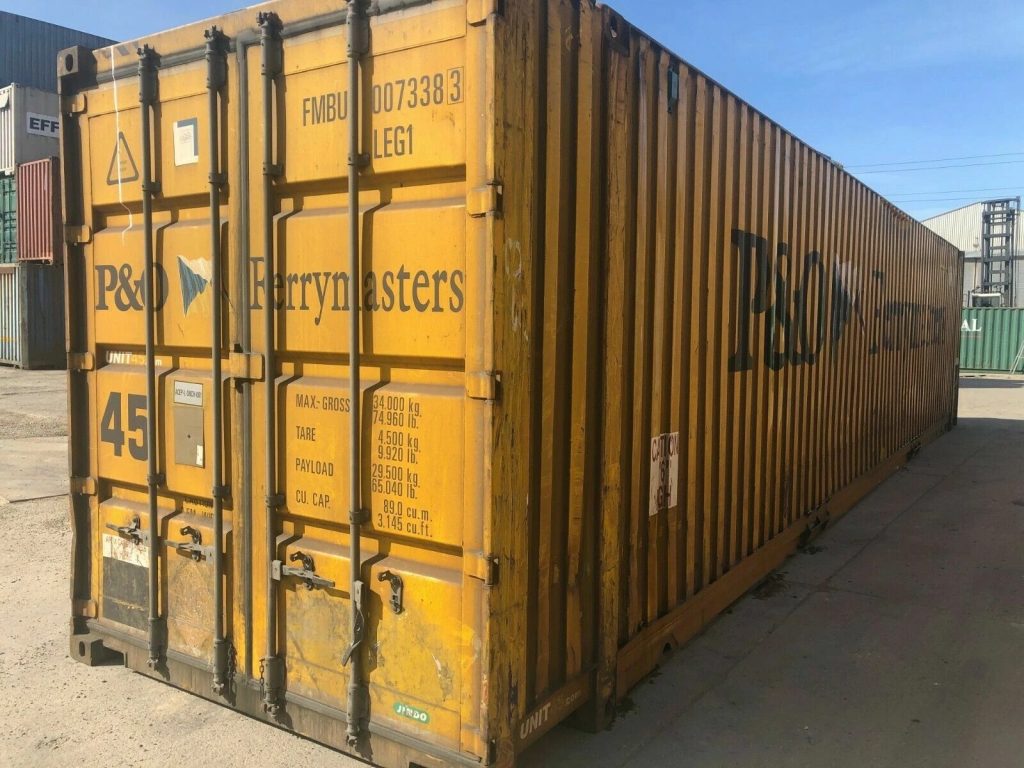
Want to Own a 20‑Foot Shipping Container? Here’s Your Complete Guide
If you’ve ever walked past a stack of blue steel boxes on a dock and thought, “I could really use one of those,” you’re not alone. 20‑foot containers have become the go‑to “tiny house on wheels,” storage solution, and even a pop‑up shop. In this post you’ll learn exactly how to buy a 20‑foot container, what to look for, where to get the best price, and how to make sure the unit you bring home is safe, legal, and ready for whatever you have in mind.
Quick take‑away: Buying a 20‑foot container is a low‑maintenance investment that can pay off in storage savings, business flexibility, or even a creative living space—provided you do a little homework first.
1. Why a 20‑Foot Container Might Be Perfect for You
| Use‑Case | Approx. Interior Space | Typical Load Capacity | Ideal For |
|---|---|---|---|
| Home Storage | 117 cu ft (≈3.3 m³) | 2 500 kg (≈5 500 lb) | Seasonal gear, furniture, archives |
| Mini‑Warehouse | 117 cu ft | 2 500 kg | Small‑batch inventory, spare parts |
| Portable Office | 117 cu ft | 2 500 kg | Remote job sites, pop‑up events |
| DIY Tiny Home | 117 cu ft | 2 500 kg | Creative living, guest house |
| Mobile Shop/Restaurant | 117 cu ft | 2 500 kg | Food trucks, market stalls |
A 20‑foot (6 m) container gives you roughly 1,170 lb of floor space (12 sq ft × 8 ft) and a voluminous interior that’s surprisingly versatile. Because it’s standardized, you can fit it onto a trailer, a flatbed truck, or a crane‑lifted platform without special permits in most jurisdictions.
2. New vs. Used – Which Should You Choose?
| Feature | New Container | Used Container |
|---|---|---|
| Cost | $2,500‑$4,500 | $1,200‑$2,500 |
| Condition | Pristine, no dents, no rust | May have dents, rust spots, or previous modifications |
| Warranty | Usually 1‑year structural warranty | None (unless from a reputable refurbisher) |
| Customization | Easy to add doors, windows, insulation before delivery | May require extra prep work to fix damage |
| Delivery Time | 1‑3 weeks (factory to port) | 1‑2 weeks (stock inventory) |
| Best For | First‑time buyers who want hassle‑free setup | Budget‑conscious projects, resellers, DIY renovators |
Tip: If you’re planning a tiny‑home conversion, a lightly used container that’s been inspected and repainted can save you a few hundred dollars without compromising safety. For simple storage, a cheap used unit that needs a little sanding and a fresh coat of paint may be all you need.
3. How to Find a Reliable Seller
- Local Container Yards – Many ports have “container yards” that sell containers directly.
- Online Marketplaces – Websites such as eBay, Alibaba, ContainerAuction, and TruckPaper list both new and used units.
- Specialized Brokers – Companies like Triton International or SeaBox specialize in new‑build containers and can arrange delivery.
- Scrap/Salvage Yards – If you’re comfortable with a bit of refurbishing, scrap yards often have containers for a fraction of the price.
When you contact a seller, ask for the ISO 668 certification number (the global standard for container dimensions) and request:
- Recent photos of the exact unit (including doors, corners, and floor).
- A container inspection report (if used).
- Proof of ownership and that the container is not a “foreign-owned container” restricted from export.
4. Key Specs You Should Verify
| Spec | What to Check | Why It Matters |
|---|---|---|
| ISO Code (e.g., 20’GP) | Verify “GP” = General Purpose; “HC” = High Cube (extra 1‑ft height) | Determines interior volume |
| ** tare weight** | Usually 2,200‑2,400 lb | Affects payload and transport cost |
| Maximum Gross Weight (MGW) | 44,000 lb (standard) | Determines how much you can load |
| Condition | Look for dents, rust, water damage | Structural integrity |
| Doors & Locks | Functioning latches, seals | Security & weather protection |
| Ventilation | Presence of vents or need for modification | Prevents condensation, mold |
| Certifications | CSC (Container Safety Certificate) | Legal requirement for shipping / road transport in many countries |
5. The Buying Process – Step‑by‑Step
| Step | Action | Details |
|---|---|---|
| 1. Define Your Purpose | Write down what you’ll use the container for. | Storage? Tiny home? Mobile office? |
| 2. Set a Budget | Include purchase price, delivery, and any modifications. | Typical total: $3,000‑$7,000 (incl. delivery). |
| 3. Search & Shortlist Sellers | Use the sources listed above. | Aim for at least three quotes. |
| 4. Inspect & Verify | Request photos, inspection reports, and CSC. | If possible, see the container in person. |
| 5. Negotiate Price & Terms | Ask about discounts for bulk or cash payment. | Clarify who pays for loading/unloading. |
| 6. Arrange Delivery | Choose a transport method (truck, rail, ship). | Provide site access details (e.g., ground conditions). |
| 7. Receive & Inspect On‑Site | Check for damage during transit; sign off. | Keep the seller’s receipt and CSC copy. |
| 8. Modify (Optional) | Add insulation, windows, electrical, or paint. | Hire a certified container conversion company if needed. |
| 9. Register (If Required) | Some states/countries need a registration number for road use. | Check local DMV or transport authority. |
| 10. Enjoy Your New Asset! | Use it as planned, maintain it annually. | Clean, inspect doors, and keep a rust‑prevention routine. |
6. Common Pitfalls (And How to Avoid Them)
- Assuming “All 20‑Foot Containers Are the Same.”
Reality: A “high‑cube” container gives you an extra foot of height (9 ft vs. 8 ft). If you need more standing room, opt for HC. - Skipping the Inspection Report.
Reality: Hidden rust or structural cracks can cost you thousands in repairs. Always ask for a recent ISO 9001 inspection. - Overlooking Delivery Costs.
Reality: A 20‑foot container can weigh over 4 tons when loaded. Delivery fees can range from $300–$800 depending on distance. - Ignoring Local Zoning Laws.
Reality: Some municipalities restrict containers on residential property or require a permit for a “mobile structure.” Call your city planning office before you buy. - Not Planning for Ventilation.
Reality: Steel containers trap moisture; without vents, you’ll get condensation and mold. Add roof vents or side louvres early.
7. DIY Customization Ideas
- Insulation & Interior Finish – Spray foam or rigid board insulation plus OSB paneling makes it cozy for a tiny home.
- Solar Power – Mount a 300 W solar panel on the roof; connect to a battery bank for off‑grid electricity.
- Windows & Doors – Cut openings and install double‑glazed windows for natural light.
- Exterior Paint – Use a rust‑inhibiting primer + 2‑coat epoxy paint for durability.
- Locking System – Upgrade to a high‑security padlock or keypad entry for added safety.
Pro tip: If you’re not comfortable with cutting steel, hire a certified metal fabricator. Improper cuts can compromise the container’s structural integrity.
8. Cost Breakdown – Sample Budget
| Item | Price (USD) | Notes |
|---|---|---|
| 20‑foot new GP container | $3,200 | Standard, no extras |
| Delivery (50 mi) | $500 | Flat‑bed truck, includes lift‑gate |
| CSC renewal (if needed) | $150 | Required for transport |
| Basic insulation & interior panels | $800 | DIY kits available |
| Paint & sealant | $250 | Two‑coat epoxy, rust‑proof |
| Optional: Solar kit (300 W) | $1,200 | Includes panels, inverter, batteries |
| Total (approx.) | $6,200 | Varies by location & customization |
If you opt for a used container and handle the paint and insulation yourself, you could bring the whole project under $4,000.
9. Frequently Asked Questions
Q1: Do I need a license to drive a 20‑foot container on a trailer?
A: In most U.S. states, a regular driver’s license (Class C) is sufficient if the combined weight of the trailer and container is under 10,000 lb. For heavier loads, a commercial driver’s license (CDL) may be required.
Q2: Can I stack two 20‑foot containers on my property?
A: Yes, but you must ensure the ground can bear the load (≈4 tons per container). Check local building codes; some jurisdictions require a permit for stacked containers used as a structure.
Q3: How long does a standard 20‑foot container last?
A: With proper maintenance (regular cleaning, rust protection, and roof seal checks), a steel container can last 30 years or more.
Q4: Are there any taxes on purchasing a container?
A: Sales tax may apply depending on the seller’s location and your state’s tax laws. If you buy from out‑of‑state, you may need to pay use tax when registering the container.
Q5: What size of door does a 20‑foot container have?
A: Standard doors are 7 ft × 8 ft (2.13 m × 2.44 m) with a 2‑inch (5 cm) clearance around the frame.
Q6: Can I use a 20‑foot container for food storage?
A: Yes, but you’ll need to meet health‑department requirements: proper ventilation, temperature control, and a food‑grade interior coating.
Q7: Is a 20‑foot container considered a “vehicle” for road tax?
A: No, it is considered a load rather than a vehicle, but the trailer pulling it must be registered and taxed accordingly.
10. Final Thoughts – Your Next Move
You now have a solid roadmap, from figuring out why you want a 20‑foot container to how you’ll bring it home and make it yours. Remember:
- Do the paperwork (CSC, registration, permits).
- Inspect before you buy—the cheap unit can become an expensive headache.
- Plan your budget (purchase, delivery, modifications).
- Think about the future—a container you start using for storage today could become tomorrow’s tiny‑home office.
When you’re ready, start browsing local yards or online listings, request that inspection report, and schedule a delivery date. In a few short weeks you’ll be standing beside a sturdy steel box that’s ready to hold your belongings, your business, or your dreams.
Happy container hunting! If you have any questions, drop a comment below or reach out to a trusted container broker—your next big project might just be a 20‑foot container away.