How to Choose the Perfect Storage Container for You
When your garage is bursting at the seams, the attic feels like a black‑hole, or you simply need a safe spot for seasonal gear, buying a storage container can feel like the answer to every “where do I put this?” question. But with so many sizes, materials, and price points on the market, the decision can quickly become overwhelming.
In this friendly, step‑by‑step guide you’ll discover:
- What type of container fits your specific needs
- How to size it right (no more, no less)
- The pros and cons of different materials
- A quick cost‑breakdown table for easy comparison
- Tips on where to buy, what to look for on delivery, and how to protect your investment
Grab a coffee, settle in, and let’s walk through the whole process together—so you can buy a container for storage with confidence, clarity, and a smile.
1. Why a Storage Container Might Be Your Best Ally
| Benefit | How It Helps You |
|---|---|
| Weather‑proof | Keeps tools, furniture, or documents dry, even during heavy rain or snow. |
| Security | Steel doors, lockable hinges, and optional alarms protect valuable items. |
| Mobility | Many containers have lift‑gate options, making relocation a breeze. |
| Scalability | Start with a small unit and add a larger one as your needs grow. |
| Cost‑effective | Often cheaper than renting a self‑storage unit for the same volume. |
If any of these tick a box for you, you’re already on the right track.
2. Types of Storage Containers: Which One Matches Your Lifestyle?
| Container Type | Ideal Use‑Case | Typical Materials | Approx. Price Range* |
|---|---|---|---|
| Standard Shipping Container (20‑ft / 40‑ft) | Large‑scale storage, DIY workshop, small business inventory | Corten steel (weather‑resistant) | $2,000 – $5,000 (20‑ft) |
| Portable Mini‑Container (4‑ft – 8‑ft) | Garden tools, bikes, seasonal décor | Galvanized steel or aluminum | $500 – $1,200 |
| Outdoor Shed‑Style Box | Home office, hobby space, garden potting station | Treated wood or resin‑filled paneling | $300 – $1,000 |
| Cold‑Storage Container | Perishable goods, wine, chemicals | Insulated steel with refrigeration unit | $4,000 – $9,000 |
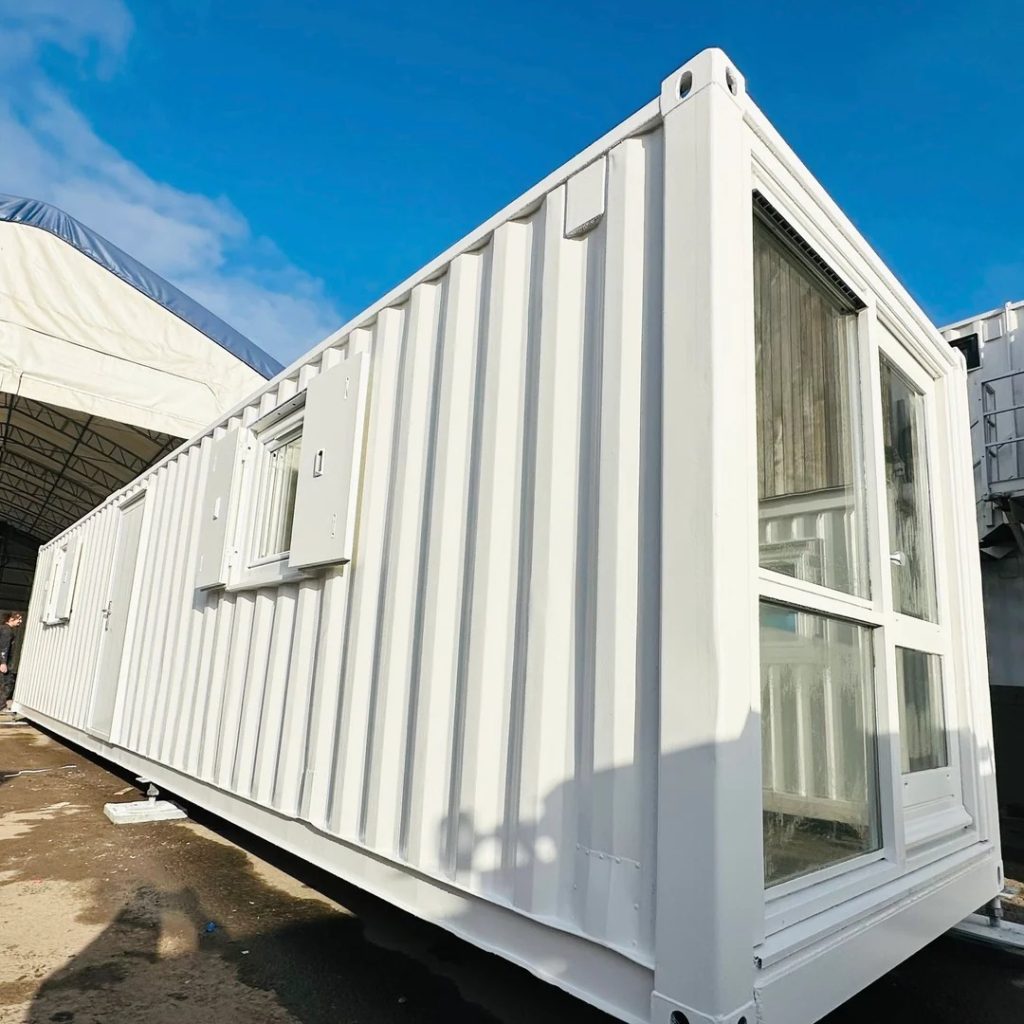
| Modified Container (Living/Office) | Tiny‑home, pop‑up office | Steel frame + interior finishes (drywall, flooring) | $8,000 – $20,000+ |
* Prices vary by region, condition (new vs. used), and optional accessories (e.g., windows, shelving).
Quick Decision Checklist
- Do you need climate control? → Go for insulated or cold‑storage options.
- Is mobility a priority? → Look for containers with built‑in rollers or a lift‑gate.
- Do aesthetics matter? → Wooden or resin‑panel sheds blend better in residential yards.
- What’s your budget ceiling? → Set a max price now; the table above will help you filter.
3. Sizing It Right: No More “Too Small” or “Way Too Big”
Understanding volume is easier when you think in cubic feet. Here’s a quick conversion cheat sheet:
| Container | Internal Dimensions (L×W×H) | Approx. Cubic Feet |
|---|---|---|
| 4‑ft Mini | 4′ × 8′ × 8′ | 256 ft³ |
| 8‑ft Mini | 8′ × 8′ × 8′ | 512 ft³ |
| 20‑ft Shipping | 20′ × 8′ × 8′ | 1,280 ft³ |
| 40‑ft Shipping | 40′ × 8′ × 8′ | 2,560 ft³ |
How to calculate your needs in 3 easy steps:
- Make an inventory list. Write down each item you plan to store, noting its approximate dimensions (length × width × height).
- Add a 10‑15% buffer. Boxes, pallets, and gaps between items take up space.
- Match to a container size. Use the table above to see which container comfortably accommodates the total cubic footage.
Example:
You have 3 garden chairs (3′ × 2′ × 2′ each) → 3 × 12 = 36 ft³
A lawn mower (4′ × 2′ × 3′) → 24 ft³
Two large storage bins (2′ × 2′ × 3′ each) → 2 × 12 = 24 ft³
Total: 84 ft³ + 15% buffer ≈ 97 ft³
A 4‑ft mini container (256 ft³) gives you plenty of room for future additions.
4. Material Matters: Steel, Aluminum, Wood, or Resin?
| Material | Pros | Cons | Best For |
|---|---|---|---|
| Corten Steel | Extremely durable, rust‑protective patina, excellent security | Heavy, can be pricey | Long‑term outdoor storage, industrial use |
| Galvanized Steel | Corrosion‑resistant, lighter than Corten, affordable | Can dent under impact | General home storage, DIY projects |
| Aluminum | Very lightweight, easy to move, rust‑free | Less sturdy than steel, higher cost per pound | Portable containers, temporary sites |
| Treated Wood | Aesthetic appeal, blends with garden/yard | Requires regular maintenance, vulnerable to termites | Residential sheds, hobby rooms |
| Resin‑filled Panels | UV‑stable, low maintenance, good insulation | May warp under extreme temperature shifts | Eco‑friendly yards, premium look |
Pro tip: If you live in a high‑humidity zone (e.g., coastal area), prioritize galvanized steel or resin‑filled panels to avoid rust and warping.
5. Cost Breakdown: What Are You Really Paying For?
Below is a typical cost structure for a new 20‑ft steel shipping container (prices are average U.S. market rates in 2025):
| Cost Component | Approx. Amount | What It Covers |
|---|---|---|
| Base Unit | $2,200 | Steel shell, doors, lock set |
| Delivery & Placement | $250 – $500 | Truck transport, crane lift (if needed) |
| Optional Accessories | $150 – $800 | Windows, ventilation fans, shelving, ramp |
| Permits (if required) | $0 – $200 | Local zoning or HOA approvals |
| Insurance (annual) | $100 – $250 | Coverage against damage or theft |
| Total First‑Year Cost | $2,700 – $4,050 | All-inclusive start‑up expense |
If you opt for a used container, you can shave up to 30‑40% off the base unit price, but always inspect for rust, dents, and door alignment before buying.
6. Where to Buy: Retail, Online, or Direct From a Supplier?
- Local Container Yards – Great for inspecting the unit in person; many offer same‑day delivery.
- Big‑Box Home Improvement Stores – Typically stock portable mini‑containers and sheds, often with financing options.
- Specialty Online Retailers (e.g., ContainerSupply.com, PODS) – Offer a wide selection, detailed specs, and sometimes custom modifications.
- Marketplace Platforms (e.g., eBay, Craigslist) – Good for bargains, but require extra caution and a thorough inspection checklist.
Checklist for a safe purchase:
- Verify the seller’s reputation (reviews, BBB rating).
- Ask for photos of the actual unit, not just stock images.
- Request a delivery window and confirm who will handle the placement (you or a third‑party crew).
- Ensure return or warranty policy is clearly stated.
7. Tips to Protect Your Investment (After the Purchase)
| Action | Why It Matters |
|---|---|
| Apply a rust‑inhibitor spray (steel only) | Extends life by preventing corrosion, especially in humid climates. |
| Install a dehumidifier or silica packs | Keeps interior moisture low, protecting electronics and paper goods. |
| Add a ground tarp or pallet base | Prevents direct contact with damp ground, reducing rust risk. |
| Secure with a high‑grade lock | Deters theft; consider a padlock with a hardened steel shackle. |
| Regularly inspect seals & hinges | Early detection of wear saves costly repairs later. |
| Use modular shelving | Maximizes vertical space and keeps items organized. |
8. Frequently Asked Questions (FAQ)
Q1: Do I need a permit to place a container on my property?
A: It depends on local zoning laws and HOA rules. In most U.S. municipalities, a container under 10′×10′ may be considered an accessory structure and not require a permit, but larger units often do. Always check with your city’s building department first.
Q2: Can I customize the interior (e.g., add shelves or lighting)?
A: Absolutely! Most sellers offer optional accessories such as wall-mounted shelving, interior LED strips, and even power outlets. If you’re buying a used container, you can retrofit it yourself or hire a local contractor.
Q3: How long does delivery typically take?
A: For standard new containers, expect 1‑2 weeks from order placement, including manufacturing and shipping. Used units from local yards can be delivered within 2‑5 business days.
Q4: What’s the best way to secure a container against theft?
A: Use a high‑security lock (e.g., a hardened steel padlock), reinforce door hinges with security plates, and consider a small alarm system or motion‑sensor lights around the unit.
Q5: Are there environmentally‑friendly container options?
A: Yes—look for containers made from recycled steel, or those with resin‑filled panels that use reclaimed plastics. Some manufacturers also offer carbon‑neutral shipping.
Q6: How do I protect items from temperature extremes?
A: For climate‑sensitive goods, choose an insulated or refrigerated container, add a ventilation system, and place heat‑reflective blankets or foam board on interior walls.
Q7: Can I stack containers on top of each other?
A: When properly engineered, yes. Most shipping containers are designed to bear the weight of another container stacked on top, but only if they’re placed on a solid, level foundation and secured with twist‑locks.
9. Your Action Plan – From Browsing to Unpacking
- Define Your Needs – Write down what you’ll store, how often you’ll access it, and any climate requirements.
- Pick a Size – Use the cubic‑foot calculator above to narrow down 4‑ft, 8‑ft, 20‑ft, or 40‑ft options.
- Choose Material – Decide between steel, aluminum, wood, or resin based on local weather and aesthetics.
- Set a Budget – Include base price, delivery, accessories, and optional insurance.
- Research Sellers – Compare at least three sources (local yard, big‑box, online) using the checklist.
- Inspect & Negotiate – Verify condition, ask about warranties, and see if you can bundle accessories for a discount.
- Schedule Delivery – Confirm site access, ground preparation, and who will place the container.
- Prep the Interior – Install shelving, add a dehumidifier, and lock up securely.
- Enjoy the Extra Space! – Move in gradually, keep a tidy inventory, and you’ll never wonder “where does that go?” again.
10. Final Thoughts
Choosing a storage container doesn’t have to be a daunting chore. By breaking the process into clear steps—understanding why you need one, what size and material suit your situation, and how to protect and organize it—you’ll walk away with a sturdy, secure space that grows with your life’s demands.
Remember, the best container is the one that feels like a natural extension of your home or workspace: sturdy enough to guard your belongings, spacious enough to keep them organized, and affordable enough to make sense for your budget.
Go ahead—measure, compare, and click “Add to Cart” (or drive down to your local yard). Your extra square footage is just a container away!
Happy storing! 🚚📦