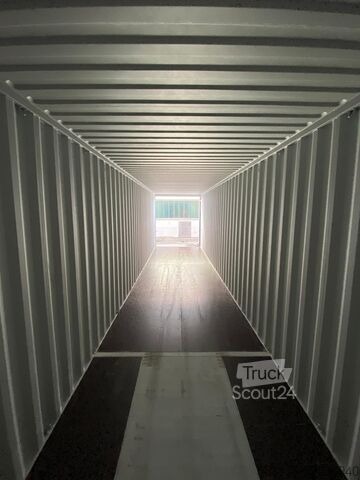
Thinking About Buying a Storage Container? Your Complete Guide to Choosing the Right One
When you need extra space for tools, seasonal gear, a home‑based inventory, or even a small workshop, a storage container can be a game‑changer. But the market is flooded with options—different sizes, materials, lock systems, and price points—so it’s easy to feel overwhelmed. This guide walks you through every decision you’ll face, from “Do I really need a container?” to “How do I keep it secure once it’s on my property?” All the information is presented in a clear, second‑person voice so you can picture yourself making each choice with confidence.
1. Why You Might Want a Storage Container
| Reason | Typical Use‑Case | Benefits |
|---|---|---|
| Home Organization | Storing holiday décor, sports equipment, or extra furniture | Keeps clutter out of living spaces, protects items from dust and pests |
| Business Inventory | Spare parts, seasonal stock, tools | Low‑cost off‑site warehouse, easy to add or remove items |
| Construction Site | Heavy machinery, building materials, safety gear | Durable, weather‑proof, transportable |
| Mobile Office/Workshop | Laptop, paperwork, small tools | Turns a container into a ready‑made workroom with minimal renovation |
| Emergency Preparedness | Food, water, first‑aid kits | Secure, sealed environment for long‑term storage |
If any of these scenarios sound familiar, a storage container could be the practical solution you’ve been looking for.
2. The Main Types of Containers
| Type | Material | Load Capacity | Typical Price (USD) | Best For |
|---|---|---|---|---|
| Standard Steel (ISO) Container | 14‑gauge Corten steel, corrugated walls | Up to 30,000 lb (gross) | $2,000‑$4,500 (20‑ft) | General storage, construction sites |
| Marine‑Grade Steel | 12‑gauge galvanized steel, extra coating | Similar to standard steel | $2,500‑$5,000 (20‑ft) | Coastal locations, high humidity |
| Aluminum Container | 0.04‑inch alloy, lightweight | Up to 20,000 lb | $3,500‑$7,000 (20‑ft) | Mobile offices, easy transport |
| Thermal‑Insulated Container | Steel shell + polyurethane foam | Same as steel, plus temp control | $4,500‑$9,000 (20‑ft) | Food storage, climate‑sensitive items |
| Modified/Custom Container | Steel + interior finishes (drywall, shelving) | Depends on modifications | $6,000‑$15,000 (20‑ft) | Pop‑up shops, tiny homes, specialized workshops |
Key Takeaway: The material you choose influences durability, weight, and cost. Steel remains the most popular for sheer strength and affordability, while aluminum shines when you need a lighter load and easier relocation.
3. Size Matters – Picking the Right Dimensions
Containers come in a handful of standard lengths, but width and height are usually fixed (8 ft wide, 8.5 ft high). Here’s a quick size cheat sheet:
| Size | Interior Volume | Approx. Floor Space | Typical Load | Ideal Use |
|---|---|---|---|---|
| 10 ft | 560 cu ft | 64 sq ft | ~10,000 lb | Small garden tools, bike storage |
| 20 ft | 1,170 cu ft | 128 sq ft | ~20,000 lb | Household items, small business inventory |
| 40 ft | 2,390 cu ft | 256 sq ft | ~30,000 lb | Large equipment, vehicle parts, mobile office |
| 45 ft High‑Cube | 2,700 cu ft | 256 sq ft (taller) | ~30,000 lb | More vertical space for shelving, tall items |
When deciding, imagine the biggest item you’ll store first. Do you need to fit a lawn mower? A 10‑ft unit may be enough. Planning a small workshop with a workbench and tool cabinets? A 20‑ft container usually provides the sweet spot of floor space and maneuverability.
4. Essential Features to Look For
- Locking System – Choose a high‑security lock (ISO‑rated padlock, cam lock, or electronic keypad). Some suppliers offer dual‑locking plates for added protection.
- Ventilation – Passive vents prevent moisture buildup, which can cause rust or mold. Look for containers with built‑in louvered vents or consider adding a small dehumidifier.
- Flooring – A reinforced plywood or steel floor resists dents from heavy pallets. If you’ll place the container on uneven ground, a raised floor kit can keep the interior dry.
- Doors – Double‑door units give easier access for large items; single‑door units are cheaper but may limit entry angle.
- Insulation – If you store temperature‑sensitive goods, insulated containers with a R‑value of 20+ are worth the extra cost.
- Customization Options – Shelving, electrical wiring, LED lighting, or even a small HVAC unit can transform a plain container into a functional workspace.
5. How to Evaluate Cost
| Cost Component | What It Covers | Typical Range |
|---|---|---|
| Base Container Price | Steel/aluminum shell, doors, basic lock | $2,000‑$5,000 (20‑ft) |
| Delivery & Placement | Trucking distance, crane rental, site prep | $300‑$2,000 |
| Customization | Shelving, electrical, insulation | $500‑$6,000 |
| Security Add‑Ons | High‑security locks, alarm system | $150‑$800 |
| Maintenance | Paint touch‑up, rust treatment (annual) | $100‑$400 per year |
A common mistake is to compare only the base price. Always add the expected delivery cost (especially if your property is far from the supplier) and any optional upgrades you know you’ll need.
6. Where to Buy – A Quick Checklist
- Local Container Dealers – Often provide on‑site inspection, quicker delivery, and local support.
- National Chains (e.g., Container Store, U‑Haul, PODS) – Transparent pricing, online configurators, but may charge higher freight fees.
- Online Marketplaces (e.g., eBay, Amazon, Craigslist) – Good for used containers at a discount, but risk of hidden damage.
- Specialized Manufacturers – Best for custom builds, insulated or climate‑controlled units.
Tip: Request a “photographic inspection” of any used container. Look for rust on seams, dented corners, and the condition of door hinges.
7. Step‑by‑Step Buying Process
- Define Your Purpose – Write down the top three items you’ll store and any special requirements (temperature control, power outlets).
- Measure the Space – Ensure you have enough room for the container footprint plus clearance for doors to open.
- Select Size & Material – Use the tables above to narrow down choices.
- Request Quotes – Ask at least three vendors for a full price breakdown (container, delivery, optional upgrades).
- Inspect the Unit – If buying new, verify certifications (ISO 668). If used, check for structural integrity.
- Arrange Delivery – Confirm site access (driveway width, turning radius). Consider a concrete pad or gravel base.
- Secure the Container – Install a high‑security lock, add a motion sensor alarm if needed, and position the unit away from direct sunlight to reduce heat gain.
- Set Up Interior – Install shelving units, attach a floor mat, and run any needed electrical wiring with a licensed electrician.
8. Maintenance & Longevity Tips
- Clean the Exterior Annually – Remove dirt, bird droppings, and salt spray (especially near coasts) to prevent corrosion.
- Lubricate Door Hinges – A few drops of silicone spray keep doors swinging smoothly.
- Check for Water Ingress – After heavy rain, open the door and feel for dampness. If you find any, reseal the gaskets or apply a waterproof coating.
- Inspect the Roof – Look for dents or rust spots. Small repairs can be made with a rust‑inhibiting epoxy.
- Rotate Stored Items – If you store perishable goods, rotate them every six months to avoid expiry.
A well‑maintained container can easily last 20‑30 years, offering a solid return on your investment.
9. Frequently Asked Questions (FAQ)
| Question | Short Answer |
|---|---|
| Do I need a permit to place a storage container on my property? | It varies by city and HOA rules. Most residential zones allow a container up to 20 ft without a permit, but check local zoning ordinances first. |
| Can I stack containers? | Yes, but only if both containers are rated for stacking and placed on a level, reinforced foundation. Stacking adds extra weight to the bottom unit. |
| How far can a container be delivered? | Most vendors ship nationwide, but long‑distance deliveries may incur a mileage surcharge after 500 miles. |
| Is a container insulated enough for food storage? | Standard steel containers are not insulated. For food or temperature‑sensitive items, choose a thermal‑insulated model or add an interior insulation kit. |
| What’s the difference between a “dry container” and a “reefer”? | A dry container has no built‑in cooling system. A “reefer” (refrigerated container) includes a powered refrigeration unit, ideal for perishable goods. |
| Can I install a solar panel on the roof? | Absolutely. Many owners mount a 200‑300 W panel to power interior lighting or a small fan. Ensure the roof is rated for the added weight. |
| How do I protect the container from tornadoes or hurricanes? | Anchor the container to a concrete pad with steel brackets, and use a hurricane‑rated door lock system. For tornadoes, consider a reinforced steel frame. |
| What warranty do suppliers offer? | Most new steel containers come with a 1‑year rust‑free guarantee; some manufacturers extend it to 5 years for structural defects. |
10. Bottom Line – Making the Decision Easy
Buying a storage container isn’t just about picking the biggest box you can find. It’s about matching the container’s size, material, and features to your specific needs while staying within budget. Use the tables to compare price ranges, think through your workflow (where will the container sit, how will you access it), and don’t forget the hidden costs of delivery, site preparation, and security.
By following the step‑by‑step process outlined above, you’ll end up with a storage solution that protects your belongings, adds functional space to your property, and even boosts the resale value of your home or business. So go ahead—measure that driveway, request a few quotes, and make the smart move to a container that works for you.
Ready to start? Grab a notebook, sketch out your storage layout, and let the hunt for the perfect container begin! Happy storing.