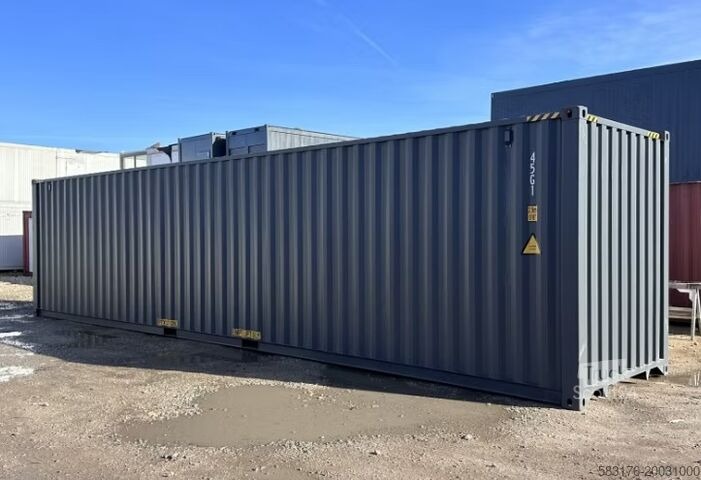
Buying Shipping Containers: The Complete Guide for Your Next Project
If you’ve ever imagined turning a steel box into a workshop, a tiny home, or extra storage, you’re not alone. Shipping containers have become the go‑to solution for entrepreneurs, DIY‑enthusiasts, and even homeowners looking for a versatile, durable space. In this guide you’ll learn exactly what to look for, where to buy, how much it costs, and how to make the most of your container investment—all written in a friendly, second‑person voice.
1. Why Buy a Shipping Container?
| Benefit | What It Means for You | Typical Use Cases |
|---|---|---|
| Durability | Made of C‑type steel, containers survive harsh weather and heavy loads. | Outdoor storage, construction site offices |
| Portability | You can move a container with a crane or flat‑bed truck; many are ISO‑standard, fitting any cargo carrier. | Pop‑up shops, mobile labs |
| Security | Lockable doors, reinforced corners, and optional security systems keep valuables safe. | Equipment storage, cash‑in‑transit vaults |
| Affordability | New containers start around $3,000–$5,000; used units can be under $2,000. | Budget‑friendly office space, hobby workshop |
| Modular Design | Stackable and connectable; you can combine several to create larger structures. | Multi‑unit housing, modular retail spaces |
| Eco‑Friendly | Repurposing reduces waste and the need for new building materials. | Green building projects, sustainable housing |
If any of these points line up with your goals, a shipping container could be the perfect solution.
2. Types & Sizes – Which One Fits Your Vision?
Shipping containers come in a handful of standard dimensions, but the interior height can vary. Below is a quick reference you can use when comparing options.
| Container Type | Exterior Dimensions (L × W × H) | Internal Volume | Common Names | Typical Weight (empty) |
|---|---|---|---|---|
| 20‑foot Dry Container | 20′ × 8′ × 8′6″ | 1,172 cu ft | “Standard 20‑ft” | 4,850 lb |
| 40‑foot Dry Container | 40′ × 8′ × 8′6″ | 2,390 cu ft | “Standard 40‑ft” | 8,200 lb |
| 40‑foot High‑Cube | 40′ × 8′ × 9′6″ | 2,700 cu ft | “HC” | 8,500 lb |
| 45‑foot High‑Cube | 45′ × 8′ × 9′6″ | 3,050 cu ft | “Long HC” | 9,300 lb |
| Reefer (Refrigerated) | Same as dry, but insulated & equipped with a cooling unit | Varies | “Cold‑store” | 9,000‑10,000 lb |
| Open‑Top | Same length/width, roof removed, covered with a tarpaulin | Same as dry | “Open‑deck” | Slightly lighter |
How to decide:
- Measure the space you have. If you’ll place the container on a slab, check clearance for doors and any required setbacks.
- Think about interior height. A high‑cube gives an extra foot of headroom—crucial for standing workspaces or loft conversions.
- Determine load capacity. Heavy equipment (e.g., woodworking tools) may require a higher payload rating.
3. Where to Buy: Online Marketplaces vs. Local Dealers
| Purchase Channel | Pros | Cons | Typical Lead Time |
|---|---|---|---|
| Online Platforms (e.g., eBay, ContainerAuction.com) | Wide selection, price comparison tools, often lower prices | Shipping fees, limited inspection | 1‑4 weeks (delivery) |
| Specialized Container Vendors | Expert advice, warranty options, custom modifications | Higher price, may require minimum order | 2‑6 weeks |
| Local Scrap Yards / Port Authorities | Immediate inspection, possible bargains on damaged units | Variable quality, less guarantee | Same‑day to 1 week |
| Broker Networks (e.g., FreightCenter) | Access to global inventory, assistance with paperwork | Broker commission, possible markup | 2‑8 weeks |
Tip: Request a “condition report” that includes exterior dents, rust, door functionality, and any previous repairs. Even if you buy locally, the report gives you a baseline for negotiation.
4. Understanding the Cost Structure
Below is a sample cost breakdown for a new 40‑foot high‑cube container in the United States (prices may vary by region).
| Item | Approx. Cost (USD) | Notes |
|---|---|---|
| Base container (new) | $4,800 – $5,500 | Includes ISO certification |
| Delivery (up to 50 mi) | $300 – $600 | Flat‑bed trailer, includes loading |
| Permit fees (if needed) | $100 – $500 | Depends on local zoning |
| Modifications (doors, windows) | $1,200 – $2,500 | Varies by design |
| Insulation & interior finish | $1,500 – $4,000 | Spray‑foam, paneling, flooring |
| Electrical/plumbing (optional) | $2,000 – $5,000 | Professional installation required |
| Total (average) | $9,900 – $18,100 |
Budgeting Tips:
- Buy used if you’re comfortable doing some DIY repairs. A well‑maintained 40‑ft dry container can drop to $2,500‑$3,500.
- Combine shipping costs with a neighbor or another buyer heading the same direction to split the freight fee.
- Plan for hidden costs like foundation preparation, site grading, and utility hook‑ups.
5. Step‑by‑Step Checklist: How to Purchase a Shipping Container
- Define Your Purpose – Write a brief description (e.g., “mobile workshop for woodworking”).
- Select Size & Type – Use the table in Section 2 to pick the right dimensions.
- Set a Budget – Include base price, delivery, and any modifications.
- Research Suppliers – Compare at least three sources, request condition reports.
- Inspect the Unit – If possible, visit the site; look for rust, damaged corners, door hinges, and water damage.
- Negotiate Price & Terms – Ask for a discount on bulk orders or free delivery within a certain radius.
- Arrange Financing (if needed) – Many vendors offer lease‑to‑own or financing plans.
- Secure Permits – Check local zoning for “accessory structures” or “temporary storage.”
- Finalize the Purchase Contract – Ensure it includes delivery date, warranty (if any), and return policy.
- Schedule Delivery & Site Prep – Prepare a level pad or concrete slab, clear any obstacles.
- Inspect on Arrival – Verify that the container matches the condition report before signing off.
6. Customization Ideas to Maximize Your Investment
- Insulation: Spray‑foam or rigid board to keep temperature stable.
- Doors & Windows: Add side doors, skylights, or roll‑up windows for natural light and ventilation.
- Interior Layout: Use modular shelving, fold‑down workbenches, or mezzanine decks for extra floor space.
- Exterior Finish: Paint with anti‑corrosion coating, apply graphics for branding, or install a metal cladding system for a sleek look.
- Utilities: Pre‑wire for electricity, run PVC for water lines, or install a solar panel kit on the roof.
Quick List: 5 Must‑Have Features for a Container Office
- LED lighting with dimmer – Energy‑efficient and reduces eye strain.
- Climate control – Mini‑split HVAC or portable units.
- Ergonomic furniture – Adjustable chairs and desks that fit the narrow width.
- Cable management – Grommets and conduit to keep cords tidy.
- Security lock system – Reinforced deadbolts plus a keypad or RFID reader.
7. Maintenance & Longevity: Keep Your Container in Top Shape
- Inspect Quarterly: Look for new rust spots, sealant cracks, and door alignment.
- Clean the Exterior: Wash off salt or grime with mild detergent; rinse thoroughly to prevent corrosion.
- Lubricate Hinges & Locks: Use a silicone‑based spray every 6 months.
- Check Roof Drainage: Clear any debris from the crown and roof vents to avoid water pooling.
- Apply Protective Coating: Repaint or apply a rust‑inhibiting primer every 5–7 years, especially if the container sits in a coastal environment.
8. Frequently Asked Questions (FAQ)
| Question | Answer |
|---|---|
| Can I buy a container without a license? | Yes. Shipping containers are considered personal property. However, if you plan to resell them as a business, a resale license may be required in some states. |
| Do I need a foundation? | Not strictly, but a level, reinforced surface (concrete slab, steel deck, or compacted gravel) prolongs the container’s lifespan and prevents warping. |
| What’s the difference between a “dry” and “reefer” container? | A dry container is an uninsulated, standard box. A reefer is insulated and includes a built‑in refrigeration unit, making it heavier and more expensive. |
| Can I stack containers for a multi‑story building? | Yes, provided the containers are rated for stacking (most are) and you follow engineering guidelines for load distribution and structural reinforcement. |
| How do I handle customs when importing a container? | Work with a freight forwarder or customs broker; you’ll need a Bill of Lading, commercial invoice, and possibly a Importer Security Filing (ISF) for U.S. ports. |
| Is it legal to convert a container into a living space? | It can be, but you must meet local building codes, obtain permits, and ensure proper insulation, ventilation, and egress windows. |
| What financing options exist? | Some vendors offer direct financing, while others partner with banks for lease‑to‑own programs. A small business line of credit may also work. |
| Can I get a container with a built‑in office fit‑out? | Yes—many suppliers provide “turnkey” office containers with partitions, wiring, and furniture already installed (at a premium). |
| How do I transport a container across state lines? | Hire a licensed truck or drayage company that can handle the required permits for oversize loads, if applicable. |
| What warranty coverage is typical? | New containers usually come with a 1‑year structural warranty; used containers may have a limited 30‑day warranty from the seller. |
9. Final Thoughts – Making Your Container Purchase a Win
Buying a shipping container isn’t just a transaction; it’s the first step toward a flexible, cost‑effective solution that can grow with your needs. By defining your purpose, choosing the right size, researching reputable sellers, and budgeting for customization and maintenance, you’ll avoid common pitfalls and unlock the full potential of that steel box.
Remember, the container you purchase today could become tomorrow’s workshop, pop‑up shop, or sustainable tiny home. With the knowledge in this guide, you’re ready to make an informed decision and start building—literally—from the ground up.
Ready to start? Click on a trusted supplier, request a condition report, and take the first step toward turning a simple container into the space of your dreams. Happy building!