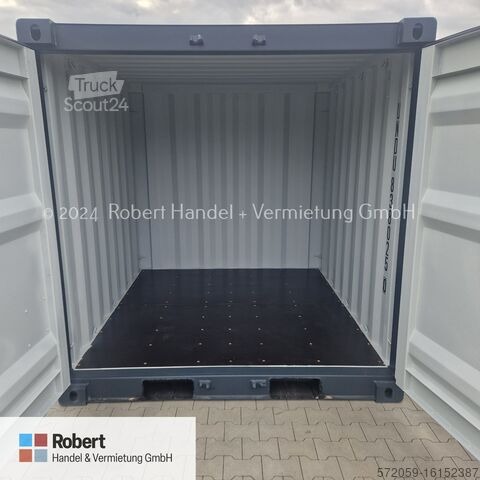
Buying Shipping Containers: A Complete Guide for First‑Timers and Seasoned Buyers
If you’re reading this, you’ve probably heard the phrase “shipping container” tossed around in conversations about pop‑up shops, backyard studios, or even affordable housing. The truth is, these steel boxes have become a versatile, cost‑effective solution for a surprisingly wide range of needs. But before you sign a contract and schedule a delivery, there are a handful of crucial questions you should answer. This guide walks you through every step of the buying process—what to look for, where to shop, how much it costs, and how to avoid common pitfalls—so you can make a confident, informed purchase.
1. Why Buy a Shipping Container?
| Benefit | How It Helps You |
|---|---|
| Affordability | New 20‑ft containers often start at $2,000–$3,500, a fraction of the cost of a traditional building. |
| Durability | Made of Corten steel, containers resist corrosion, impact, and extreme weather. |
| Mobility | Once delivered, they can be lifted by a crane and moved to a new site with relative ease. |
| Modularity | Stack or connect multiple units to create larger spaces—perfect for expanding businesses. |
| Quick Set‑up | A container can be ready for use within days, not months, once you have a site and utilities. |
| Customizable | You can add doors, windows, insulation, HVAC, and interior finishes to suit any application. |
If any of those points line up with your project—whether you need a secure storage unit, a portable office, a tiny home, or a pop‑up café—then buying a container is worth serious consideration.
2. Types of Shipping Containers
| Container Size | External Dimensions (L×W×H) | Typical Internal Volume | Common Uses |
|---|---|---|---|
| 20‑ft Standard | 20’ × 8’ × 8’ 6″ | 33 m³ | Small retail units, workshops, tool storage |
| 40‑ft Standard | 40’ × 8’ × 8’ 6″ | 67 m³ | Larger offices, classrooms, modular homes |
| 40‑ft High Cube | 40’ × 8’ × 9’ 6″ | 76 m³ | Extra‑tall interiors for lofts, vehicle garages |
| 45‑ft High Cube | 45’ × 8’ × 9’ 6″ | 85 m³ | Industrial labs, large‑scale storage, container farms |
| Open‑Top | Same as standard but no roof | Same as standard | Heavy machinery, bulk material transport |
| Flat‑Rack | Collapsible sides, frames on ends | Variable | Oversized cargo (pipes, steel beams) |
| Reefer (Refrigerated) | Same as standard with insulated walls & cooling unit | Same as standard | Cold‑storage, food trucks, medical supplies |
Tip: For most DIY and commercial projects, a 20‑ft standard or 40‑ft high‑cube will provide the best balance of price, space, and ease of handling.
3. What to Look for Before You Buy
3.1 Condition
- New (“One‑trip”) – Never used, only transported once. Most expensive but pristine.
- Rented/Used – Previously leased, usually in good shape. Look for dents, rust, or water damage.
- Damaged – May have structural issues; can be cheap but often require costly repairs.
3.2 Certification & Standards
- ISO 668 – International standards for size and strength.
- CSC Plate – The Safety Certificate of Construction plate (a metal tag with a unique ID) proves the container meets safety standards and is still in serviceable condition.
3.3 Structural Integrity
- Check for twist or bow in the frame.
- Inspect the corner castings (the four strong points used to lift the container). Cracks here compromise lifting safety.
3.4 Interior Condition
- Look for water stains or mold—signs of leaking roofs or doors.
- Ensure there are no pests or insect infestations, especially in used containers stored outdoors.
3.5 Modifications & Compliance
- If a container has been cut for windows, doors, or a side opening, verify that the modifications were performed by a qualified fabricator and that the structural reinforcements meet local building codes.
4. Where to Buy a Shipping Container
| Source | Pros | Cons | Typical Price Range (US) |
|---|---|---|---|
| Direct from Shipping Lines | New, one‑trip containers; reliable quality | Limited inventory, higher price | $3,500–$5,500 (20‑ft) |
| Specialized Container Dealers | Wide selection of new, used, and customized units; can arrange delivery | Variable quality on used stock | $2,200–$4,200 (20‑ft) |
| Online Marketplaces (e.g., eBay, Craigslist, Facebook Marketplace) | Cheapest options; quick purchase | No guarantees; risk of hidden damage | $1,500–$3,000 (20‑ft) |
| Auctions & Salvage Yards | Great for damaged containers you can refurbish | Requires more effort and potentially higher refurbishment costs | $800–$2,000 (20‑ft) |
| Local Steel Fabricators | Can build custom modifications on site | May be more expensive for small orders | $2,800–$5,000 (20‑ft) |
Pro tip: Always ask for the container’s ID number (found on the CSC plate) and run it through the Container Management System (CMS) to verify its history, ownership, and any prior incidents.
5. Costs Beyond the Purchase Price
| Cost Item | Typical Range | Notes |
|---|---|---|
| Delivery & Lifting | $150–$500 per mile (local), $2,000–$5,000 (long‑haul) | Depends on distance, crane rental, and site accessibility. |
| Foundation/Pad | $500–$3,000 | Concrete slab, steel deck, or timber sleepers. |
| Permits & Zoning | $100–$1,200 | Varies by municipality; some require a building permit for a permanent structure. |
| Insulation & Interior Finish | $1,500–$8,000 | Spray foam, paneling, drywall, flooring. |
| Electrical & Plumbing | $2,000–$10,000 | Includes wiring, lighting, outlets, and any water lines. |
| HVAC/Ventilation | $1,000–$5,000 | Essential for habitable spaces. |
| Customization (Doors, Windows, Roof Racks) | $500–$4,500 | Depends on size and material. |
| Insurance | $200–$1,000 per year | Covers theft, fire, and accidental damage. |
When you create a budget spreadsheet, be sure to add a contingency line (10‑15% of total) for unexpected repairs or upgrades.
6. Step‑by‑Step Buying Checklist
- Define the purpose (storage, office, home, etc.).
- Choose the size & type that meets your space and height requirements.
- Set a budget, including all ancillary costs.
- Research local regulations and obtain any required permits.
- Locate reputable sellers and request the container’s CSC number.
- Inspect the container (or arrange a third‑party inspection).
- Negotiate price and ask about warranty or return policies.
- Arrange delivery logistics (crane, transport, site prep).
- Plan for foundation and site preparation.
- Finalize customization (doors, insulation, electrical).
- Sign the purchase agreement and schedule delivery.
- Inspect the container on arrival for transport damage.
- Complete interior build‑out and obtain final inspections if needed.
Crossing each item off the list will keep the process smooth and help you avoid costly surprises.
7. Financing & Ownership Options
| Option | Advantages | Disadvantages |
|---|---|---|
| Cash Purchase | No interest, immediate ownership, simple paperwork. | Large upfront capital required. |
| Equipment Lease | Lower monthly payments; lease‑to‑own options available. | You never own the container until you exercise a purchase option; total cost may be higher. |
| Bank Loan | Spreads cost over 3–7 years; interest may be tax‑deductible for business use. | Requires credit check, collateral, and may involve paperwork. |
| Seller Financing | Flexible terms, often quicker approval. | Higher interest rates; depends on seller’s willingness. |
| Crowdfunding / Community Investment | Good for community projects (e.g., pop‑up library). | Requires marketing effort; may involve profit sharing. |
When you’re buying for a business, treat the container as a capital asset on your balance sheet. That way you can take advantage of depreciation deductions under IRS Section 179 (or the equivalent in your jurisdiction).
8. Common Mistakes & How to Avoid Them
| Mistake | Potential Impact | How to Prevent |
|---|---|---|
| Buying without inspecting | Hidden rust, structural cracks, water damage. | Always request a physical inspection or hire a third‑party surveyor. |
| Ignoring local zoning | Fines, forced removal, or denied permits. | Check city or county regulations before purchase. |
| Underestimating delivery costs | Budget overruns, delayed project start. | Get multiple quotes from transport companies and factor in site access. |
| Skipping foundation work | Container settles, warps, or becomes unstable. | Build a proper slab or steel deck; follow engineering guidelines. |
| Using cheap, non‑certified modifications | Compromised structural integrity, safety hazards. | Hire certified fabricators and ensure all cuts are reinforced. |
| Neglecting insulation | Extreme interior temperatures, condensation, high energy bills. | Choose spray‑foam or panel insulation suitable for your climate. |
| Forgetting insurance | Loss of asset in case of fire, theft, or accidents. | Obtain a comprehensive policy covering transport and on‑site risks. |
9. Frequently Asked Questions (FAQ)
Q1: How long does a shipping container last?
Answer: A well‑maintained steel container can last 20–30 years before major corrosion becomes an issue. Proper sealing, regular cleaning, and a rust‑inhibiting paint coat extend its life.
Q2: Can I stack containers on my property?
Answer: Yes, if the foundation is engineered for the load. Standard 20‑ft containers can support about 2,500 kg on top of them, but you should consult a structural engineer before stacking more than one unit.
Q3: Do I need a building permit for a container home?
Answer: In most jurisdictions, yes. Even if you consider it a “temporary” structure, local building codes often require a permit for habitable spaces. Check with your city’s planning department.
Q4: What’s the difference between a “high‑cube” and a standard container?
Answer: High‑cube containers are 1 ft taller (9’ 6” vs. 8’ 6”). This extra height is valuable for loft spaces, taller equipment, or a more open interior feel.
Q5: How do I secure a container against theft?
Answer: Install a high‑security lock on the doors, consider a reinforced steel door, and add a surveillance system or alarm. Some owners bolt the container to a concrete slab for extra deterrence.
Q6: Is it possible to rent a container instead of buying?
Answer: Absolutely. Many container leasing companies offer short‑term rentals (30‑day minimum) with options to purchase later. This is ideal for temporary events or pilot projects.
Q7: Can I paint the exterior of a container?
Answer: Yes, but use marine‑grade or epoxy paint designed for steel. Apply a rust‑inhibitor primer first to ensure long‑lasting protection.
Q8: What are the environmental benefits of using a shipping container?
Answer: Repurposing a container diverts steel from the waste stream, reduces the need for new construction materials, and often results in a smaller carbon footprint compared to building from scratch.
10. Final Thoughts
Purchasing a shipping container can be an incredibly rewarding venture—whether you’re looking to expand your business, create a unique living space, or simply need a secure place to store equipment. By treating the container as a real estate asset rather than a mere metal box, you’ll be better positioned to evaluate its true value, plan for customization, and navigate regulatory requirements.
Remember: research, inspect, and budget are the three pillars of a successful purchase. Use the checklist, compare prices in the tables above, and don’t shy away from asking the seller for the container’s CSC plate number. With the right preparation, your container will go from a simple steel shell to a functional, durable solution that serves you for years to come.
Happy buying, and may your next project be built on a solid (literally) foundation!