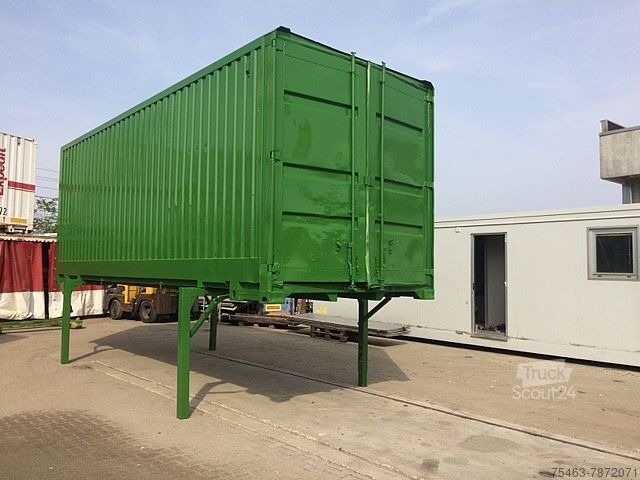
The Complete Guide to Cargo Containers: What You Need to Know Before You Buy, Rent, or Repurpose
If you’ve ever watched a massive container ship glide across the ocean or seen a row of steel boxes stacked like Lego bricks at a port, you’ve already encountered the humble cargo container. Though they may look simple, these metal cuboids are the backbone of global trade, the unsung heroes of supply‑chain efficiency, and—thanks to a wave of creative thinking—an increasingly popular building block for everything from pop‑up cafés to data‑center modules.
In this guide you’ll discover everything you need to know about cargo containers, from the basic types and dimensions to the rules that keep them safe, the options for acquiring them, and the surprising ways they can be repurposed. By the end, you’ll be equipped to make an informed decision—whether you’re a logistics manager, a small‑business owner, or a DIY enthusiast looking to turn a shipping container into a dream studio.
1. A Quick History: How the Modern Container Came to Be
| Year | Milestone | Why It Matters |
|---|---|---|
| 1956 | Malcolm McLean patents the first intermodal container | Standardized size made loading/unloading dramatically faster. |
| 1961 | First container ship (Ideal X) sails | Demonstrated that containers could travel by sea, rail, and road. |
| 1970s | ISO 668 and ISO 6346 are adopted | Created universal dimensions and identification codes still used today. |
| 1990s | Containerization reaches 90% of world trade volume | Shows the sheer scale of reliance on containers. |
| 2010s | Smart containers with IoT sensors appear | Opens a new era of real‑time tracking and condition monitoring. |
The key takeaway? Standardization—a set of globally accepted dimensions, markings, and handling procedures—has turned a simple steel box into the most efficient freight unit on the planet. When you choose a container, you’re buying into a system that’s been refined for over half a century.
2. Types of Cargo Containers: Which One Fits Your Need?
Below is the most common set of ISO‑standard containers you’ll encounter. Each has a unique three‑letter code (the “type”), a typical external size, and a primary use‑case.
| Type | External Dimensions (L × W × H) | Typical Internal Capacity | Primary Use |
|---|---|---|---|
| 20′ Standard (20GP) | 20 ft × 8 ft × 8 ft 2 in | ~33 m³ (1,170 ft³) | General cargo, pallets |
| 40′ Standard (40GP) | 40 ft × 8 ft × 8 ft 2 in | ~67 m³ (2,350 ft³) | High‑volume dry goods |
| 40′ High Cube (40HC) | 40 ft × 8 ft × 9 ft 6 in | ~76 m³ (2,690 ft³) | Bulky items, extra headroom |
| 45′ High Cube (45HC) | 45 ft × 8 ft × 9 ft 6 in | ~86 m³ (3,040 ft³) | Oversized equipment |
| Reefer (40RF) | 40 ft × 8 ft × 8 ft 2 in | ~67 m³ (2,350 ft³) | Temperature‑controlled goods |
| Open‑Top (20OT, 40OT) | Same length as standard, no permanent roof | ~34 m³ (20OT) – 68 m³ (40OT) | Over‑height cargo (e.g., machinery) |
| Flat‑Rack (20FR, 40FR) | Same footprint, collapsible sidewalls | Variable | Heavy, irregularly shaped loads |
| Tank (20T, 40T) | Same length, cylindrical tank inside | ~22 m³ (20T) – 45 m³ (40T) | Liquids, gases, chemicals |
How to pick?
- Volume – Estimate the cubic meters of your load.
- Height – If you need extra headroom, go for a High Cube.
- Temperature – Choose a Reefer for perishables.
- Shape – Open‑Top or Flat‑Rack for oversized items.
- Regulations – Hazardous liquids require a certified tank container.
3. Buying, Renting, or Leasing: Which Model Works Best for You?
| Option | Up‑Front Cost | Flexibility | Ideal For | Typical Contract Length |
|---|---|---|---|---|
| Purchase (New) | $2,500–$4,500 (20′) / $3,500–$6,000 (40′) | Low – you own it outright | Long‑term storage, permanent installations | N/A |
| Purchase (Used) | $1,500–$3,000 (20′) / $2,500–$5,000 (40′) | Low – ownership plus possible wear | Budget‑conscious projects, repurposing | N/A |
| Rent (Short‑Term) | $75–$150 per month (20′) / $120–$250 per month (40′) | High – easy swap or return | Seasonal shipping spikes, temporary site offices | Daily–monthly |
| Lease (Long‑Term) | $300–$500 per month (20′) / $500–$800 per month (40′) | Medium – you return at lease end | Construction sites, long‑haul logistics | 12–60 months |
| Container-as-a‑Service (CaaS) | Pay‑per‑use, often includes monitoring | Very high – includes maintenance & IoT | Tech‑focused firms needing smart tracking | Variable, often subscription‑style |
Key considerations
- Cash flow: Renting spreads cost but can add up over years.
- Depreciation: Purchased containers lose value slowly; useful for asset‑based accounting.
- Maintenance responsibility: Lease and CaaS often include regular inspections.
- Regulatory compliance: If you plan to transport hazardous goods, a newer or certified container may be mandatory.
4. From Shipping to Living: Creative Repurposing Ideas
You might think a cargo container is only for freight, but its robust construction makes it an ideal platform for innovative projects. Here are some popular adaptations:
- Pop‑up retail shops – Quick to install, mobile, and eye‑catching.
- Tiny homes – Insulated, fitted with utilities, and fully legal in many jurisdictions.
- Data‑center modules – Perfectly sealed, can be stacked for scalable cooling.
- Emergency shelters – Fast deployment after natural disasters.
- Agricultural units – Vertical farms or hydroponic labs with controlled environments.
If you’re considering a conversion, remember to check local building codes. Many municipalities require structural reinforcement, fire‑rating, and ventilation before a container can be occupied.
5. Maintenance Checklist: Keep Your Container in Prime Condition
| Frequency | Task | Why It Matters |
|---|---|---|
| Weekly | Visual inspection for dents, rust, or water ingress | Early detection prevents corrosion. |
| Monthly | Check door seals & hinges for wear | Ensures tight closure and weather protection. |
| Quarterly | Test the twist‑lock mechanisms on chassis | Guarantees safe stacking and transport. |
| Annually | Clean interior, apply anti‑rust coating to exterior | Extends service life, especially for used containers. |
| Every 2–3 Years | Conduct a CSC (Convention for Safe Containers) certification inspection if the container is used for international transport | Legally required to maintain the CSC plate. |
Tip: Keep a simple logbook (paper or digital) noting the date, tasks performed, and any anomalies. This record becomes valuable if you ever decide to sell the container.
6. Safety & Regulations: The Rules That Keep Shipping Efficient
- ISO 668 – Defines external dimensions and tolerances.
- ISO 6346 – Provides the identification code (owner, category, serial number).
- CSC Plate – A safety approval mark that must be renewed every five years.
- IMO (International Maritime Organization) SOLAS – Stipulates structural integrity for sea‑borne containers.
- Customs & Import/Export Documentation – Includes the Bill of Lading and Manifest; missing or inaccurate info can cause costly delays.
If you’re planning to transport hazardous materials, you must also comply with IMDG (International Maritime Dangerous Goods) rules, which dictate labeling, segregation, and container construction (e.g., a Type 1 tank container for flammable liquids).
7. Sustainability: How Cargo Containers Contribute to a Greener Supply Chain
- Long lifespan: A steel container can serve 30+ years with proper maintenance.
- Recyclability: At end‑of‑life, steel is 100% recyclable, reducing landfill waste.
- Reduced empty‑run mileage: With container tracking, logistics firms can back‑haul more efficiently, cutting fuel consumption.
- Container‑based modular construction: Using a container as a building block often requires fewer new materials than traditional construction.
If sustainability is a priority, look for containers with eco‑certifications (e.g., ISO 14001 for environmental management) or consider retrofitting used containers rather than buying new ones.
8. Future Trends: Smart Containers and Beyond
- IoT Sensors: Temperature, humidity, shock, and GPS data transmitted in real time to cloud platforms.
- AI‑Driven Route Optimization: Predictive analytics that choose the fastest, most fuel‑efficient paths.
- Blockchain Documentation: Immutable records of container history, ownership, and condition—cutting paperwork and fraud.
- Modular Plug‑and‑Play Interiors: Pre‑fitted racks, shelving, or workstations that snap into place, speeding up conversions.
These advances are already reducing cargo loss, improving supply‑chain transparency, and opening new business models (think “container‑as‑a‑service” subscription plans).
9. Frequently Asked Questions (FAQ)
| Question | Short Answer |
|---|---|
| What is the difference between a 20GP and a 20HC? | The HC (High Cube) version adds 1 ft 4 in of internal height, giving roughly 10% more volume—ideal for bulky yet lightweight cargo. |
| Can I stack a container on top of a building? | Yes, but you must follow local building codes and ensure the structure can support the 2,300 kg (5,100 lb) load of a standard 40′ container. |
| Do used containers come with a CSC plate? | Many do, but verify the expiration date; a CSC plate is valid for 5 years from the last inspection. |
| How do I track a container once it’s on the ship? | Request the container’s booking number (e.g., ABCU1234567) and use the shipping line’s online portal, or opt for a third‑party IoT tracker for more granular data. |
| Is it legal to convert a container into a home in the U.S.? | Regulations vary by state and municipality; generally you’ll need a building permit, fire‑rating, proper insulation, and compliance with zoning laws. |
| What maintenance is required for a refrigerated (reefer) container? | Besides the standard structural checks, refrigerant levels, compressor performance, and temperature sensors must be inspected quarterly. |
| How much does it cost to paint a container for branding? | Expect $250–$500 for professional prep and two‑coat epoxy paint, plus any custom graphics or decals. |
| Are there tax benefits to purchasing a container for business use? | In many jurisdictions, a container qualifies as a capital asset, allowing depreciation deductions over its useful life. Consult a tax professional for specifics. |
10. Bottom Line: Making the Right Choice
When you step into the world of cargo containers, you’re entering a system built on standardization, durability, and global interconnectivity. Whether you need a 40 ft High Cube for a shipment of furniture, a refrigerated unit for perishable produce, or a transformed steel box that becomes your weekend workshop, the options are clear—provided you understand the dimensions, regulations, and acquisition models.
Take these three steps before you act:
- Define the purpose – shipment, storage, or repurposing?
- Match the specs – size, type, and condition to that purpose using the tables above.
- Select the acquisition model – purchase, rent, lease, or CaaS, factoring in cost, flexibility, and maintenance responsibilities.
Armed with this knowledge, you can confidently navigate the container market, keep your assets compliant and safe, and even explore innovative ways to turn a steel box into a functional space that adds value to your business or lifestyle.
Ready to get started? Reach out to a reputable container supplier, request a condition report and CSC certification, and begin planning the next step—whether that’s loading a ship, filling a warehouse, or sketching the floor plan of your future container home. The world’s cargo is moving inside these metal boxes; now it’s your turn to make them work for you.