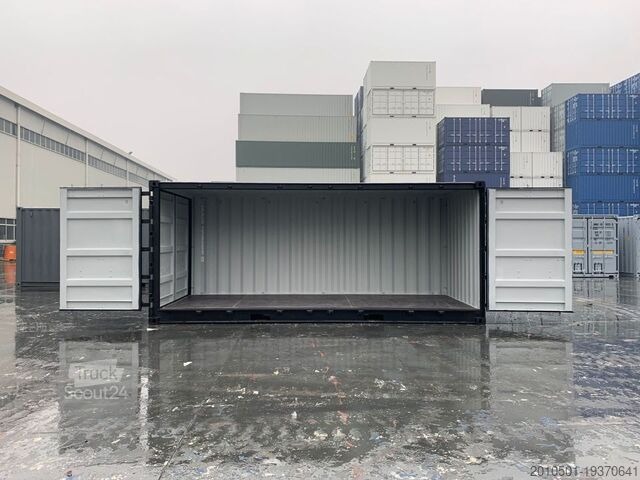
The Complete Guide to Building a Cargo Shipping Container House
If you’ve ever dreamed of a home that’s modern, eco‑friendly, and affordable, a cargo shipping container house might be the answer. These sturdy steel boxes, originally designed to haul goods across oceans, have been repurposed into sleek dwellings that can be customized to fit almost any lifestyle. In this guide, you’ll discover how to turn a container into a comfortable home, what you need to budget for, the legal steps to take, and the design tricks that make these structures feel anything but “boxy.”
1. Why Choose a Shipping‑Container Home?
| Feature | Traditional Stick‑Built Home | Shipping Container Home |
|---|---|---|
| Construction time | 6‑12 months (or more) | 4‑12 weeks |
| Material cost | $120‑$200 per sq ft | $30‑$70 per sq ft (steel) |
| Structural durability | Wood framing prone to rot, termites | Marine‑grade steel, resistant to pests |
| Carbon footprint | High (lumber, cement, waste) | Low (re‑uses existing steel) |
| Flexibility | Limited to foundation footprint | Can be stacked, expanded, relocated |
| Insulation & Energy | Depends on builder | Needs extra insulation but can be highly efficient |
Bottom line: You get a faster build, lower material cost, and a structure that’s built to last—provided you address the unique challenges of working with steel.
2. Understanding the Basics of Container Types
| Container Size | External Dimensions (L × W × H) | Interior Space (sq ft) | Typical Use |
|---|---|---|---|
| 20‑foot (Standard) | 20′ × 8′ × 8′ 6″ | ~115 | Small studios, guest rooms |
| 40‑foot (Standard) | 40′ × 8′ × 8′ 6″ | ~235 | Main living area, two‑bedroom layouts |
| 40‑foot (High‑Cube) | 40′ × 8′ × 9′ 6″ | ~260 | More headroom, better ventilation |
| 45‑foot (High‑Cube) | 45′ × 8′ × 9′ 6″ | ~295 | Larger open‑plan homes |
When planning your home, think first about how many containers you’ll need and how they’ll be arranged (side‑by‑side, stacked, or L‑shaped). The size you choose determines ceiling height, natural light options, and overall floor plan flexibility.
3. Step‑by‑Step Process: From Container to Cozy Home
- Set Your Budget & Goals
- Determine square footage you need. A comfortable 2‑bedroom home can be built with two 40‑ft high‑cube containers (≈520 sq ft).
- Allocate funds for land, permits, foundation, container purchase, modifications, insulation, interior finish, and utilities.
- Secure Land & Check Zoning
- Contact your local municipality to confirm that “accessory dwelling units” or “modular homes” are allowed.
- Verify setbacks, height restrictions, and required foundation types (pier, slab, or crawl‑space).
- Purchase the Containers
- New vs. Used: New containers cost $3,000‑$5,000 each but are spotless; used ones can be $1,500‑$2,500 but may need rust treatment.
- Inspect for damage: Look for dents, holes, or water damage. Ask for a CSC (Container Safety Certificate) if possible.
- Design & Engineering
- Work with an architect familiar with container architecture. They’ll create a structural plan that maintains the container’s load‑bearing walls.
- Decide on cut‑outs for windows, doors, and interior walls—remember that every opening weakens the steel frame, so reinforcement (steel plates or beams) is needed.
- Foundation Installation
- Pier & beam is popular for flat terrain; it allows the container to sit above ground, reducing moisture risk.
- Concrete slab provides a solid base and is easier for plumbing/electrical runs.
- Modifying the Steel Shell
- Cutting openings: Use plasma cutters or oxy‑acetylene torches.
- Reinforcement: Add steel plates or “C‑channel” beams around each opening.
- Rust Prevention: Apply rust‑inhibiting primer, then a durable topcoat on all exposed metal.
- Insulation & Vapor Barrier
- Spray‑foam (closed‑cell) offers high R‑value (R‑22 to R‑30) and acts as a vapor barrier.
- Rigid foam board (polyiso) can be installed inside the walls, then covered with interior drywall.
- Interior framing (2×4 studs) creates space for wiring and finishing.
- Electrical, Plumbing & HVAC
- Electrical: Follow NEC (National Electrical Code) guidelines—install conduit within steel studs or on surface.
- Plumbing: Use PEX tubing for flexibility; route through interior framing.
- HVAC: Mini‑split heat pumps are efficient for small square footage and eliminate ductwork.
- Interior Finishing
- Walls: Drywall, wood paneling, or reclaimed materials.
- Flooring: Engineered hardwood, bamboo, or polished concrete.
- Ceiling: Keep the original steel ceiling for an industrial look, or add a suspended acoustic ceiling for a softer feel.
- Exterior Enhancements
- Cladding: Vinyl siding, wood shiplap, or metal panels can soften the boxy look.
- Roof Extensions: Add a cantilevered overhang for rain protection and extra shade.
- Landscaping: Decks, planters, and pergolas blend the container into a traditional home setting.
- Final Inspection & Certification
- Schedule a building department inspection to verify compliance with structural, fire, electrical, and plumbing codes.
- Obtain a Certificate of Occupancy before moving in.
4. The Real Cost Breakdown
Below is a typical cost estimate for a 2‑bedroom container home (≈520 sq ft) built in the United States. Prices vary by region, but this table provides a useful benchmark.
| Expense Category | Approx. Cost (USD) | % of Total Budget |
|---|---|---|
| Land acquisition | $20,000 – $50,000 | 25‑35% |
| Foundation (pier/slab) | $8,000 – $12,000 | 10‑15% |
| Containers (2 × 40‑ft high‑cube) | $6,000 – $10,000 | 8‑12% |
| Structural modifications (cut‑outs, reinforcement) | $5,000 – $8,000 | 6‑10% |
| Insulation & interior framing | $7,000 – $12,000 | 9‑15% |
| Electrical & plumbing | $8,000 – $12,000 | 10‑15% |
| HVAC (mini‑split) | $3,000 – $5,000 | 4‑6% |
| Interior finishes (drywall, flooring, fixtures) | $10,000 – $20,000 | 12‑25% |
| Exterior cladding & roofing | $5,000 – $9,000 | 6‑12% |
| Permits, design fees, contingency (10 %) | $7,000 – $12,000 | 9‑15% |
| Total (approx.) | $71,000 – $115,000 | 100% |
Tip: Keep a 10‑15 % contingency fund for unexpected issues (e.g., hidden rust, additional reinforcement, or design changes).
5. Sustainability Benefits
- Re‑use of existing steel reduces the demand for new raw materials.
- High energy efficiency when paired with proper insulation and renewable energy (solar panels can be mounted on the roof).
- Reduced construction waste—the container arrives as a single unit, minimizing on‑site debris.
- Long lifespan: Steel frames can last for decades if protected from corrosion.
6. Common Design Tricks to Make a Container Feel Like Home
- Split‑Level Layout – Raise the interior floor by a few inches to create a “loft” space for a bedroom or office.
- Large Glass Panels – Replace a side wall with floor‑to‑ceiling windows; it brings in natural light and visually expands the space.
- Open‑Plan Living – Remove interior walls (while reinforcing the steel) to create a spacious kitchen‑dining‑living area.
- Green Roof – Install a lightweight, vegetated roof system to improve insulation and blend with the landscape.
- Sliding Barn Doors – Save space and reinforce the industrial aesthetic.
- Modular Add‑Ons – Build a secondary container as a garage, workshop, or guest suite that can be detached later if needed.
7. Frequently Asked Questions
Q1: Do I need a special foundation for a container house?
Yes. Because containers are steel, they require a stable, level base to prevent settlement and moisture ingress. Pier‑and‑beam or a concrete slab are the most common solutions, each offering good support and ease of utility routing.
Q2: How do you prevent the container from getting too hot or cold?
Insulation is key. Closed‑cell spray foam is popular for its high R‑value and moisture barrier properties. Adding interior framing allows you to install drywall and finishing touches without compromising thermal performance.
Q3: Are container homes legal everywhere?
No. Zoning ordinances, building codes, and HOA rules vary dramatically. Always check with your local building department before purchasing land or containers. Some municipalities treat container homes as “modular” or “manufactured” units, which may have separate requirements.
Q4: Can I expand my container home later?
Absolutely. One of the biggest advantages is modularity. You can add another container, stack vertically, or attach a timber frame addition—provided you secure the necessary permits and reinforce the existing structure accordingly.
Q5: How long does the entire project take?
From land acquisition to move‑in, a typical 2‑container home can be completed in 4‑8 months. The actual construction (foundation to finishing) often takes 12‑20 weeks, depending on weather, labor availability, and design complexity.
Q6: What are the main drawbacks of a container house?
- Limited width (8 ft) can restrict interior layout.
- Thermal bridging through steel requires careful insulation.
- Potential for rust if the exterior isn’t properly sealed.
- Resale perception—some buyers may be hesitant due to unfamiliarity.
Q7: Do I need a professional engineer for the modifications?
Yes. Cutting large openings compromises the container’s structural integrity. A structural engineer will calculate required reinforcements and ensure compliance with local building codes.
8. Quick Checklist Before You Start
- Land & Zoning Approved
- Budget Set (including contingency)
- Container Size(s) Selected
- Architect & Engineer Engaged
- Permits Applied For
- Foundation Type Decided
- Insulation Strategy Chosen
- Utility Layout Planned
- Interior Finish Materials Picked
- Exterior Cladding & Landscaping Designed
9. Final Thoughts: Is a Shipping‑Container Home Right for You?
If you’re looking for a fast, sustainable, and customizable dwelling, the answer is likely yes. By treating the container as a structural skeleton rather than a finished wall, you unlock endless design possibilities while leveraging the durability of marine‑grade steel. The key to success lies in thorough planning, adherence to local codes, and proper insulation.
When you step into your finished container house—whether you’re sipping coffee under a floor‑to‑ceiling window or enjoying a rooftop garden—you’ll see that a simple steel box can become a modern sanctuary that reflects your personal style and environmental values.
Ready to start the journey? Grab a sketchpad, locate a suitable plot, and begin contacting local architects experienced in container design. The world of modular living is waiting, and your future home could be just a few containers away.
Happy building!